Understanding the Nordic Golf Season
For many golfers considering a trip to the Nordic region, the question of when to play is not as straightforward as it might first appear. At a glance, the answer seems simple. These are northern countries with cold winters, so the golf season must be short and concentrated into the summer months. That is broadly true, but it does not fully capture how golf actually works across Denmark, Sweden, Norway, Finland, and Iceland.
What makes the Nordic region interesting from a golfing perspective is not just the length of the season, but how differently that season behaves depending on where you are. Geography plays a significant role, but so does light. In a part of the world where summer days stretch far beyond what most golfers are used to, the rhythm of the game changes in subtle but important ways. The result is a golfing calendar that is less about fixed dates and more about experience.
Understanding when to play in the Nordics is therefore not just about finding the warmest month. It is about deciding what kind of trip you want to have. Whether that is long, light-filled days in peak summer, quieter rounds at the edges of the season, or something more unusual further north, the timing of a trip shapes the experience more than many visitors expect.
The Nordic Golf Season: A Broad View
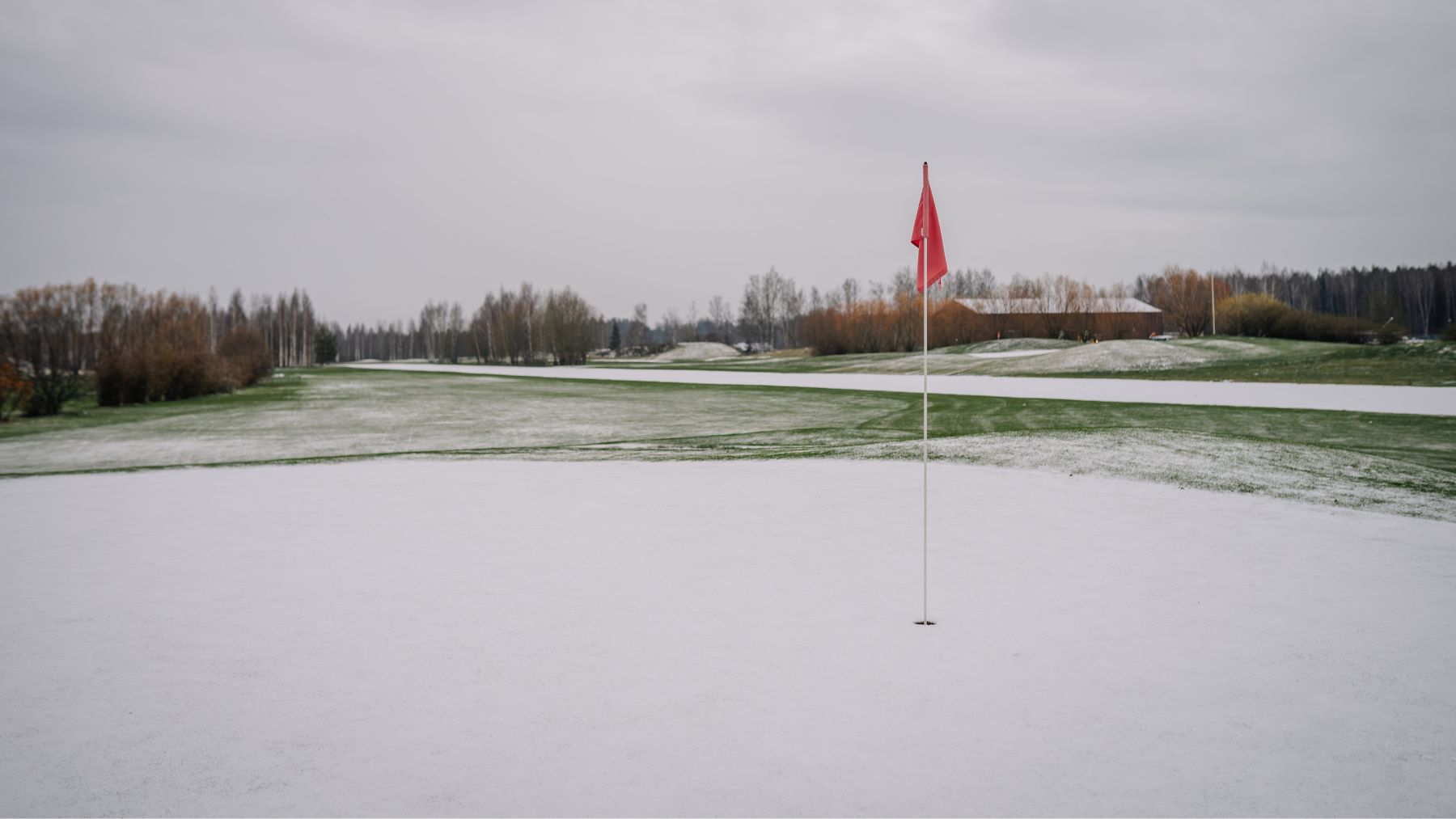
Across the region as a whole, the core golf season runs from May through to September. Within that window, conditions are generally suitable for play, courses are open, and travel is straightforward. Outside of it, winter becomes a defining factor, particularly in Sweden, Norway, and Finland, where snow cover and frozen ground bring the season to a clear end.
That said, the idea of a single “Nordic season” can be slightly misleading. Denmark, for example, has a milder climate and a longer playing window, often stretching into April and October in good years. By contrast, Iceland operates within a much tighter timeframe, with reliable conditions typically concentrated between June and August. Sweden, Norway, and Finland sit somewhere in between, but even within those countries there are regional variations.
For a first trip, it is useful to think of the Nordics as having a shared core season rather than identical conditions. May to September is the baseline. Within that, the experience shifts depending on how far north you travel and what kind of golf you are looking for.
Light: The Factor Most People Underestimate
If there is one element that defines golf in the Nordic region, it is not temperature. It is light.
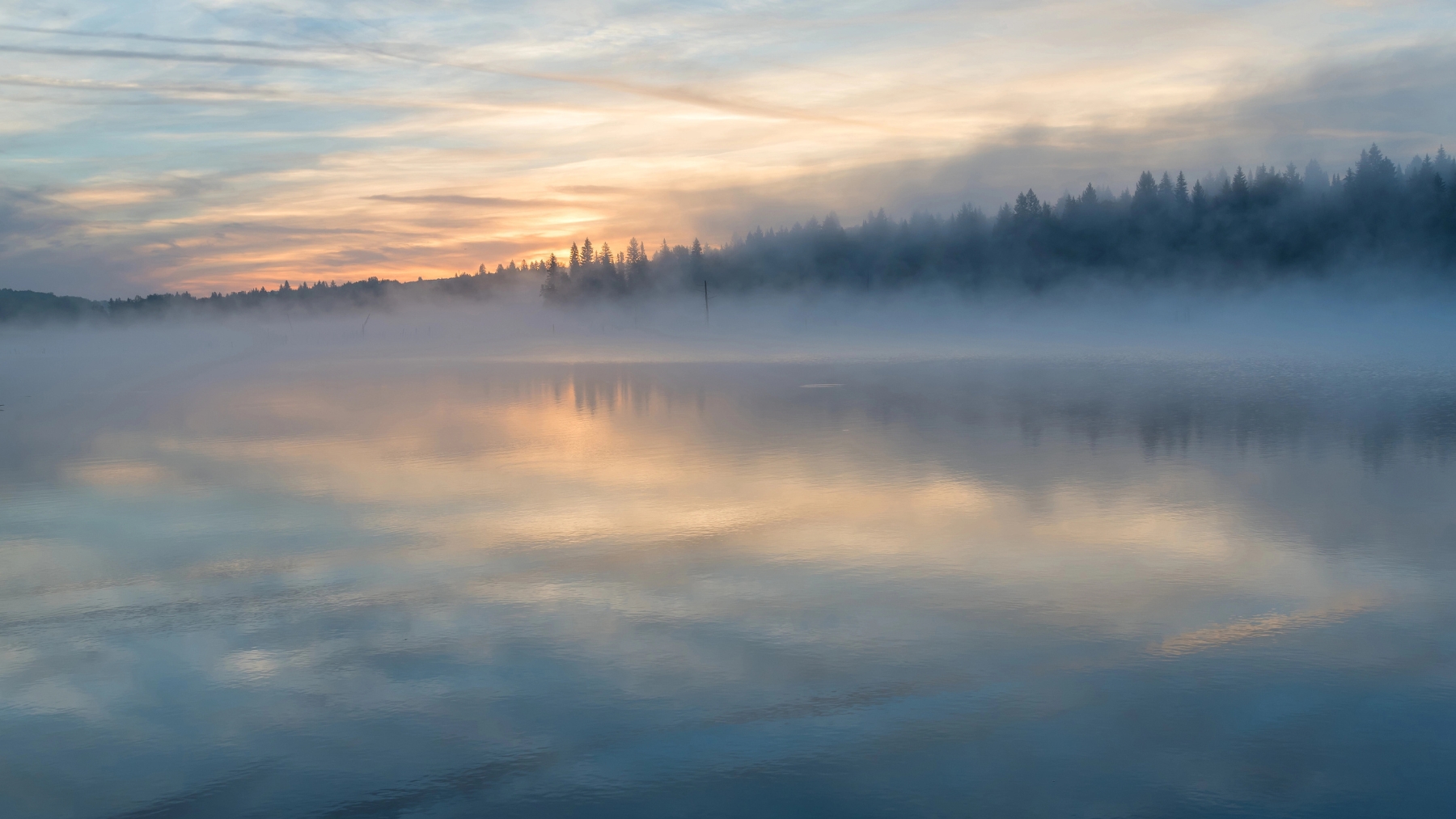
During the summer months, daylight hours extend far beyond what most golfers are used to. Even in southern parts of the region, such as Denmark and southern Sweden, evenings remain bright well into what would normally be considered night. Move further north, and the effect becomes more pronounced. In parts of Norway and Finland, the sun barely sets at all during the height of summer.
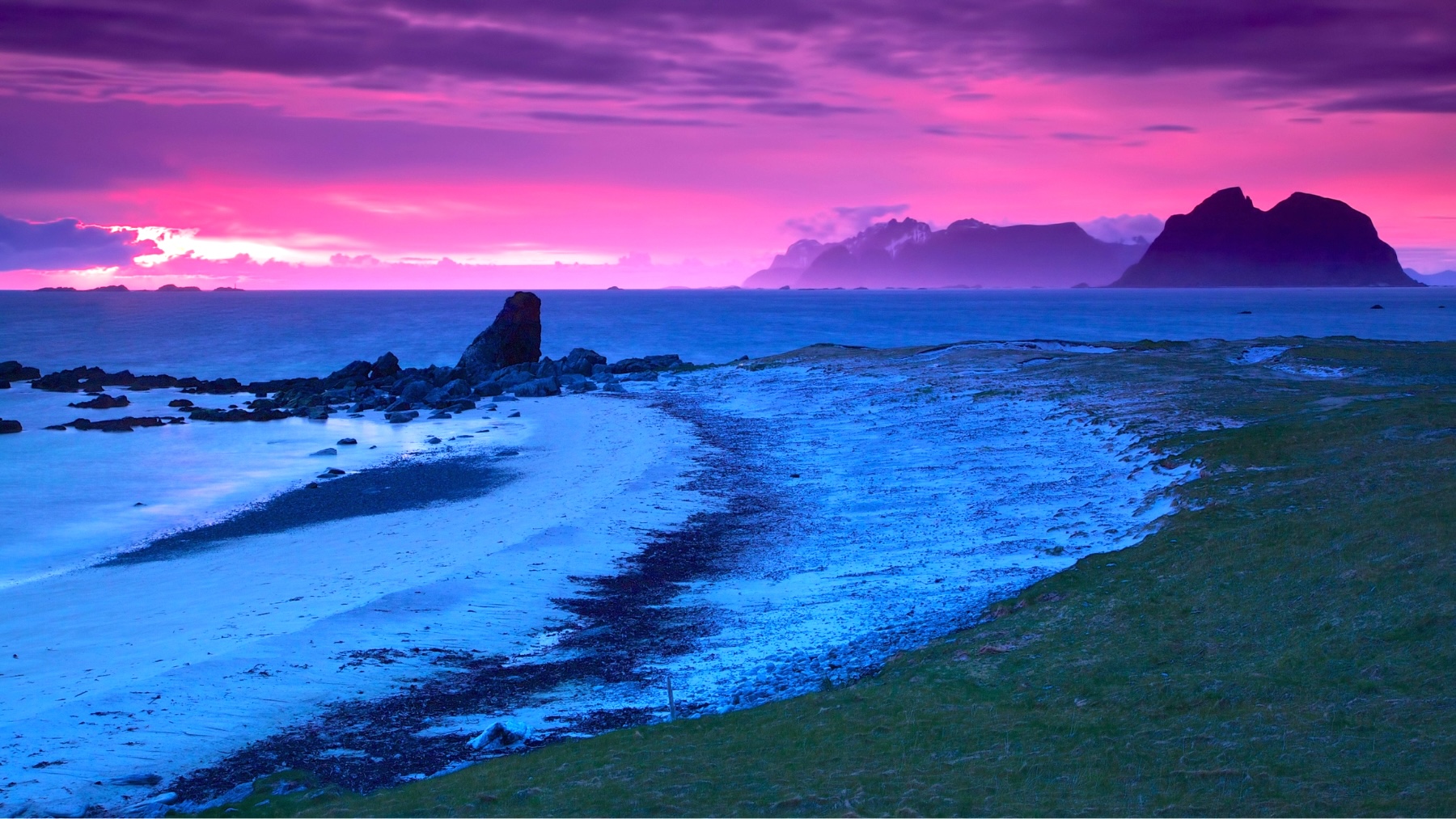
This changes the way golf is played. Tee times are not confined to a narrow window in the middle of the day. A round in the evening feels entirely normal rather than squeezed in. In some locations, particularly in northern Norway, golf can be played at almost any hour, with the concept of a traditional “last tee time” becoming less relevant, something explored further in Chasing Midnight Sun Golf.
The practical benefit is obvious. There is simply more time to play. But there is also a more subtle effect. The pace of the day feels different. Rounds are less rushed, travel between courses feels easier to absorb, and the overall experience becomes more relaxed. For many golfers, this extended light is one of the defining memories of playing in the region.
Spring, Summer, and Early Autumn
Although the season is often described in simple terms, the experience of playing in May is very different from playing in July or September. Each part of the season brings its own character.
In late spring, typically May into early June, the courses are coming fully into life. Fairways and greens begin to recover from winter, and the landscape often feels fresh and open. This can be a very enjoyable time to play, particularly for those who prefer quieter courses and a slightly more understated atmosphere. The trade-off is that conditions can still be variable, especially further north.
Peak summer, from June through August, offers the most reliable experience. Courses are at their best, the weather is generally more stable, and the long daylight hours are at their most noticeable. This is when the region is most accessible and, for many visitors, the easiest time to plan a trip. It is also the period when golf feels most expansive, with the extended light allowing for a more flexible and relaxed approach to the day.
Early autumn, particularly September, is often overlooked but can be one of the most rewarding times to play. The courses are still in good condition, the pace is calmer, and there is a subtle shift in the landscape as summer begins to fade. The days are shorter than in peak summer, but still long enough to allow for comfortable rounds. For golfers willing to accept slightly cooler conditions, this can be an excellent window.
Regional Differences Across the Nordics
While the seasonal pattern is broadly shared, each country offers a slightly different version of it.
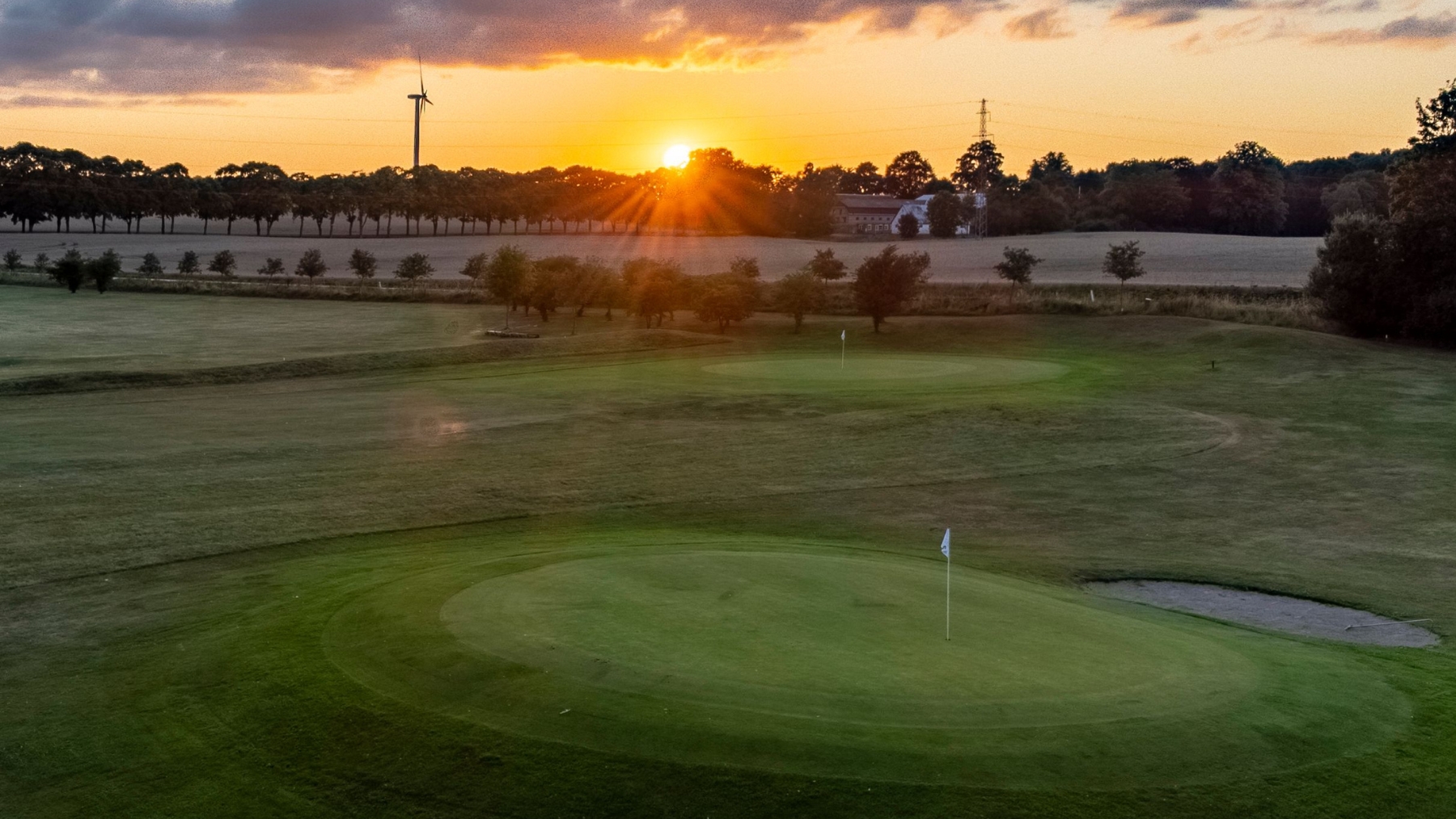
Denmark has the longest and most forgiving season. Its coastal climate means milder temperatures and less extreme variation, allowing golf to begin earlier in the spring and continue later into autumn, as explored in the Golf in Denmark guide. The experience here feels closer to traditional northern European golf, with the added benefit of open landscapes and links-style influences.
Sweden provides the most balanced offering. The season is well defined but generous enough to allow flexibility, particularly in the southern and central regions. It combines reliable conditions with a wide variety of courses, making it one of the most straightforward destinations for a first Nordic golf trip, as outlined in the Golf in Sweden guide.
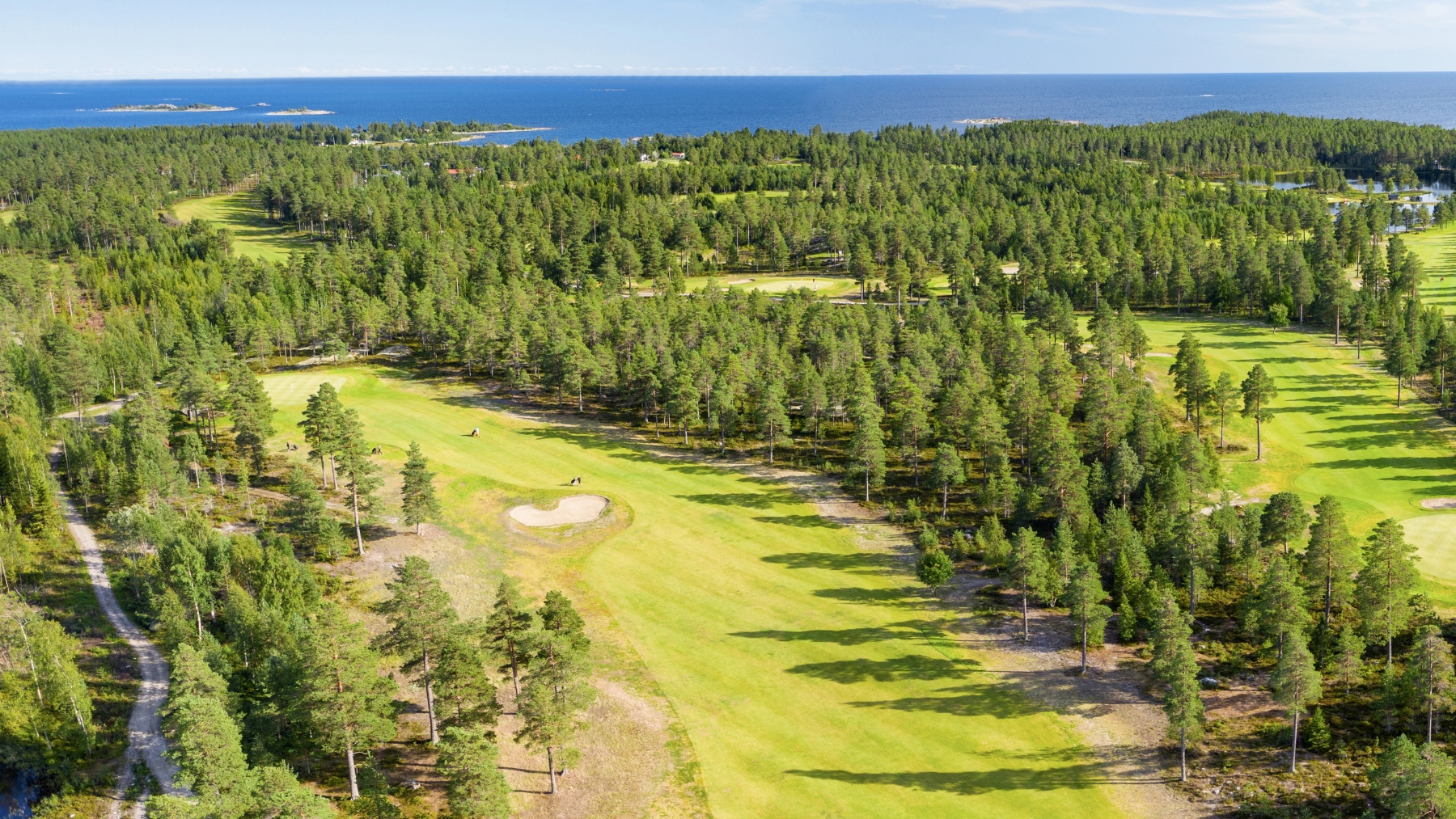
Finland operates within a slightly tighter window, but often delivers excellent conditions at the height of the season, particularly from June through August, as covered in the Golf in Finland guide. The combination of forest, lakes, and long summer light creates a calm and consistent experience.
Norway is more variable, shaped by its terrain and geography, with conditions that can shift quickly depending on location, as explored in the Golf in Norway guide. The season is similar in length to Sweden and Finland, but conditions can change more quickly, particularly along the coast and in more mountainous areas. What it offers in return is a level of visual drama that is difficult to match.
Iceland sits at the edge of the Nordic golf calendar, with a shorter but highly distinctive playing window, as outlined in the Golf in Iceland guide. Its season is the shortest and most concentrated, but also one of the most distinctive. When conditions are right, the experience is defined less by traditional expectations and more by the landscape itself.
So, When Should You Go?
The answer depends less on temperature and more on the kind of trip you want.
For a first visit, mid-summer is the most straightforward choice. July, in particular, offers the best balance of conditions, accessibility, and daylight. It is the point at which the region feels fully open and at ease.
For those looking for a quieter experience, late spring and early autumn provide strong alternatives. May and September both offer a slightly calmer pace, with fewer crowds and a more measured atmosphere. The golf remains very good, but the overall feel of the trip shifts.
For something more unusual, travelling further north in June brings a different dimension. The extended light, and in some cases the midnight sun, creates a version of golf that feels removed from the usual structure of the game. It is not necessarily the most convenient option, but it is one of the most memorable.
Final Thoughts
Choosing when to play golf in the Nordic countries is not about finding a single perfect month. It is about understanding how the season works and deciding what kind of experience you want to have within it.
The region offers a relatively short but highly defined window for golf, shaped as much by light as by temperature. Within that window, there is more variation than might first appear, from the longer, milder season in Denmark to the tighter, more concentrated experience in Iceland.
For the travelling golfer, that variety is part of the appeal. The Nordics do not offer a one-size-fits-all answer. Instead, they offer a range of possibilities, each shaped by the landscape, the light, and the time of year you choose to play.