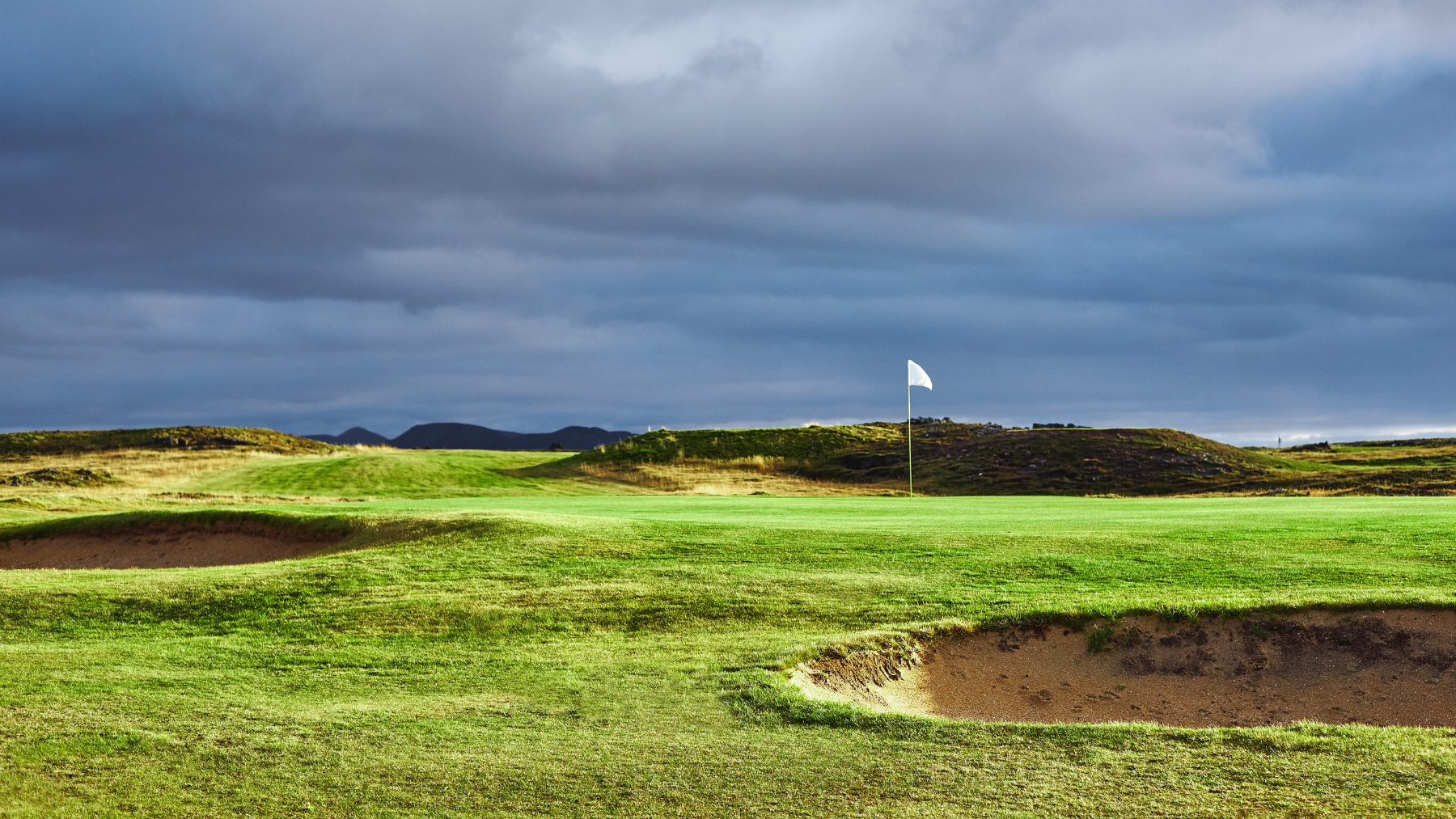
Links Golf in the Nordic Context
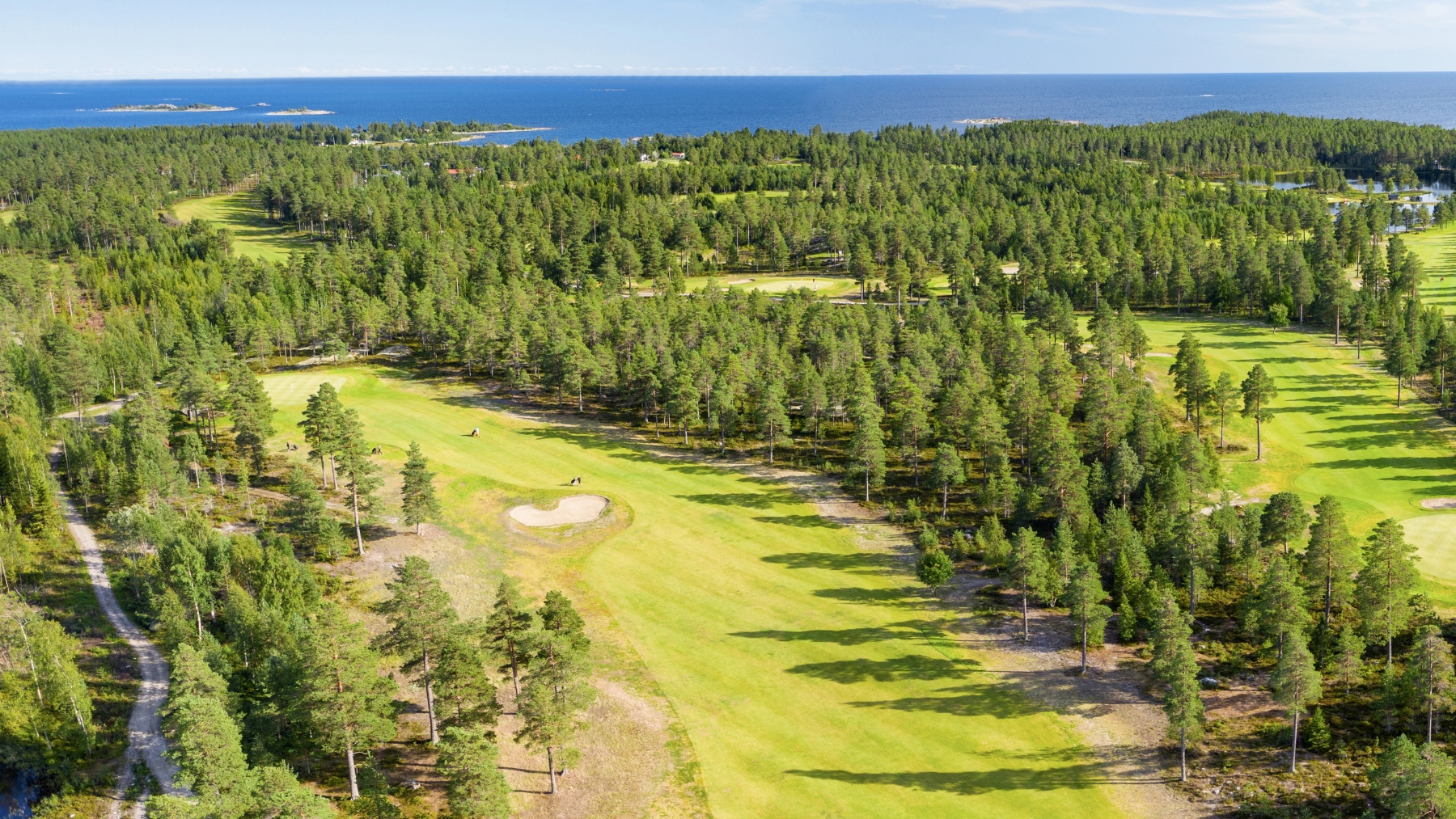
For golfers familiar with links golf in its traditional sense, the Nordic countries are not the first place that comes to mind. The great links landscapes of Scotland and Ireland, with their expansive dunes, sandy soil, and centuries-old routing, have shaped a very specific understanding of what the term means. By comparison, golf in Denmark, Sweden, Norway, Finland and Iceland has developed in very different conditions, often defined by forest, rock, and a shorter playing season.
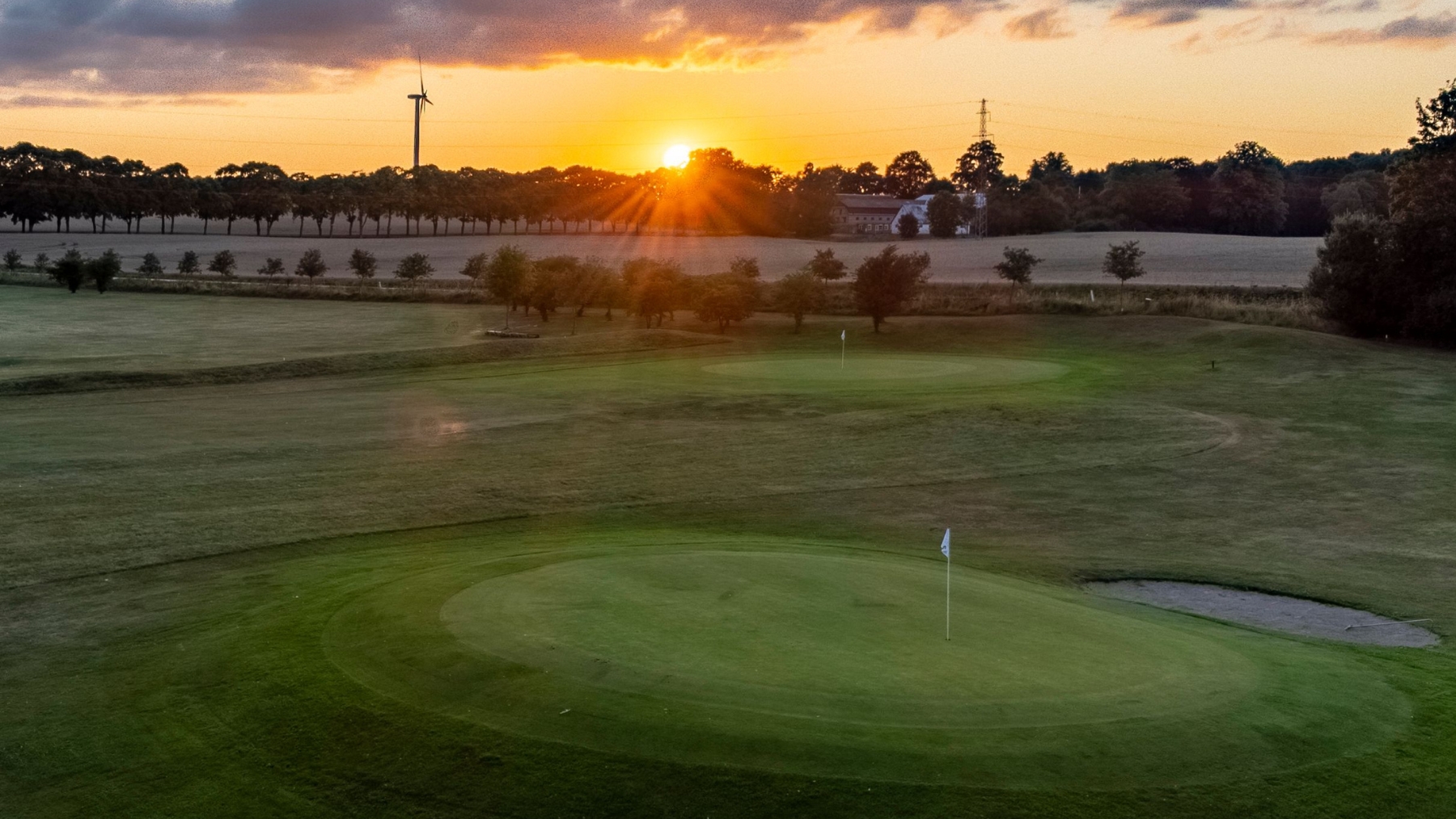
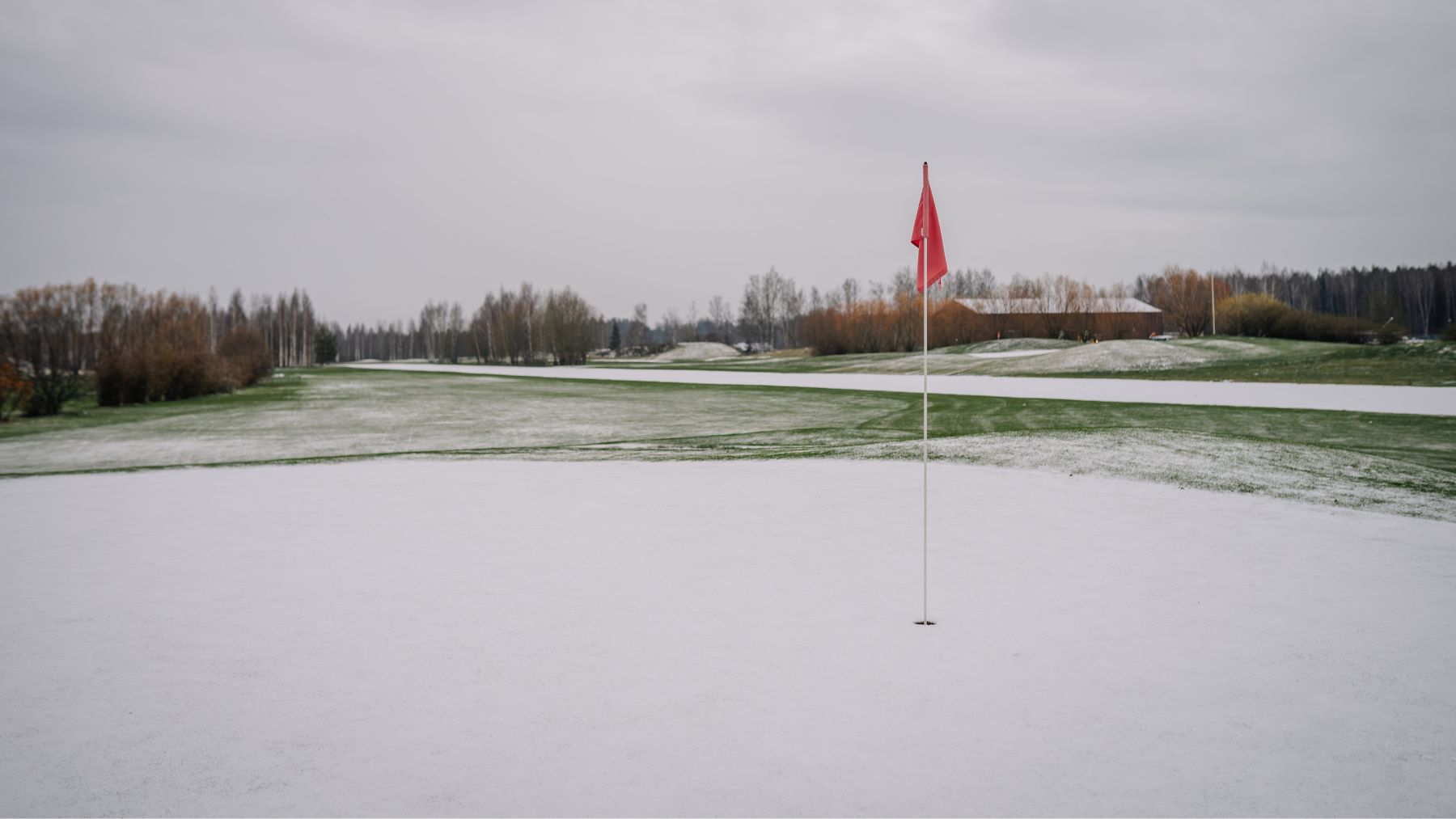
And yet, links golf does exist here. Not always in its purest form, and not always in ways that align perfectly with traditional definitions, but in a way that is still recognisable and, in many cases, highly distinctive. Along the coasts of southern Sweden and Denmark, on exposed stretches of Norwegian shoreline, and in the more extreme landscapes of Iceland, there are courses where wind, ground, and openness combine to create something that sits firmly within the spirit of links golf, even if the details vary, something that also shapes the broader patterns described in The Golf Season in the Nordics.
What makes the Nordic version of links golf interesting is precisely this variation. It is less uniform, less codified, and more dependent on the specific landscape in which it is found. Rather than attempting to replicate the links courses of the British Isles, these courses tend to reflect their own environments, resulting in a form of golf that feels both familiar and different at the same time.
What Links Means in the Nordics
In its most traditional sense, links golf is defined by a combination of sandy soil, coastal terrain, minimal tree cover, and a style of play that is shaped as much by the ground as by the air. In the Nordics, those ingredients are not always present in full. What tends to carry across more consistently is the influence of exposure.
Wind plays a far more central role on these courses than it does inland. Fairways are often more open, even where dunes are less pronounced, and the way the ball reacts after landing becomes part of the challenge. In some places, the terrain allows for a genuine running game. In others, the links influence is felt more in the conditions than in the ground itself.
It is therefore useful to think of Nordic links golf as existing along a spectrum. At one end are courses that align closely with traditional links characteristics. At the other are courses where the influence is more subtle, shaped by coastline and climate rather than by classic links terrain. Taken together, they form a coherent, if slightly broader, interpretation of the term.
Falsterbo Golf Club
At Falsterbo Golf Club, the connection to traditional links golf is immediate and clear. Situated on a narrow stretch of land in the far south-west of Sweden, the course is exposed on all sides, with the sea rarely out of sight and the wind rarely absent. The ground is sandy, the terrain gently undulating, and the routing feels as though it has been laid across the landscape rather than imposed upon it.
There is very little excess here. The challenge comes not from heavy shaping or artificial features, but from positioning, conditions, and the need to control ball flight. On calmer days, the course can feel generous. In stronger winds, it becomes far more exacting, with small differences in trajectory having a significant impact on outcome.
Falsterbo stands as the clearest example of traditional links golf in Sweden, and one of the few courses in the region that can be described without qualification in those terms, fitting naturally within the coastal emphasis explored in the Golf in Sweden guide.
Blåvandshuk Golf Club
On Denmark’s west coast, Blåvandshuk Golf Club offers a different but equally convincing interpretation of links golf. Here, the landscape is defined by dunes, heathland, and open coastal terrain, with the course moving through a series of natural corridors that feel shaped by wind and time rather than design.
The experience is less about visual drama and more about rhythm. Holes rise and fall gently, the ground remains firm in places, and the wind is a constant presence, influencing both club selection and strategy. There is a sense that the course evolves with the conditions, offering a slightly different challenge each time it is played.
While perhaps less widely known than some of its Nordic counterparts, Blåvandshuk captures many of the essential qualities of links golf in a way that feels authentic and unforced, and sits comfortably alongside the wider coastal character covered in the Golf in Denmark guide.
Lofoten Links
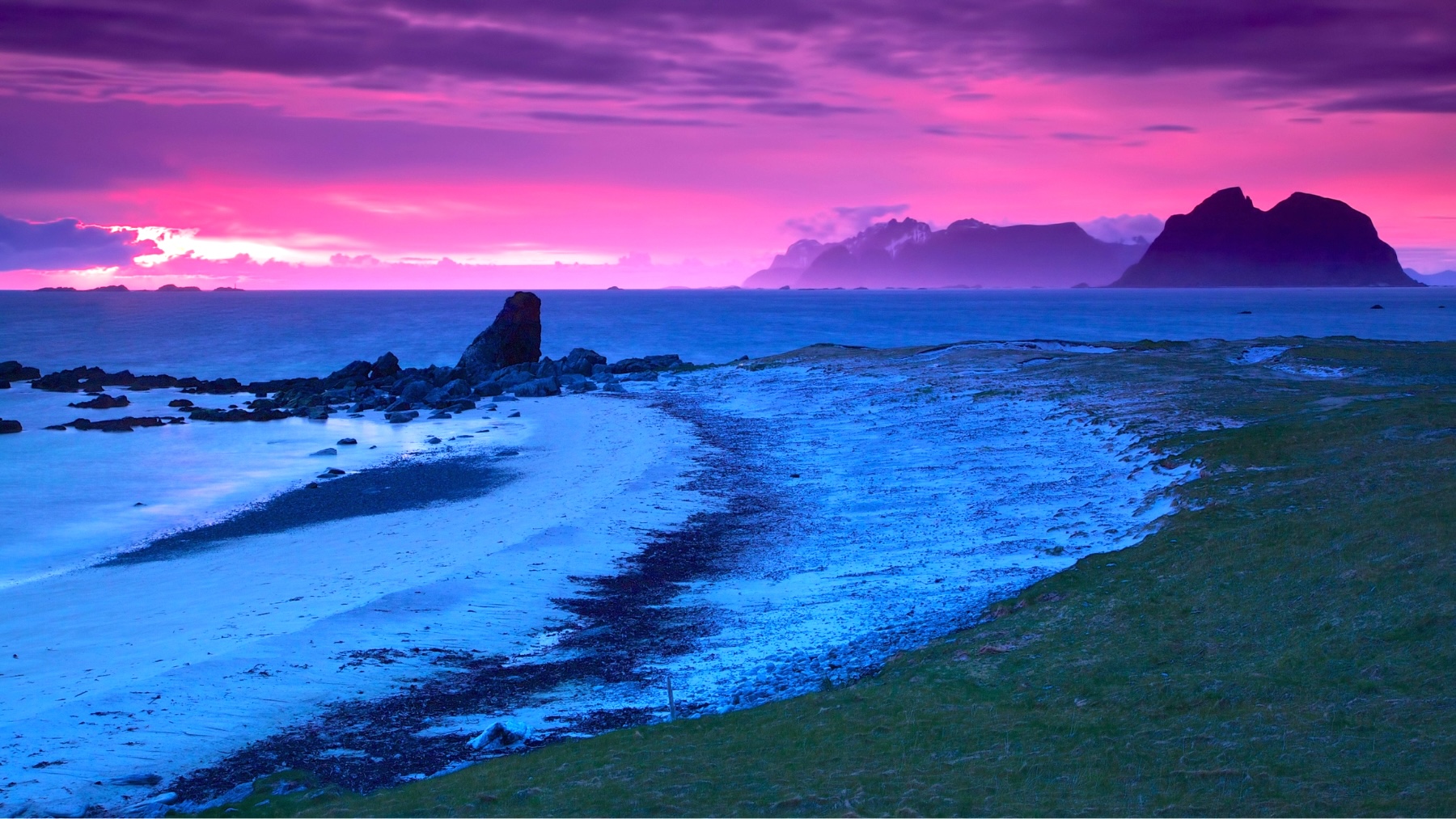
Further north, Lofoten Links presents a version of links golf that is both familiar and entirely its own. Set against a backdrop of mountains and open sea, the course follows the natural contours of the land, with holes routed along the coastline in a way that feels dictated by geography rather than design convention.
This is not links golf in the classical sense. The terrain is more dramatic, the scale more pronounced, and the environment more extreme. But the essential elements remain. The course is exposed, the wind is a defining factor, and the interaction between ball and ground is an important part of how the game is played.
What distinguishes Lofoten is not its adherence to tradition, but its ability to reinterpret links golf within a completely different landscape. It is, in many ways, the Nordic version of the form at its most distinctive, and a strong example of the more dramatic settings discussed in the Golf in Norway guide.
Barsebäck Golf & Country Club
At Barsebäck Golf & Country Club, the links influence is present but less absolute. The course sits close to the coast, and the wind plays a significant role, particularly on the more exposed holes. At the same time, the layout carries elements of championship design, with more defined shaping and a slightly more structured feel.
This creates an interesting balance. The course retains enough openness to allow for links-style play in certain conditions, while also introducing a level of control and definition that moves it away from pure links territory. It is perhaps best understood as a hybrid, where coastal exposure and modern design meet.
Helsingborg Golf Club
A little further north, Helsingborg Golf Club offers another variation on the same theme. The coastal holes, in particular, carry a strong links character, with open views, firm ground in places, and a reliance on positioning rather than power.
Away from the shoreline, the course becomes more mixed, incorporating elements that sit outside traditional links design. The result is a layout that shifts in character as it progresses, moving between more classical links-style golf and something slightly more varied.
Brautarholt Golf Club
In Iceland, Brautarholt Golf Club sits at the edge of what might reasonably be described as links golf. The terrain is more rugged, the coastline more dramatic, and the routing more irregular. But the influence of wind, openness, and proximity to the sea remains central.
This is not a course that conforms to traditional definitions. Instead, it reflects its environment directly, with holes that feel shaped as much by the land itself as by any formal design principles. The experience is less about purity and more about atmosphere, but the connection to links golf is still evident in the way the course is played, much like the broader landscape-led perspective found in the Golf in Iceland guide.
HimmerLand Golf & Spa Resort
At HimmerLand Golf & Spa Resort, the links connection becomes more abstract. The course is inland, and the terrain lacks the sandy base typically associated with links golf. And yet, the openness of the landscape and the constant influence of wind create conditions that feel similar in character.
Here, the game is shaped less by ground movement and more by exposure. Shots must still be controlled, trajectories managed, and positioning considered in relation to the wind. While it sits at the outer edge of the links spectrum, it demonstrates how the principles of links golf can extend beyond strictly coastal environments.
A Broader Interpretation
Taken together, these courses suggest that links golf in the Nordic region is less about strict definition and more about how the game is shaped by its surroundings. The classic elements are present in some places, particularly at Falsterbo, while in others they are adapted to fit different landscapes.
What emerges is not a diluted version of links golf, but a broader one. A form that is still grounded in wind, openness, and interaction with the land, but expressed in ways that reflect the diversity of the region itself.
Final Thoughts
The Nordic countries may not offer links golf in the same concentrated or traditional form as the British Isles, but they do offer something that is equally interesting. A version of the game that is shaped by different landscapes, different climates, and a slightly different approach to design.
For the travelling golfer, this presents an opportunity not just to seek out familiar experiences, but to explore how a familiar form can evolve when placed in a new setting. In that sense, links golf in the Nordics is not about comparison, but about variation, and the subtle ways in which the game adapts to the land on which it is played.