Players and Place in Nordic Golf
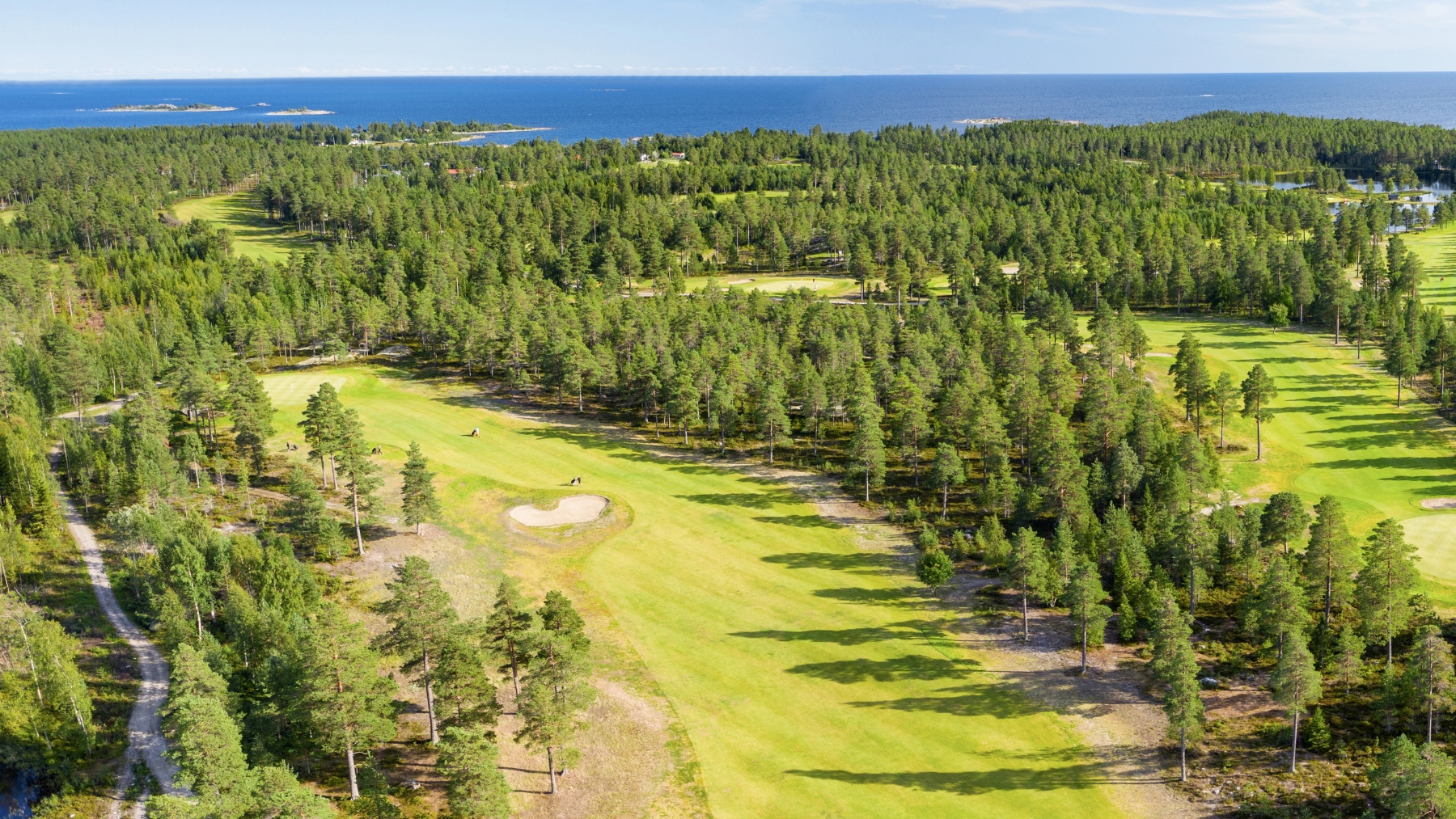
Golf in the Nordic region has developed in a way that feels slightly different from much of the rest of Europe. It has not been built around destination resorts or iconic, one-off venues, but around strong domestic structures, accessible clubs, and a culture where the game is played regularly rather than occasionally. The result is a system that produces players in a different way, less through prestige, and more through consistency, repetition, and environment.
Over time, that has created a steady stream of players capable of competing, and winning, at the very highest level across multiple tours. What makes many of these players particularly interesting is not just their success, but where they come from. The clubs, landscapes and systems that shaped them are still there, and in many cases remain open to anyone willing to travel north to experience them. This is a region where the connection between player and place is still visible, and still meaningful.
Annika Sörenstam and the Foundations of Swedish Golf
Few golfers represent the structure of Swedish, and wider Nordic golf, more clearly than Annika Sörenstam. Growing up in Bro, just north of Stockholm, she developed her game at Bro-Bålsta Golfklubb alongside her sister Charlotta, who would also become a successful professional. The course itself is relatively open and modern in style, but the environment around it is unmistakably Swedish, structured, accessible, and built for regular play rather than spectacle.
Sörenstam’s achievements are well documented, but what matters more here is how she was developed. She is part of a much broader story, particularly in women’s golf, where Sweden has produced an extraordinary number of elite players over time. That depth does not come from isolated success, but from a system that has consistently supported the game at every level. The strength of that structure is still visible today, not just in the players it produces, but in the environments that continue to shape them.
Jesper Parnevik and the Personality of Swedish Golf
If Sörenstam represents structure, Jesper Parnevik represents personality, and arguably something much more influential than that. Developing his game at Stockholm Golf Club in Danderyd, one of the oldest clubs in Sweden, he came through a traditional, understated environment. Tree-lined, quietly demanding, and rooted in the older style of the game, it is not a place that immediately suggests flair or individuality. That is what makes what followed more interesting.
Parnevik did not just succeed, he stood out. At a time when professional golf could still feel rigid and overly controlled, he brought something different. The upturned cap, the relaxed manner, the sense that he was entirely comfortable being himself on the biggest stages in the game. He played at the highest level, but never seemed weighed down by it. There was a looseness to how he carried himself, a sense that the game mattered, but not at the expense of personality.
That mattered more than it might appear. For many, particularly in Sweden and across the Nordic region, Parnevik was one of the first players who made elite golf feel accessible without losing its seriousness. He showed that you could come from a structured, traditional system and still express something individual within it. That balance remains one of the defining strengths of Nordic golf today. The systems are strong, but they do not flatten people, and Parnevik remains one of the clearest examples of that.
Henrik Stenson and the Rise of Nordic Men’s Golf
For a long time, Nordic golf produced strong players, but not major champions on the men’s side. That changed with Henrik Stenson, and his victory at The Open Championship at Royal Troon in 2016.
Closely associated with Barsebäck Golf & Country Club, Stenson developed in an environment shaped by coastal conditions and a more links-influenced style of golf. Barsebäck has long been one of the most important venues in Nordic golf, and its connection to traditional links golf is clear. That background mattered. When Stenson won The Open, it felt less like an outlier and more like a natural progression.
There is a certain clarity to Stenson, both in how he plays and how he presents himself. Known as “The Iceman,” he has long been associated with a calm, controlled presence under pressure. Direct, composed, and quietly imposing, he reflects a very recognisable version of the Scandinavian athlete, self-contained, measured, and difficult to disrupt once in rhythm.
Since then, that breakthrough has taken on greater significance. It demonstrated that players from the region could win at the very highest level of the men’s game, and it has been followed by a steady rise in Nordic success across major tours. Stenson’s influence has also moved beyond playing, with his work in course design helping to shape the next generation of environments that produce elite players.
Viktor Hovland and a New Pathway
Viktor Hovland represents something slightly different again. Coming from Drammen Golfklubb in Norway, his early development took place in a country with a smaller golfing footprint than Sweden. His progression through the American collegiate system, particularly at Oklahoma State, reflects a pathway that has become increasingly important for Nordic players.
What stands out is not just his success, but how it has been achieved. The combination of Nordic foundations and international development has created a player who is both technically strong and adaptable across different environments.
Hovland is also one of the more naturally likeable players on tour. There is a genuine humour to him, something that comes through in interviews and in how he carries himself. He does not feel overly managed or overly serious, and that adds to the sense that, despite everything he has achieved, he is still enjoying the experience rather than being defined by it. That combination of elite performance and lightness of character feels increasingly representative of the modern Nordic player.
Ludvig Åberg and the Next Phase
Ludvig Åberg developed his game in southern Sweden, most notably at Eslövs Golfklubb, a club that reflects the accessibility and structure of Swedish golf at its best. From there, he continued his development at Vasatorps Golfklubb before progressing through the collegiate system in the United States. His pathway is now well established, but the speed of his transition into professional golf has been striking.
Within a matter of months, he had won on both the DP World Tour and PGA Tour, and had already been part of a Ryder Cup team. That kind of start is not just about ability, but preparation. It reflects a system that is producing players who are ready earlier, and who are comfortable moving between different golfing environments. The foundations remain Nordic, but the outlook is increasingly global.
Among teammates and at home in Sweden, he is known simply as “Ludde,” a natural shortening that reflects the familiarity and ease with which he carries himself. It fits. There is a calm assurance to him, both in how he plays and how he presents himself, that makes his rise feel less surprising the more you watch him.
A Wider Nordic Influence
Beyond these headline names, the depth of golf across the Nordic region is considerable and continues to grow. Denmark has become increasingly visible at the highest level, with players such as Rasmus and Nicolai Højgaard establishing themselves on major tours, while figures like Thomas Bjørn have played a significant role in shaping the European game.
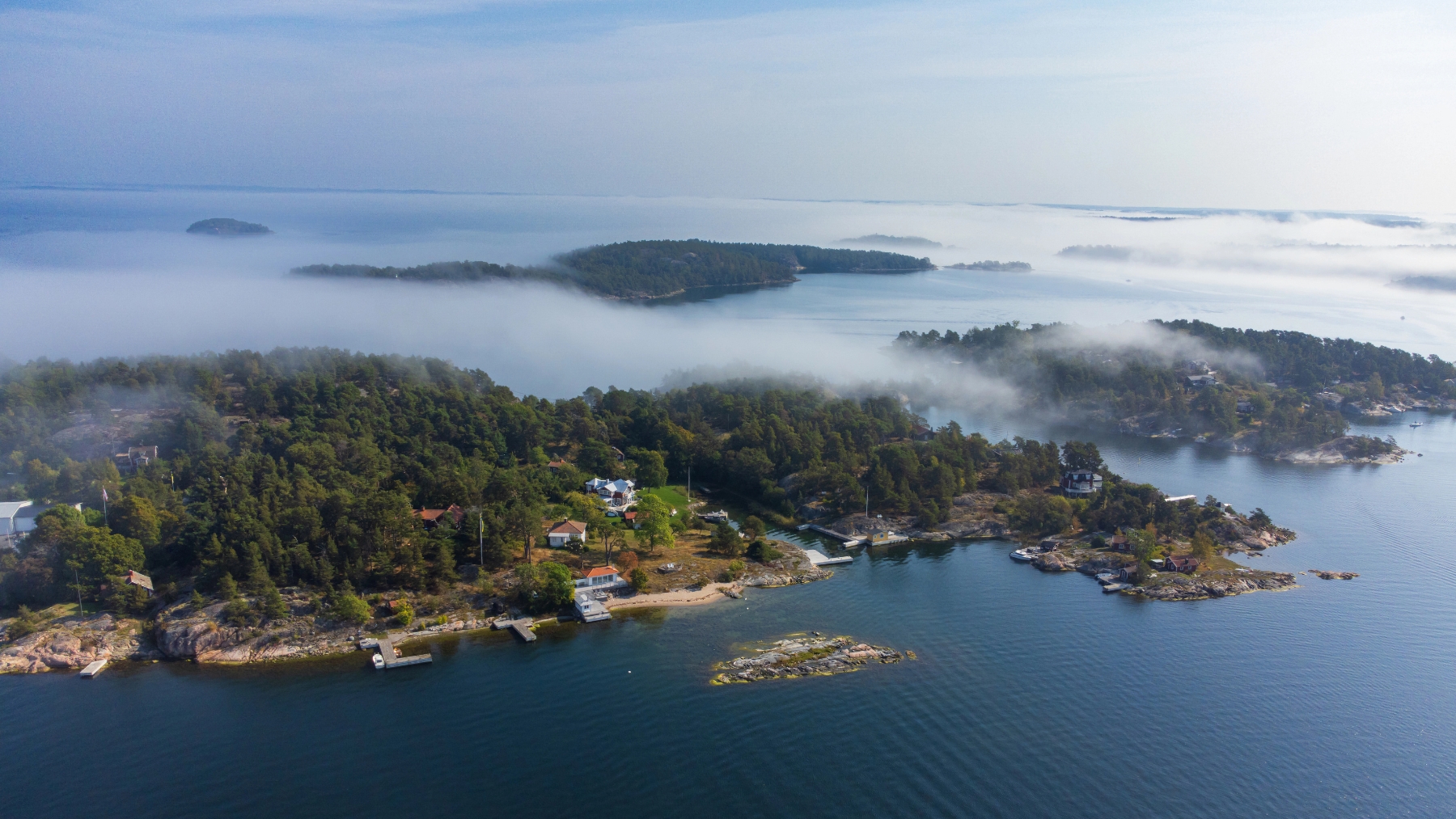
Finland and Iceland operate on a smaller scale, but their presence is still notable. Players emerging from these countries reflect the same underlying structures, even if the pathways are less visible. What connects all of them is not a single style of golf, but a shared environment. Long summer days, strong club systems, and a culture built around regular play continue to provide the foundation.
Final Thoughts
Nordic golf has never relied on a single dominant figure or a single defining location. There is no equivalent of St Andrews or Augusta. Instead, its strength lies in its consistency, and in the quality of the environments spread across the region.
Across Sweden, Denmark, Norway, Finland and Iceland, the game is supported by systems that prioritise access, structure and regular play. The players who emerge from that environment reflect it. They are adaptable, technically strong, and shaped as much by where they learned the game as by how they play it.
For anyone travelling north to play, that connection between player and place offers something slightly different. The courses are not just venues, but part of a wider system, one that produces players not through spectacle or status, but through familiarity, repetition, and time spent in the game. That difference is subtle when you first arrive, but once you see it, it is difficult to ignore.
One of the most appealing aspects of golf in the Nordic region is just how accessible it all remains. Many of the courses where these players learned the game are open, welcoming, and available to play, and the connection to the people behind them still feels close. It is not unusual to meet someone who knows the player, has played with them, or watched them develop. That sense of proximity, where elite golf does not feel distant or removed, but part of the same landscape you are moving through, is something that is increasingly rare elsewhere.