Tour Golf in the Nordics
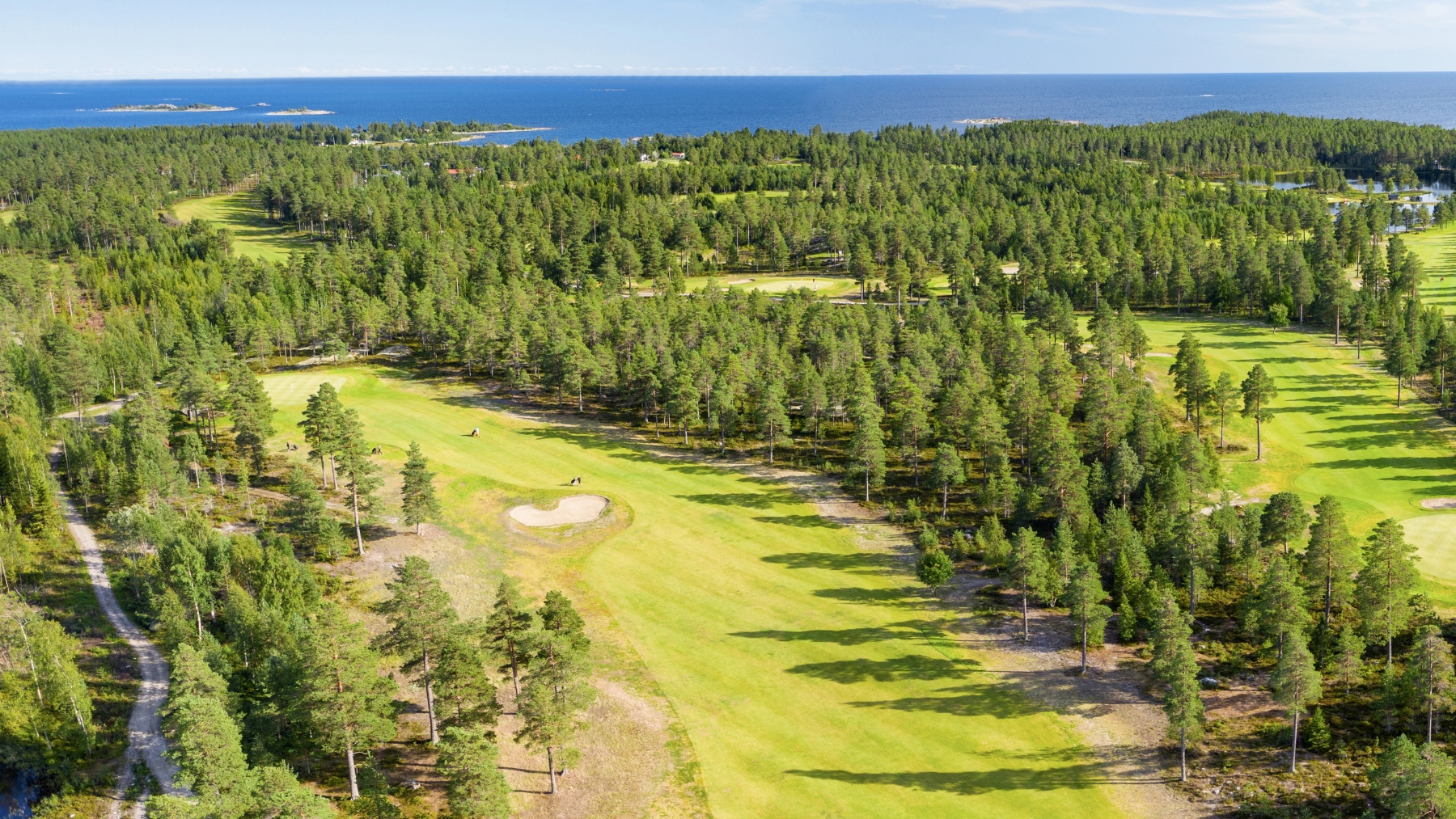
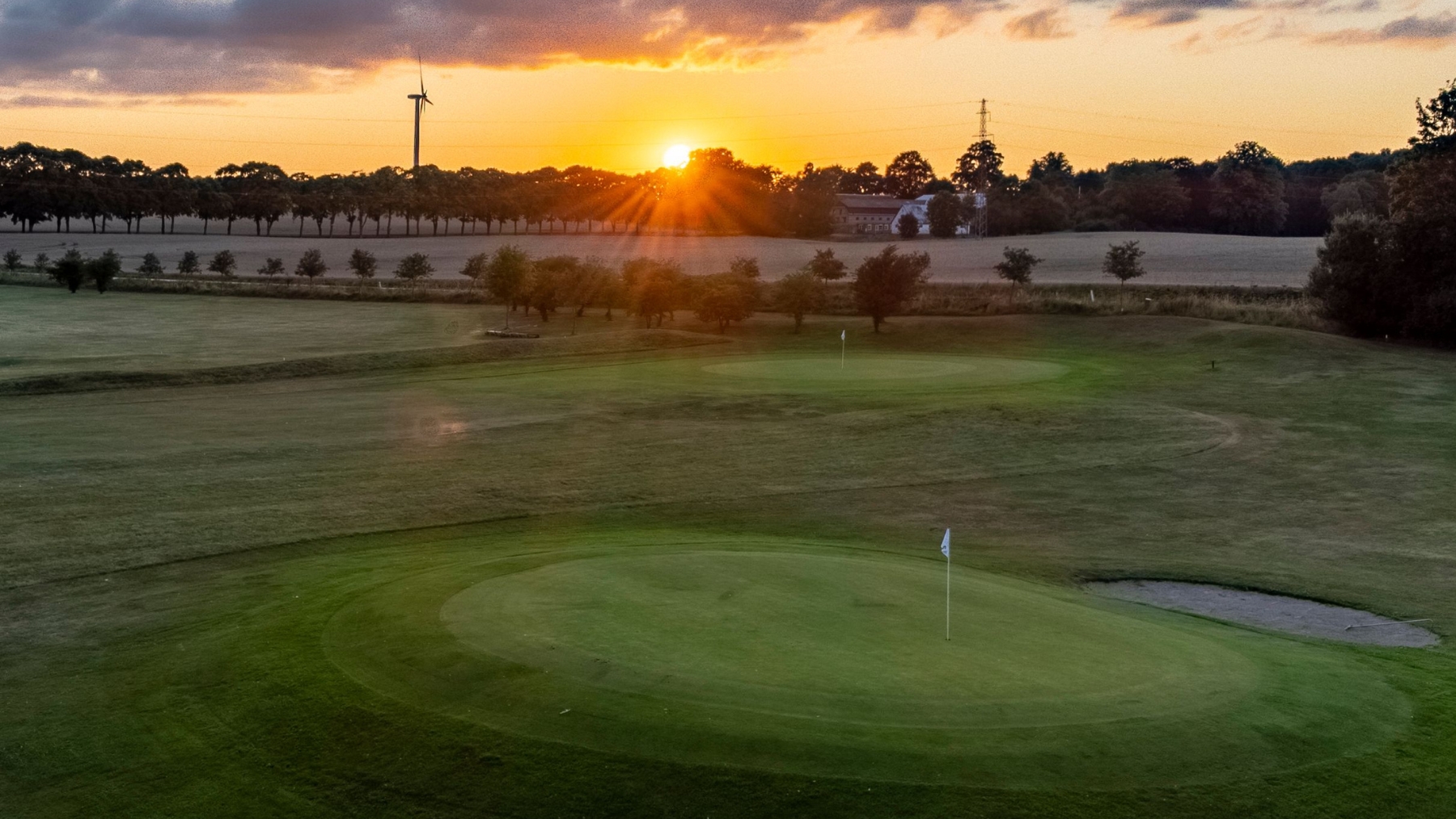
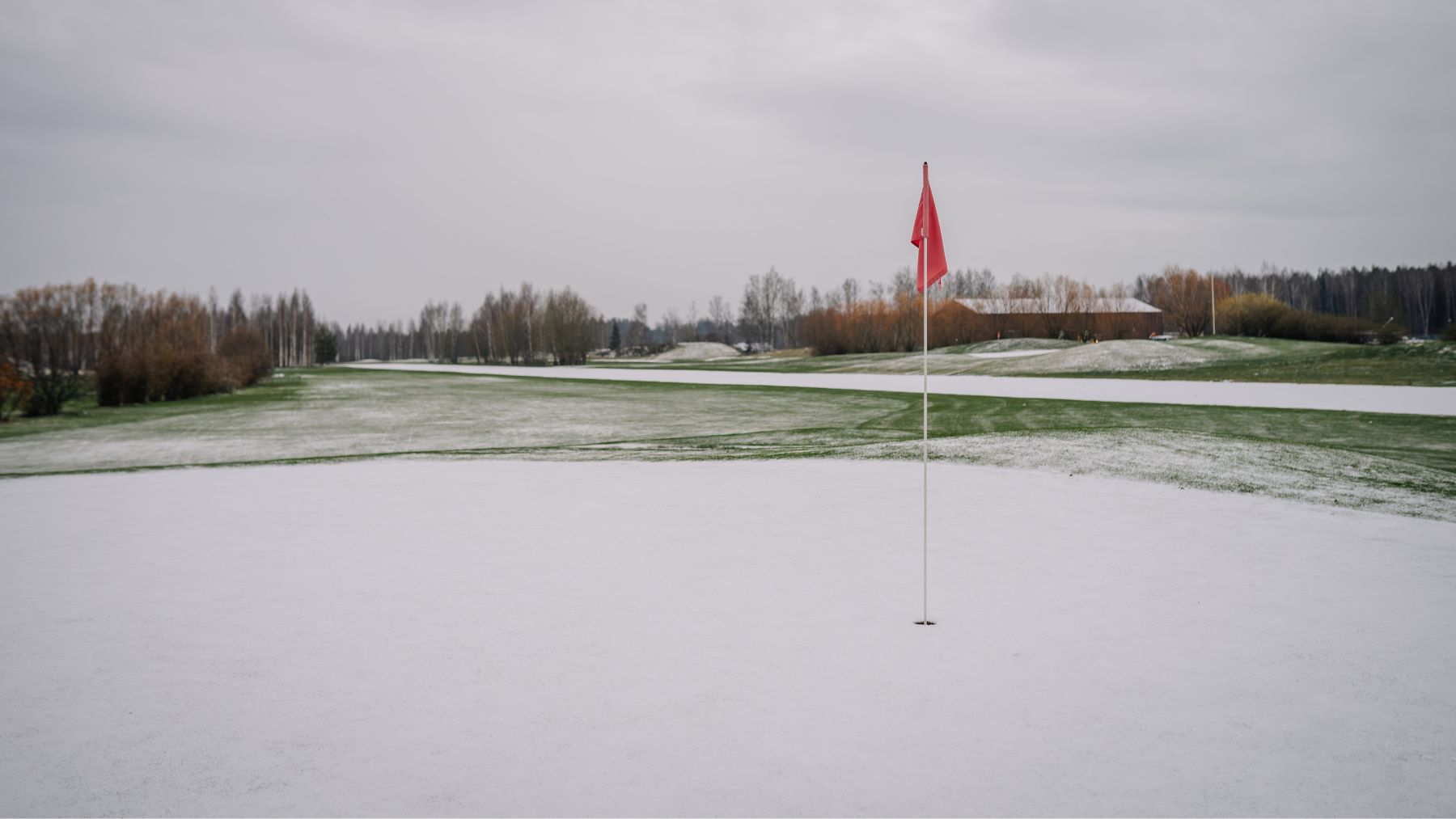
There is a tendency, when people think about tour golf, to picture something slightly removed from normal experience. Big names, closed gates, and courses that feel as though they exist in a different category altogether. That idea holds in a lot of places. It doesn’t really hold in the Nordics.
Professional golf has been played here for decades, across Sweden, Denmark, and to a lesser extent Finland and Norway. Events have moved, formats have changed, and the level has shifted between the European Tour, the DP World Tour, and the Ladies European Tour. What hasn’t really changed is the type of golf course that hosts it. These are not, for the most part, isolated environments. They are clubs. Places you can book, turn up to, and play.
That is the thread that runs through Nordic tour venues. Accessibility sitting alongside quality. If you understand that, the whole landscape makes more sense.
1980s–1990s: The Swedish Foundation
Tour-level golf in the Nordics starts, in any meaningful sense, in Sweden. The early Scandinavian events moved between clubs and established a pattern that still defines the region. Rather than being tied to one flagship venue, the tour rotated through a number of strong, established courses, each offering something slightly different.
Ullna and Barsebäck gave the European Tour a foothold. Ullna, in its earlier form, was a clean, well-presented parkland course that simply worked. Barsebäck, by contrast, brought something harder and more exposed, shaped by wind and proximity to the coast. Its status was cemented when it hosted the Solheim Cup, placing it firmly on the global stage rather than just within a regional rotation.
At the same time, the tour also moved through clubs like Vasatorp, and into venues that today would not immediately be labelled as “tour courses.” That is where the Nordic model becomes clearer.
Both Bro-Bålsta and Kungsängen hosted the Scandinavian Masters during this period. Neither is built as a spectacle venue, and neither relies on scale or artificial difficulty. What they offer is solid, well-routed golf that stands up under pressure. More importantly, they remain accessible. You can go and play them without the sense that you are stepping into something reserved.
Halmstad Golf Club sits alongside them as one of Sweden’s strongest championship venues. It represents the more traditional end of the spectrum, and that is the point. There is nothing forced about it. It shows that tour golf in Sweden did not rely on building something new, but on using what was already there.
That matters, because it sets the tone. In the Nordics, tour golf did not develop in isolation. It grew out of normal club environments, and those environments never fully disappeared from the rotation.
2000s: The Shift to Purpose-Built
The 2000s mark a clear change. The European Tour, like everywhere else, began to lean more towards venues that could handle larger crowds, more infrastructure, and a more defined tournament identity.
The clearest example of that shift is Bro Hof Slott. Designed by Robert Trent Jones Jr., the Stadium Course was built with professional golf in mind and it shows. Wider corridors, more space for spectators, and a scale that feels deliberately modern. When it hosted the Scandinavian Masters, it became the most obvious “tour venue” in Sweden. It has also been discussed as a potential Ryder Cup venue, which says as much about its infrastructure as anything else.
What is important, though, is that even here the barrier is not particularly high. Bro Hof is not a closed, untouchable environment. It sits within reach in a way that many equivalent courses elsewhere simply do not.
At the same time, venues such as Arlandastad continued to host events. It is more functional than iconic, but that in itself is telling. It exists because it works.
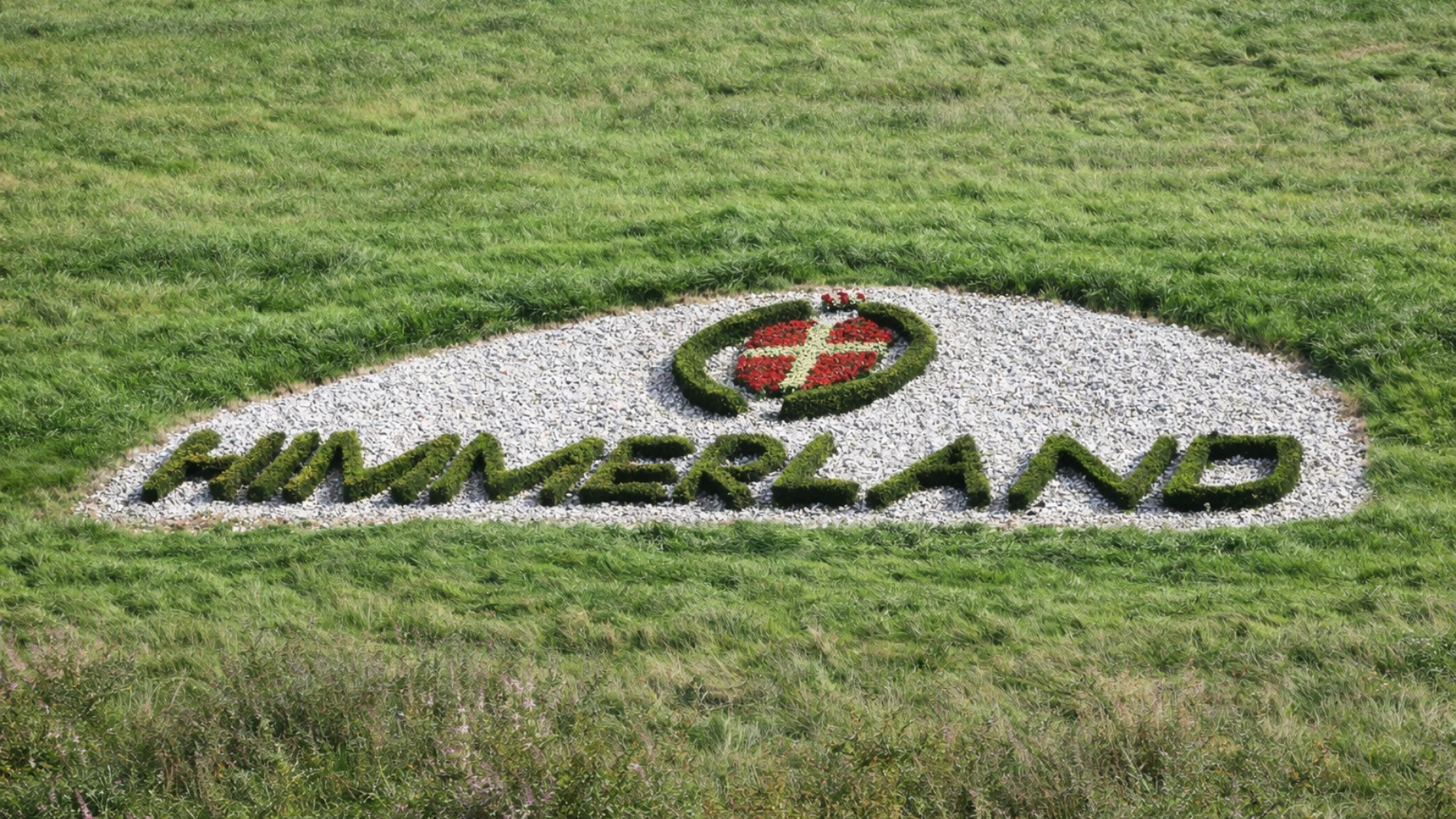
In Denmark, Himmerland began to emerge as a central venue. Unlike the Swedish model, its strength is not purely in the course design. It is in the atmosphere. When the Made in Denmark event arrived, it brought something that had largely been missing in the region: genuine crowd energy.
2010s: Broadening the Map
By the 2010s, the footprint of tour golf in the Nordics had widened, even if Sweden remained the core.
Denmark developed a more defined presence through venues like The Scandinavian Golf Club and Silkeborg Ry. These courses present a different version of tour golf. More controlled, more polished, and in the case of The Scandinavian, more exclusive. The contrast with Himmerland is clear. One is about atmosphere, the other about refinement.
Finland’s role sits slightly differently. It has not hosted the same volume of top-tier European Tour events, but it has produced venues that are entirely capable of doing so. Kytäjä is the clearest example. Regularly used for Challenge Tour events, it is a course that stands up on quality alone.
Vierumäki has hosted both Challenge Tour and LET Access events and reflects a more practical side of the Finnish golf landscape.
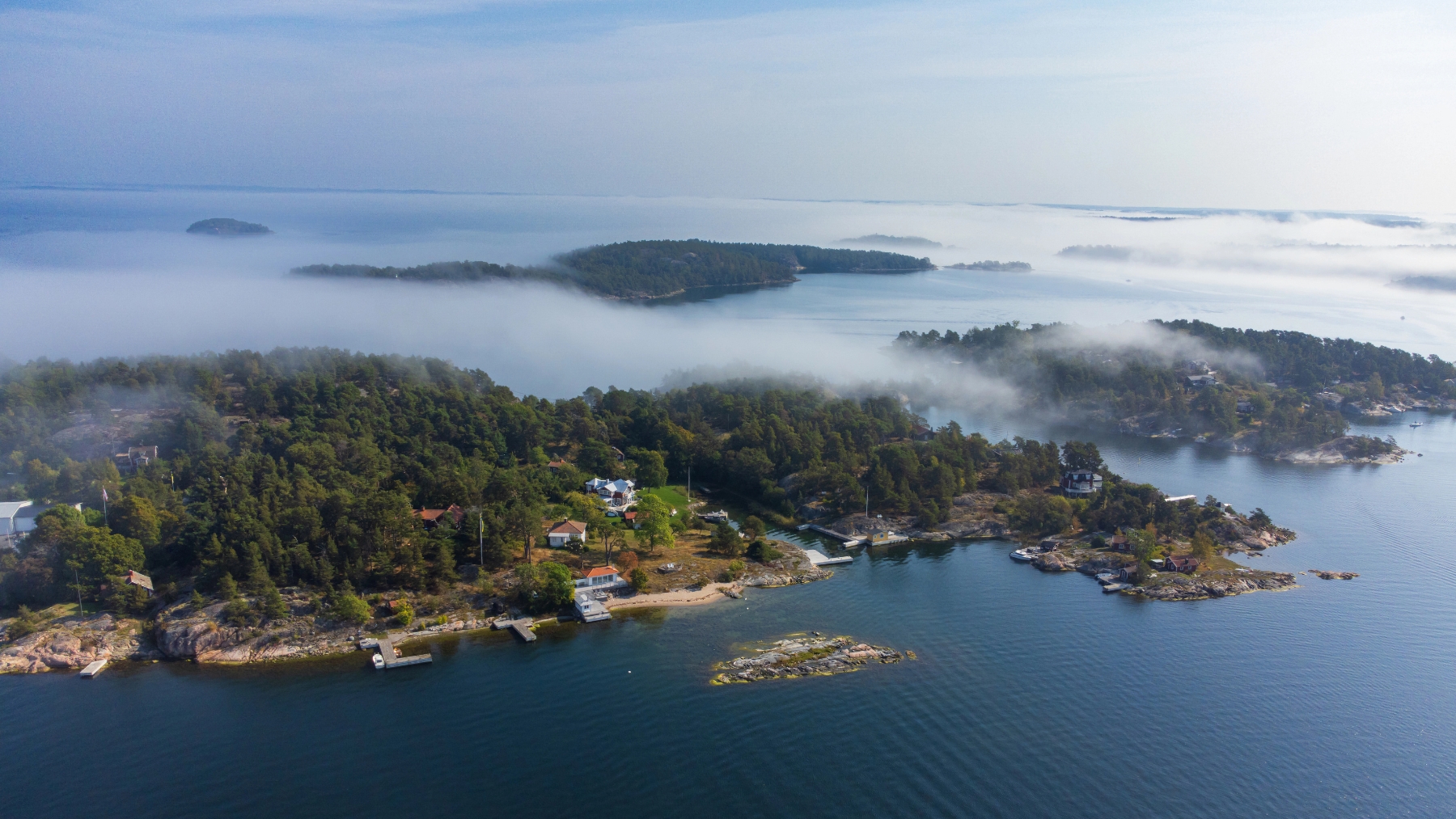
Åland adds a different dimension again. Hosting Ladies European Tour events, it sits between Sweden and Finland both geographically and culturally. It reinforces the idea that tour golf in the Nordics is not tied to a single type of environment.
2020s: A Modern Identity
The introduction of the Scandinavian Mixed has reshaped how tour golf is presented in the region. By combining men’s and women’s events, it has shifted the focus slightly away from traditional structures and towards something more contemporary.
Courses like Vallda and Hills reflect that shift. They show a broader range of styles within Sweden, rather than a single dominant model.
Halmstad has also re-emerged in this era, hosting the Scandinavian Mixed and linking its long-standing reputation with the current format of the professional game.
Ullna, redesigned by Jack Nicklaus, shows how older venues have adapted without losing their identity.
Norway remains a smaller part of the overall picture. Oslo Golf Club and Miklagard have hosted Challenge Tour events, but the country has not yet developed a consistent presence at the highest level.
What This Actually Means
Taken as a whole, Nordic tour venues do not form a closed circuit of elite, inaccessible courses. They form something much closer to an extension of normal golf culture.
You can play where tour events have been held. Not occasionally, but as a normal part of the golfing landscape. That applies whether you are at a larger, more modern venue or at a club that has quietly hosted professional golf without changing its character.
In many parts of the world, tour golf sits slightly apart from everyday golf. In the Nordics, the two are far more closely connected. If you are planning a trip, that changes how you think about where to play.
The gap between “watching” and “experiencing” is much smaller than you might expect, and that may be the most useful thing to understand.