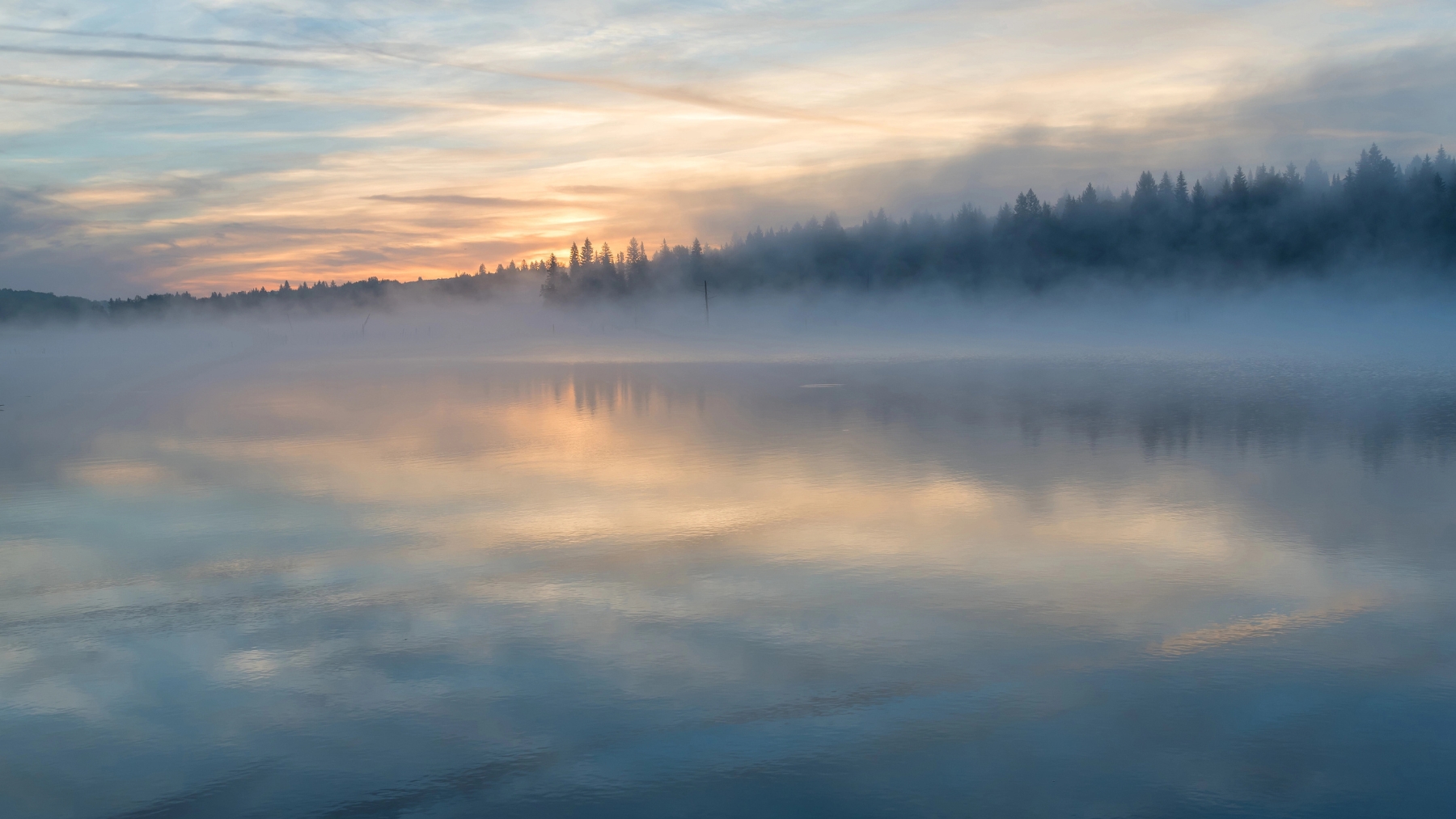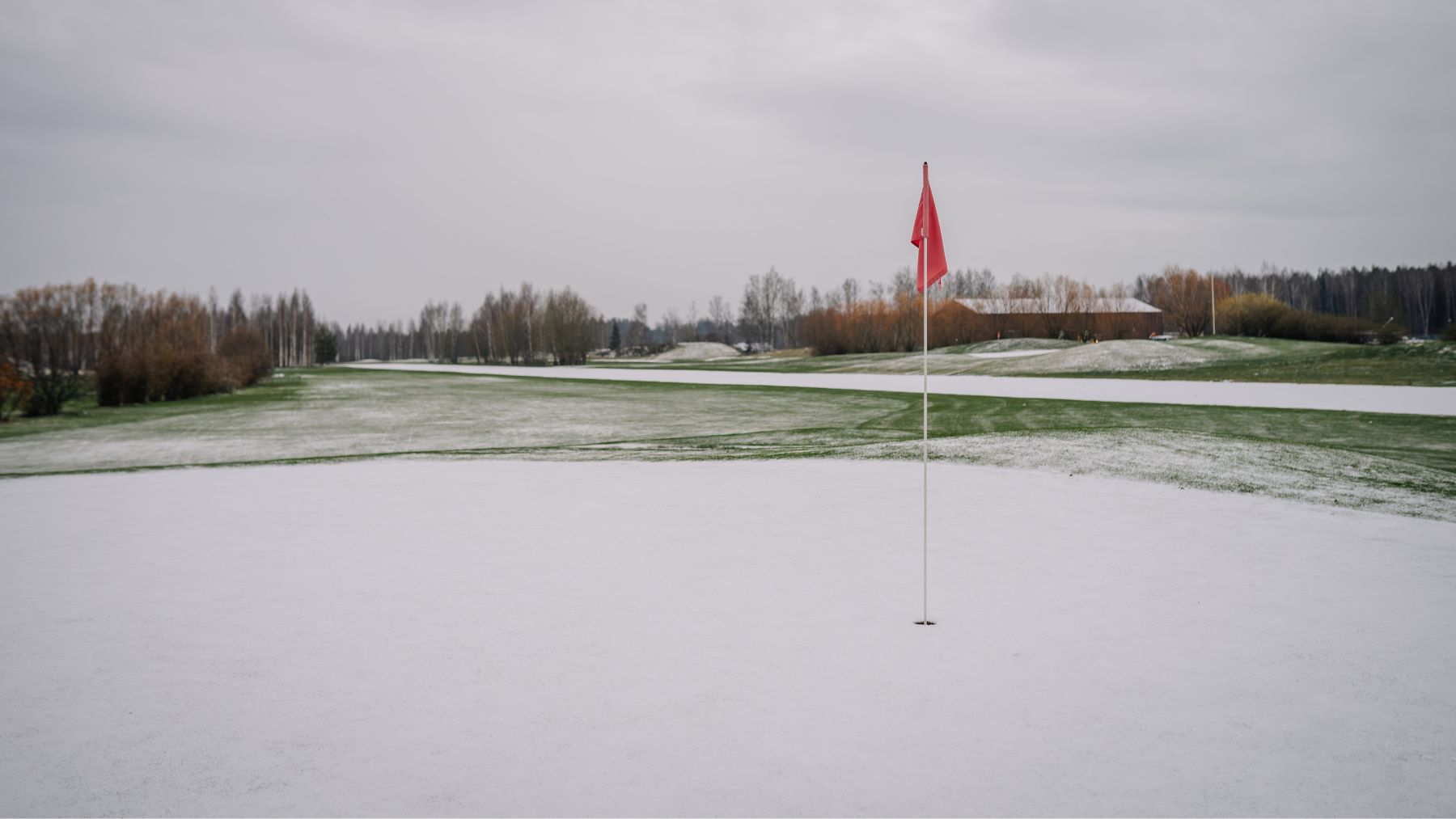
There is a point, living in the Nordic region, where sauna stops being something unusual and simply becomes part of life. In Sweden, it sits quietly in the background. It might be at home, at a golf club, by a lake, or attached to a small cabin somewhere just outside a town. It is not presented as anything special, and rarely talked about in any grand way. It is simply there, waiting to be used. Having a sauna at home, it is easy to think you understand what it is: somewhere to unwind, to warm up, to sit for a while and let the day slow down. Sometimes social, sometimes not. A routine rather than an event.
And that understanding would not be entirely wrong. Across the Nordic region, sauna exists in different forms. In Sweden, it is often slightly cooler, drier, and more closely linked to relaxation. In Norway, it is frequently tied to nature, to cold water, and to time spent outdoors. In Denmark, it is less widespread and sometimes takes on a more guided, almost spa-like structure, while in Iceland the culture revolves far more around geothermal pools than traditional saunas.
But in Finland, sauna sits in a different place entirely. It is not an addition to life, and it is not something you turn to occasionally. It is part of the structure of everyday living. There are more saunas than cars, and they exist everywhere: in homes, apartment buildings, workplaces, lakesides and islands. They are used regularly, often several times a week, and without ceremony. You don’t plan a sauna in the way you might plan an activity. It is simply assumed that it will be there, and that you will use it.
Why Sauna Matters in Finland
Understanding sauna in Finland starts with recognising that it is not built around modern ideas of wellness or indulgence. While it is often presented that way from the outside, its origins are far more practical. Sauna existed long before modern comforts, serving as a place to wash, recover, and in some cases even mark the beginning and end of life. That history still shapes how it is experienced today, giving it a sense of continuity that is difficult to replicate elsewhere.
That foundation creates a different relationship with sauna. It is not treated as an escape from life, but as something that sits within it. It is used regularly, without overthinking, and without the need to optimise or enhance the experience. This is what makes it feel so different to visitors. You are not being sold an experience, and you are not expected to perform one. You are simply stepping into something that already exists, and that people understand instinctively.
What Changes When You Step Inside
One of the first things you notice, although it is rarely explained directly, is that behaviour shifts once you enter the sauna. The space itself is simple, usually just wood, heat, and quiet, but the way people act within it is distinct. There is no sense of performance, no need to fill the space with conversation, and no visible hierarchy. Titles, roles, and status do not really carry into it. Everyone sits in the same heat, under the same conditions, and that creates a kind of quiet equality that is understood without needing to be stated.
For visitors, this is often where uncertainty begins. Not because the rules are complicated, but because very little is explicitly explained. There are no instructions on the wall, and no one is likely to walk you through the process step by step. Instead, the structure reveals itself through observation. You begin to notice what people do, how they move, and how they interact with the space, and gradually a rhythm becomes clear.
What to Expect — and How to Behave
For most visitors, the uncertainty around sauna comes down to one thing: not knowing what is expected. The reality is that the structure is simple, but it helps to understand it clearly before you step inside. You will normally begin by showering, which is expected in almost all saunas, whether public or private. This is not presented as a strict rule, but it is part of entering the space properly, a way of leaving the outside behind before stepping into a shared environment.
The question of what to wear depends on the setting, and this is often the part that causes the most hesitation. In many traditional Finnish saunas, particularly private ones or single-sex public sessions, nudity is normal and entirely non-sexual. In mixed settings, or in more modern public facilities, swimwear or a towel is often used. If you are unsure, the simplest and most reliable approach is to observe what others are doing and follow that lead. No one expects you to know immediately, but there is an expectation that you will adapt to the environment you are in.
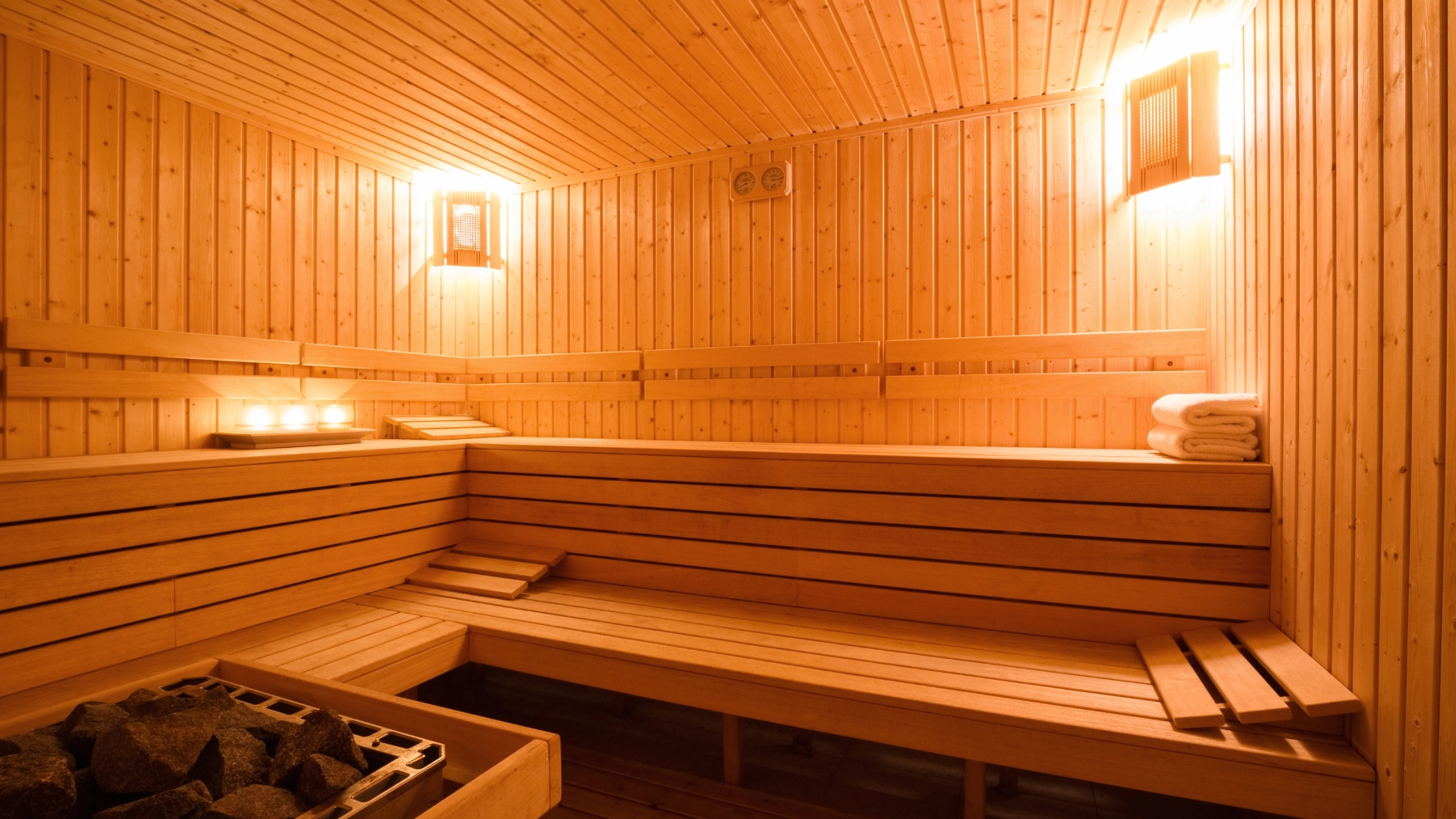
Inside the sauna, the space itself is straightforward. Wooden benches rise in levels, with the higher seats carrying more heat. You sit, usually on a towel, both for comfort and hygiene, and allow your body time to adjust. There is no expectation that you should sit at the top or push yourself into discomfort. The heat builds steadily, and the experience works best when you allow it to come to you rather than trying to force your way through it.
At some point, water will be poured onto the stones, creating steam known as Löyly. This changes the atmosphere immediately, making the heat feel deeper and more enveloping. It can be intense if you are not expecting it, which is why it is rarely done without some awareness of others in the sauna. A brief question or a glance is usually enough before adding more steam. As a visitor, you are not expected to lead this. Your role is simply to understand what is happening and respond to it.
There is no fixed time you are supposed to stay inside. Most people will remain for around ten minutes, but the correct approach is to leave when it becomes uncomfortable rather than trying to endure it. Stepping out early is completely normal and not seen as a failure. What follows is just as important as the heat itself. You cool down fully, whether that is outside in the air, under a cold shower, or in water if it is available. This contrast is not an optional extra, but a central part of the process, and once you have cooled down, you return and repeat the cycle.
Conversation, if it happens at all, tends to be minimal and unforced. Silence is completely normal, and there is no expectation that you should fill it. Being comfortable in that quiet is part of understanding the space. At the same time, there are a few things to avoid. Phones are not used inside the sauna, and the space is not treated as somewhere to document or distract yourself. You should avoid staring at others, and anything that disrupts the shared environment, such as strong scents or unnecessary movement, is generally avoided.
If you follow this basic structure, you will not offend anyone, and more importantly, you will be able to relax into the experience rather than thinking your way through it. That is ultimately the point. Sauna is not something you need to master, but something you need to understand just well enough to let it work as it is intended.
Common Mistakes Visitors Make
Most mistakes visitors make are not about breaking rules, but about misunderstanding the purpose of sauna. Many arrive with expectations shaped by spa culture, or even by sauna experiences elsewhere in the Nordic region, and try to apply those expectations here. They focus on how long they can stay, how hot it is, or whether they are doing it correctly, bringing a sense of pressure into a space that is defined by the absence of it.
Another common mistake is treating sauna as something to complete rather than something to experience. Rushing in and out, checking the time, or trying to capture the moment on a phone all disrupt the rhythm that makes it work. Sauna is not something to optimise or measure. It is something to settle into.
Why It Matters
For anyone visiting Finland, sauna is not something to observe from the outside or treat as an optional extra. It is one of the clearest ways to understand how life is structured, how people interact, and what is valued in everyday moments. It strips things back to something simple and shared, where there is no need to perform, no expectation to impress, and no real barrier between people. In that sense, it offers a perspective that is difficult to access in more formal or structured environments, and one that reveals far more about the culture than many more obvious experiences.
That is also why it can feel unfamiliar at first. The quiet, the lack of instruction, and the absence of clearly defined steps can leave you unsure of what to do or how to behave. But that uncertainty tends to fade quickly once you step into it and allow the process to unfold as it is intended. You do not need to get everything right, and you are not expected to. What matters is that you enter with a basic understanding, a willingness to follow the rhythm, and a respect for the space and the people in it, allowing the experience to settle rather than trying to control it.
Approached in that way, sauna becomes far more than a short or isolated experience during a trip. It becomes one of the moments that stays with you, not because it was dramatic or particularly memorable in the usual sense, but because it felt natural, balanced, and complete in a way that is increasingly rare. Whether in Finland or elsewhere in the Nordic region, it is something worth embracing properly, and something that will make far more sense once you do.
Further Reading
If you are interested in understanding Finnish sauna culture in more depth, there are a number of books that explore it in much more detail. We recommend The Opposite of Cold or Sauna Like a Finn as both offer a deeper look at both the cultural meaning and practical experience of sauna in the Finnish context. For transparency, these are affiliate links and if you click through and make a purchase we will receive a small commission.