Introducing Gothenburg
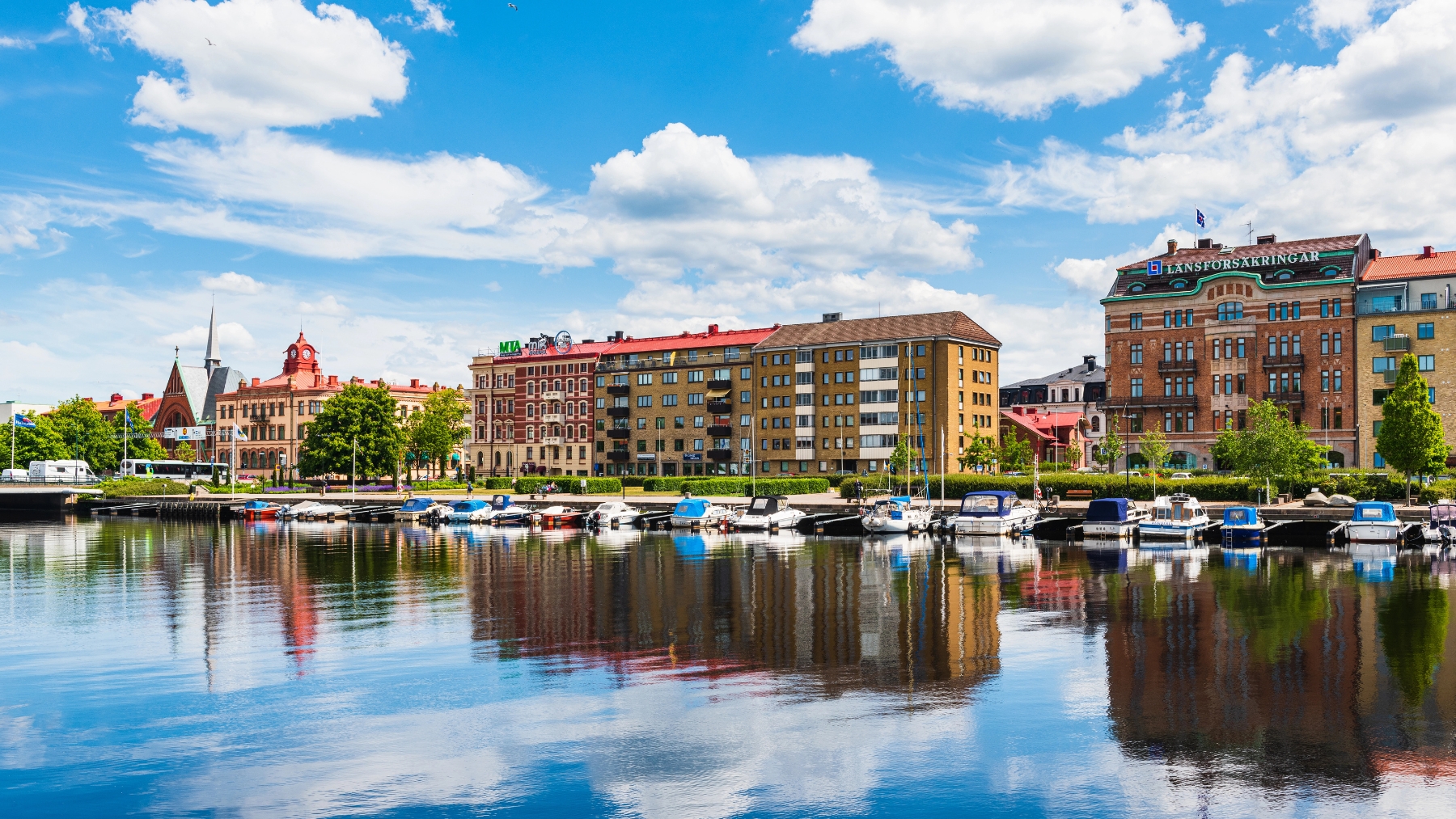
Set on Sweden’s west coast, Gothenburg (Göteborg in Swedish) works quietly well as a golf base in a way that only really becomes obvious once you start to map out how easily a trip comes together. Arriving through Gothenburg Landvetter Airport, you are within thirty minutes of the city and, more importantly, within easy reach of a group of courses that offer genuine variety without requiring long drives or complicated planning. Much of the golf sits either just outside the city or along the stretch of coastline that runs north and south, allowing you to move between rounds without needing to think too much about the logistics. The feel here is also slightly different to Stockholm; more relaxed, a little less structured, with the presence of the coast shaping both the landscape and the overall experience. For a short break, or as part of a wider west coast journey, Gothenburg is one of those places where things come together easily, leaving you to focus on the golf itself.
The Golf Around Gothenburg
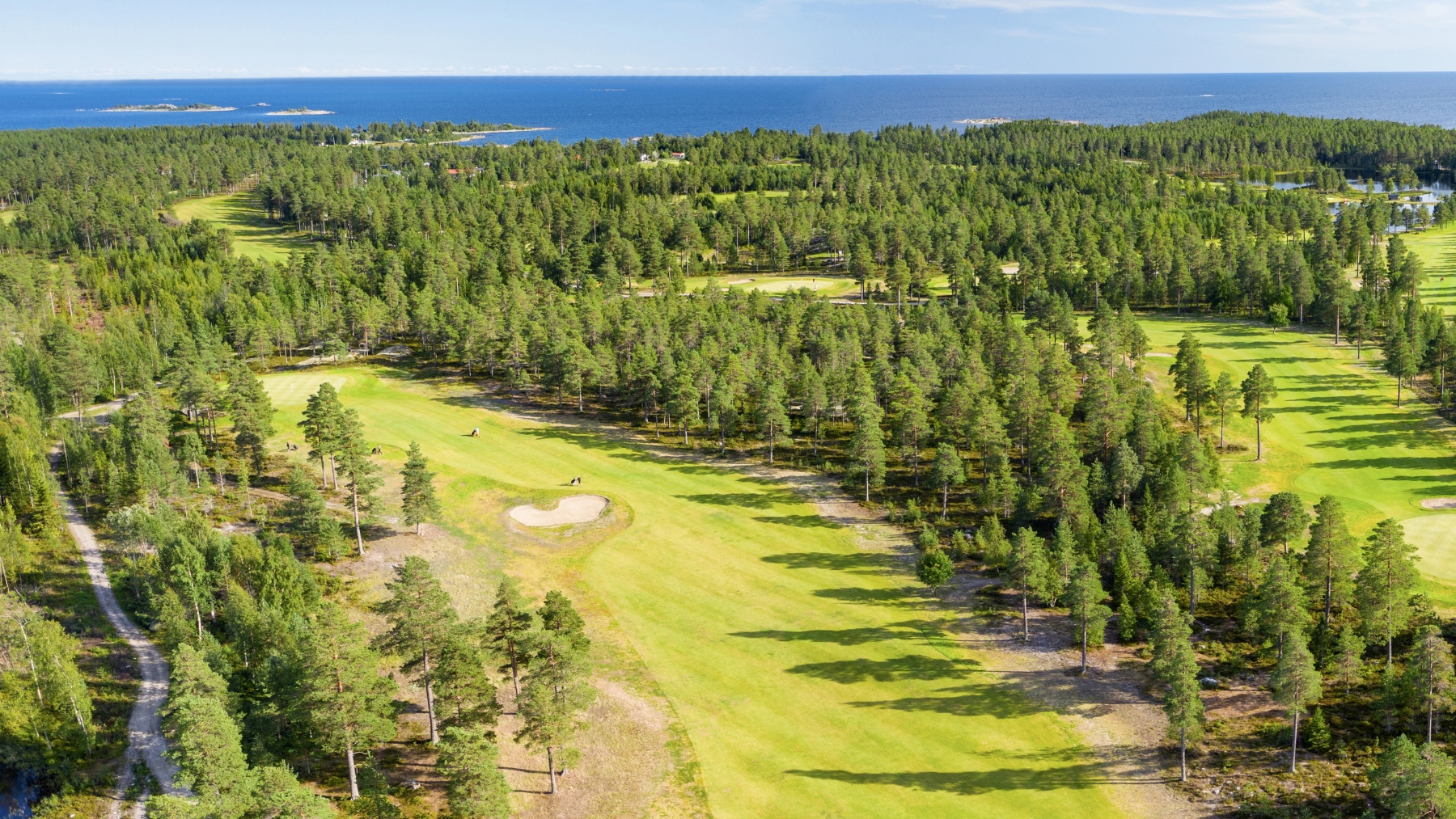
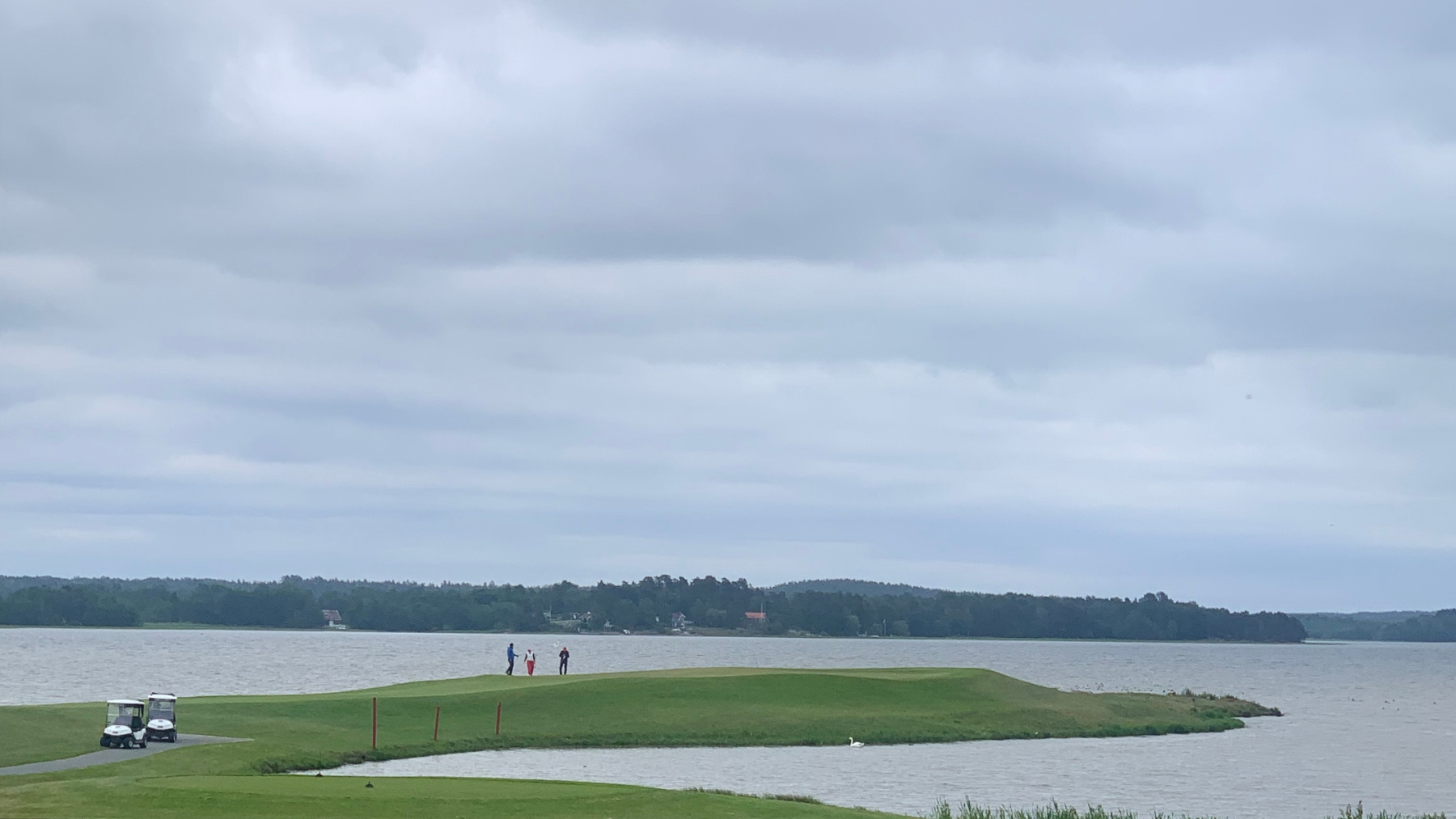
The golf around Gothenburg is not built around one headline course, but around a group of layouts that offer different tests within a short distance of each other. That variety is what makes the area work. You can play two or three rounds here and feel like you’ve seen genuinely different types of golf rather than variations of the same thing.
To the south of the city, a traditional parkland course, Gothenburg Golf Club reflects the longer history of the game in this part of Sweden. The routing is straightforward and easy to follow, with holes shaped more by tree lines than hazards. Position from the tee is key; being on the correct side of the fairway consistently opens up better angles into greens that are subtle rather than dramatic. It is not a course that relies on length, but one that rewards control and awareness throughout the round.
Also to the south, at Hills Golf & Sports Club, a modern, high-profile championship layout, the experience is much more direct. Elevation changes are constant, and several tee shots require commitment to a line without always revealing the full landing area. The bunkering is bold and positioned to influence decisions rather than simply punish mistakes. Having hosted professional events, it carries a level of challenge that is noticeable, particularly from the back tees, while still remaining playable from shorter options.
Closer to the centre, Delsjö Golf Club is a forested parkland course offering a more contained and controlled round. Holes are framed by trees, and accuracy from the tee tends to matter more than distance. It is a course that asks you to build each hole properly, placing the ball to give yourself a clear next shot, rather than recovering from poor positions. It is also one of the more consistently enjoyable rounds in the area, precisely because of that balance.
To the north-east of the city, Lerjedalens Golf Club, a heathland-style course, brings a different feel again. The terrain is more open, with fewer trees and greater exposure to the wind. The ground is more varied, and shots need to be controlled through the air, particularly on longer holes where the wind becomes a factor. It feels less contained than the courses closer to the city, and as a result, slightly less predictable depending on the conditions.
Further south, and well worth the short drive, Vallda Golf & Country Club is a modern coastal course and one of the highest-ranked in Sweden. Having hosted the Volvo Car Scandinavian Mixed, it combines strong presentation with a layout that rewards decision-making. From the tee, there are often multiple options, with more aggressive lines offering better angles into greens that demand precision. It is a course that feels complete, balancing challenge and playability in a way that stands out within the wider group.
Taken together, these courses give a clear sense of what the area offers, but they are far from the only options. Other strong layouts such as Kungsbacka Golf Club and Sankt Jörgen Park Golf Club add further depth within easy reach of the city. If you are prepared to travel a little further, the range expands again, most notably with both courses at Halmstad Golf Club, widely regarded as among the best in the country. It is that breadth of choice, rather than any single standout, that defines golf around Gothenburg.
Where to Stay
Where you choose to stay in Gothenburg depends largely on how you want the trip to feel, but for most, a central base works best. The city is compact and easy to navigate, and staying in or around the centre allows you to combine early rounds with evenings that feel part of the trip rather than an afterthought. Hotels such as Hotel Pigalle and Clarion Hotel Post are well positioned for this, offering comfortable bases within easy reach of both the courses and the main areas for food and drink. It is a setup that works particularly well if you are playing a mix of courses across different parts of the city.
For those who prefer to focus more directly on the golf, staying closer to the courses can work just as well. Options like Sankt Jörgen Park, located just outside the centre, place you nearer to several of the stronger layouts and make early starts or back-to-back rounds feel more straightforward. It shifts the emphasis slightly, with the days built more around the golf itself, but for shorter trips or golf-focused itineraries, that can be a real advantage.
There is also a middle ground. Hotels such as Radisson Blu Scandinavia Hotel, Gothenburg, close to key transport routes and the central station, allow you to move easily between the city and the surrounding courses without committing fully to either. That flexibility is part of what makes Gothenburg such an easy place to plan. For groups or longer stays, apartment rentals through platforms such as Airbnb are also widely available, particularly in the central districts. Wherever you choose to stay, the balance between accessibility and atmosphere is what defines the experience here.
Out and About in Gothenburg
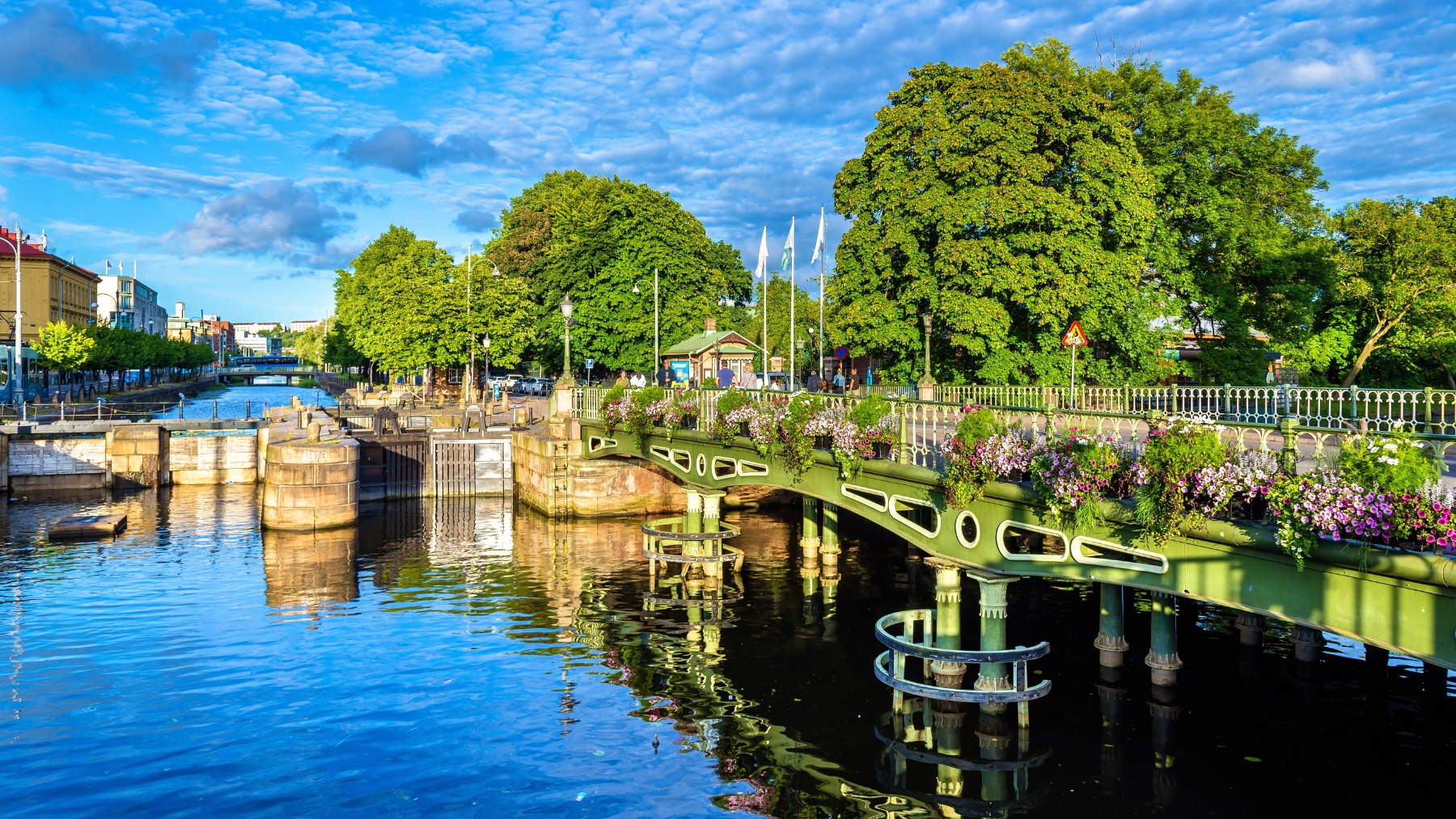
Time in Gothenburg between rounds is less about filling an itinerary and more about having a few easy options that sit naturally alongside the golf. The city is built around water, and much of what you end up doing tends to revolve around that. A walk through Haga, with its older streets and cafés, is an easy place to start, while the stretch along the harbour towards Lilla Bommen gives a clearer sense of the city’s connection to the sea.
Food and coffee tend to anchor the day. Gothenburg has a long-standing reputation for seafood, and places like Fiskekrogen or Sjömagasinet offer something more established after a round, while the Feskekôrka fish market provides a more casual option earlier in the day. Coffee, though, is just as much a part of the experience. Stopping for a fika between rounds or after a morning tee time is built into the culture here, and cafés such as da Matteo or Alkemisten Kaffebar are the kind of places you naturally drift towards without needing to plan.
If you have time away from the course, the Gothenburg Archipelago is close enough to make sense for a half-day trip, with ferries running regularly from the city, offering a different perspective on the same coastal landscape that shapes many of the courses. Closer to the centre, Liseberg, the largest amusement park in the Nordic region and one steeped in history, provides something different again. While it may not be the focus of a golf trip, it adds another dimension, particularly in the summer months when it stays open late into the evening.
Beyond that, there is no real need to overcomplicate things. Gothenburg works best when you keep it simple, letting the golf set the structure and the city fill in the spaces around it.
Trip Logistics
A typical trip to Gothenburg works best over two or three days. If you are arriving via Gothenburg Landvetter Airport, an afternoon tee time on the day of arrival is usually realistic, particularly at one of the courses closer to the city, such as Delsjö Golf Club or Sankt Jörgen Park. That allows you to settle in without feeling rushed, with the evening left open back in the centre.
The second day is where the trip tends to take shape. An earlier start gives you access to one of the stronger layouts in the area, such as Hills Golf & Sports Club or Vallda Golf & Country Club, followed by time back in the city in the afternoon and evening. That balance between time on the course and time in the city is one of the strengths of a trip here.
If you have a third day, it is worth using it for a different style of course, ideally one that contrasts with what you have already played, for example Gothenburg Golf Club or Lerjedalens Golf Club, before heading back towards the airport. With most courses sitting within a manageable drive, it is easy to build a trip that feels full without becoming overly structured.
Final Thoughts
In the end, Gothenburg is not a destination that tries to overwhelm you. It doesn’t rely on one standout course or a single defining feature, but instead offers a combination that works quietly well when put together. The golf is varied, the city adds just enough around it, and the overall experience is easy to shape into something that suits your own pace. Whether as a short break on its own or as part of a wider journey along the west coast, it is a place that leaves you with the sense that the trip worked exactly as it should have.