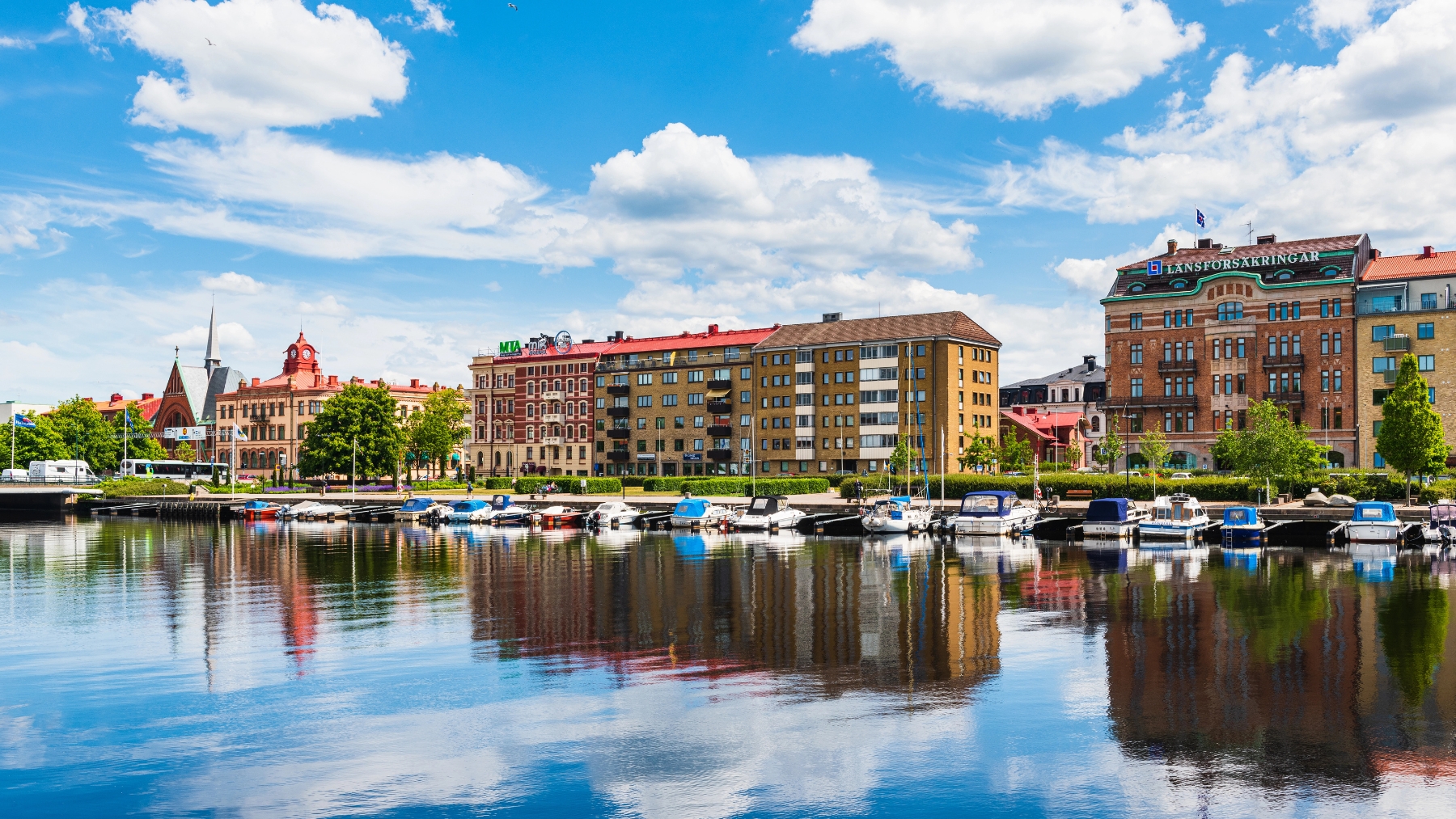
The Golf Coast of Sweden: Halland
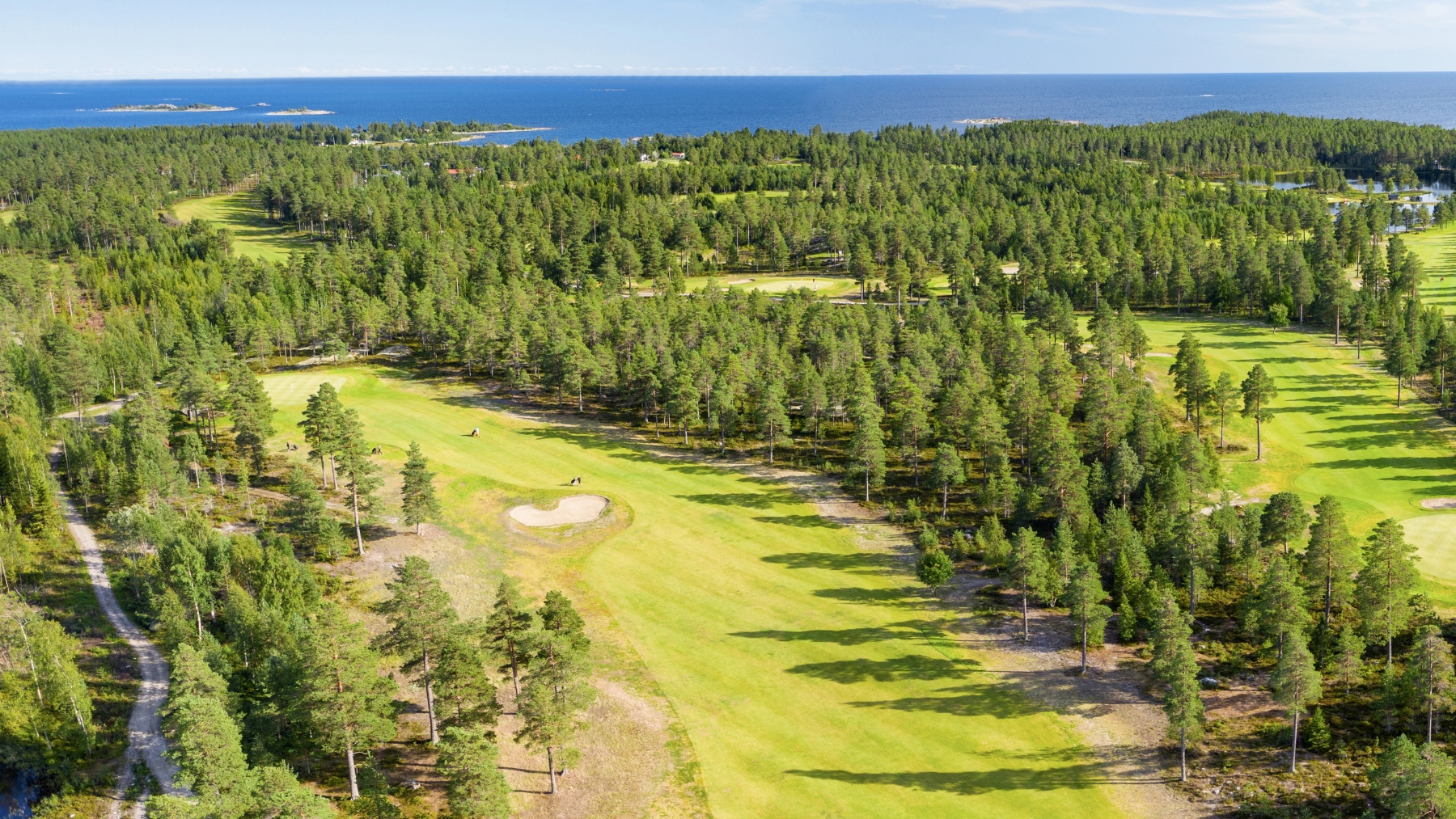
Set along Sweden’s west coast, stretching between Gothenburg and the northern edges of Skåne, Halland is one of the most naturally complete golf regions in the Nordic countries. It is not built around a single city or a single course, but around a coastline that shapes how the golf is played and experienced. The Kattegat sits to the west, open and constant, with long sandy beaches running alongside a landscape that shifts between exposed links-style ground, pine forest, and softer inland terrain.
Halland is simple to understand quite quickly. Towns are smaller, distances are short, and the focus naturally settles on the rhythm of the day rather than any one destination. In the summer months, when the light stretches long into the evening and the coast is at its most active, it becomes one of the most enjoyable places to base a golf trip in Sweden. The golf fits easily into that setting rather than sitting apart from it. You are rarely more than 30 minutes from the next course, the coast, or somewhere to stop.
The Golf in Halland
Golf in Halland is defined by variety within a relatively tight stretch of coastline. You are not travelling long distances between rounds, but you are seeing different styles of course, shaped by how close they sit to the sea and how the land has been used.
At the centre of the region sits Halmstad Golf Club, and it remains one of the most important courses in Sweden. With two courses on site, it offers both scale and depth, but it is the North Course that carries the greater reputation. Set through pine forest and across gently rolling ground, the course relies heavily on positioning from the tee. Fairways are often framed rather than narrow, but angles into the greens dictate how aggressive you can be. The routing builds steadily, asking for control rather than forcing decisions too early, and the conditioning reinforces that consistency throughout the round. It rewards patience and familiarity, and sets a high benchmark for the region.
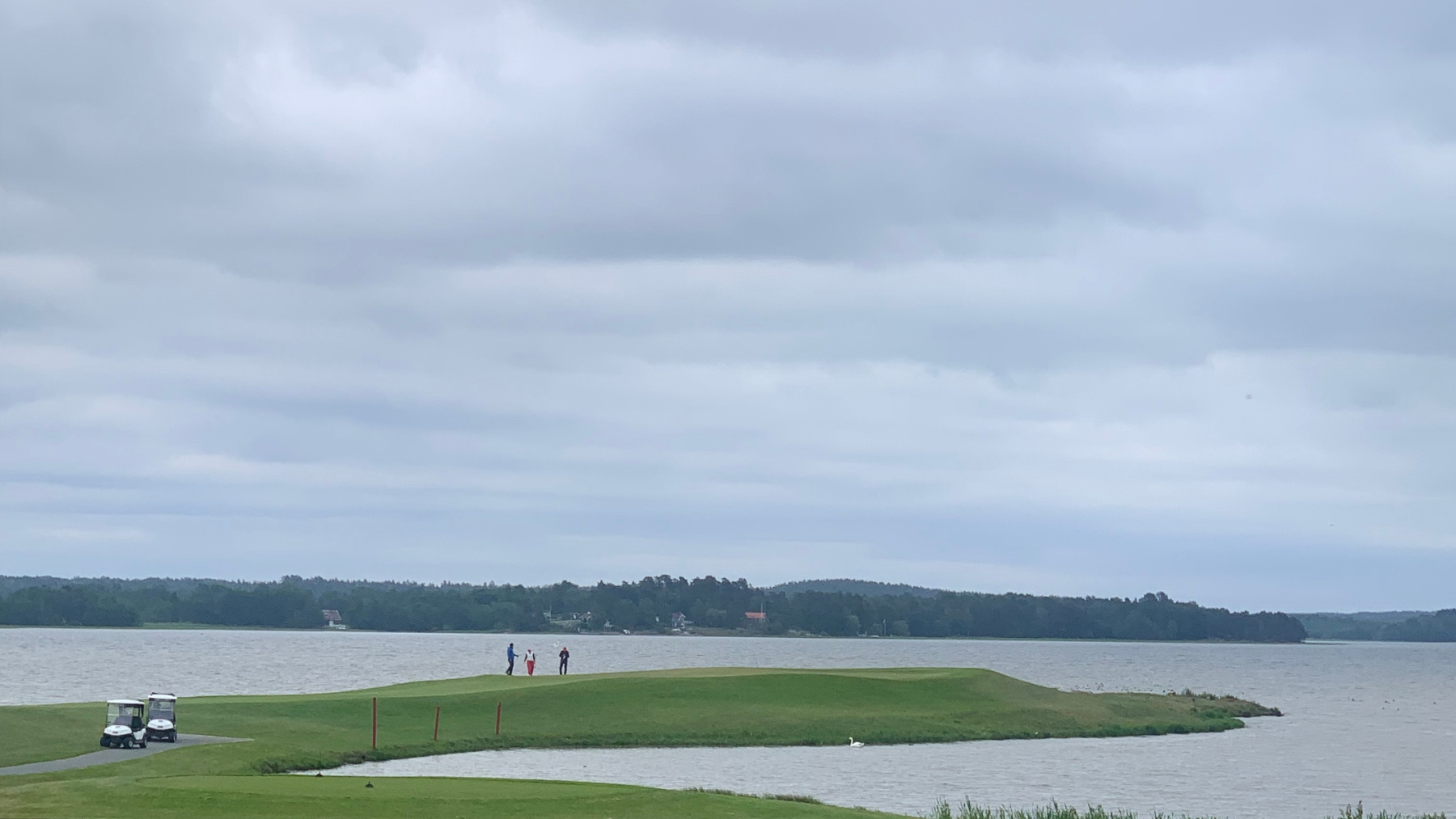
A short distance away, Ringenäs Golf Club shifts the emphasis closer towards the coast. Here, the influence of the sea becomes more visible, both in how the course sits in the landscape and how it plays. The terrain is more open, with wider views and a greater exposure to wind. From the tee, there is often more room, but the challenge comes in controlling ball flight and positioning into greens that are shaped subtly rather than dramatically. It is not a pure links course, but it moves in that direction and gives a different type of test to Halmstad while still feeling connected to it.
Further north, Varberg Golf Club adds another layer. With two courses, East and West, it offers flexibility, but it is the West Course that defines the experience. Set on more exposed ground closer to the coastline, it introduces a more direct challenge. Wind becomes a consistent factor, and from the tee you are often asked to commit to a line rather than work your way through the hole. The greens are more open in places, but positioning still matters, particularly when conditions begin to shift. It feels more exposed, and that contrast gives it a clear place within the group.
Falkenberg Golf Club brings a slightly different feel again. Set just inland from the coast, the course moves through flatter ground, with water and shaping playing a more consistent role. It is less immediately dramatic than some of the others, but it rewards solid, controlled golf throughout. From the tee, decisions are clear, but the challenge builds through approach play and around the greens, where positioning becomes more precise. It fits well into the overall mix, adding a slightly more controlled test to the variety of the region.
Taken together, these courses define golf in Halland. There is no single dominant style, but a group of layouts that reflect their position along the coast, each asking slightly different questions. What ties them together is how easily they can be combined. Distances are short, transitions are simple, and the variety across the courses allows you to build a trip that feels complete without needing to extend it beyond the region.
Where To Stay
Where you stay in Halland shapes the trip more than in the cities, simply because the region is more spread out. Rather than a single central base, it is usually better to position yourself somewhere along the coastline, within easy reach of multiple courses. Halmstad works as the most natural anchor point, particularly if you are building the trip around Halmstad Golf Club. Hotels such as Hotel Tylösand offer a higher-end option with a direct connection to the beach, while more central options in town provide a simpler and more flexible setup. From here, you can move easily both north and south along the coast without needing to rethink the structure of the trip.
Further up, Varberg offers a slightly different feel, a little more contained, but with a strong coastal presence and a town centre that works well in the evenings. It places you closer to Varberg Golf Club while still keeping the rest of the region within reach, making it a strong alternative base. For something more relaxed, smaller hotels, guesthouses, and coastal stays are widely available throughout Halland, often sitting closer to the landscape itself and offering a more understated way to structure the trip, particularly in the summer months.
For groups, longer stays, or those wanting more flexibility, Airbnb is often the best option. Renting a house or apartment along the coast allows you to settle into the rhythm of the area more naturally, with space to move between golf, the beach, and the surrounding towns without needing to pack and unpack each day. It also works well if you are travelling with others, giving you a base that feels part of the trip rather than just somewhere to stay.
As with the golf, there is no single correct choice. The strength of Halland lies in how easily everything connects, allowing you to stay in a way that suits the balance you want between golf, coastline, and the wider experience.
Out and About in Halland
Time away from the course in Halland is shaped by the coastline. The beaches are long, open, and accessible, and in the summer they become a natural part of the day. Tylösand, just outside Halmstad, is the standout, with a wide stretch of soft sand and open views that give a real sense of space. It is the kind of place that fits easily before or after a round rather than something you need to plan around.
Halmstad itself adds another layer that is easy to overlook. The town has a strong connection to art, most visibly through the public sculptures that sit naturally within it, including original works by Pablo Picasso. It gives the place a slightly different feel from other coastal towns without pulling focus away from the wider experience. Beyond that, the pace of the region remains understated. Coastal towns offer simple restaurants, cafés, and places to sit rather than a defined list of things to do, and evenings tend to settle into something relaxed, shaped more by the light and the setting than by any one destination.
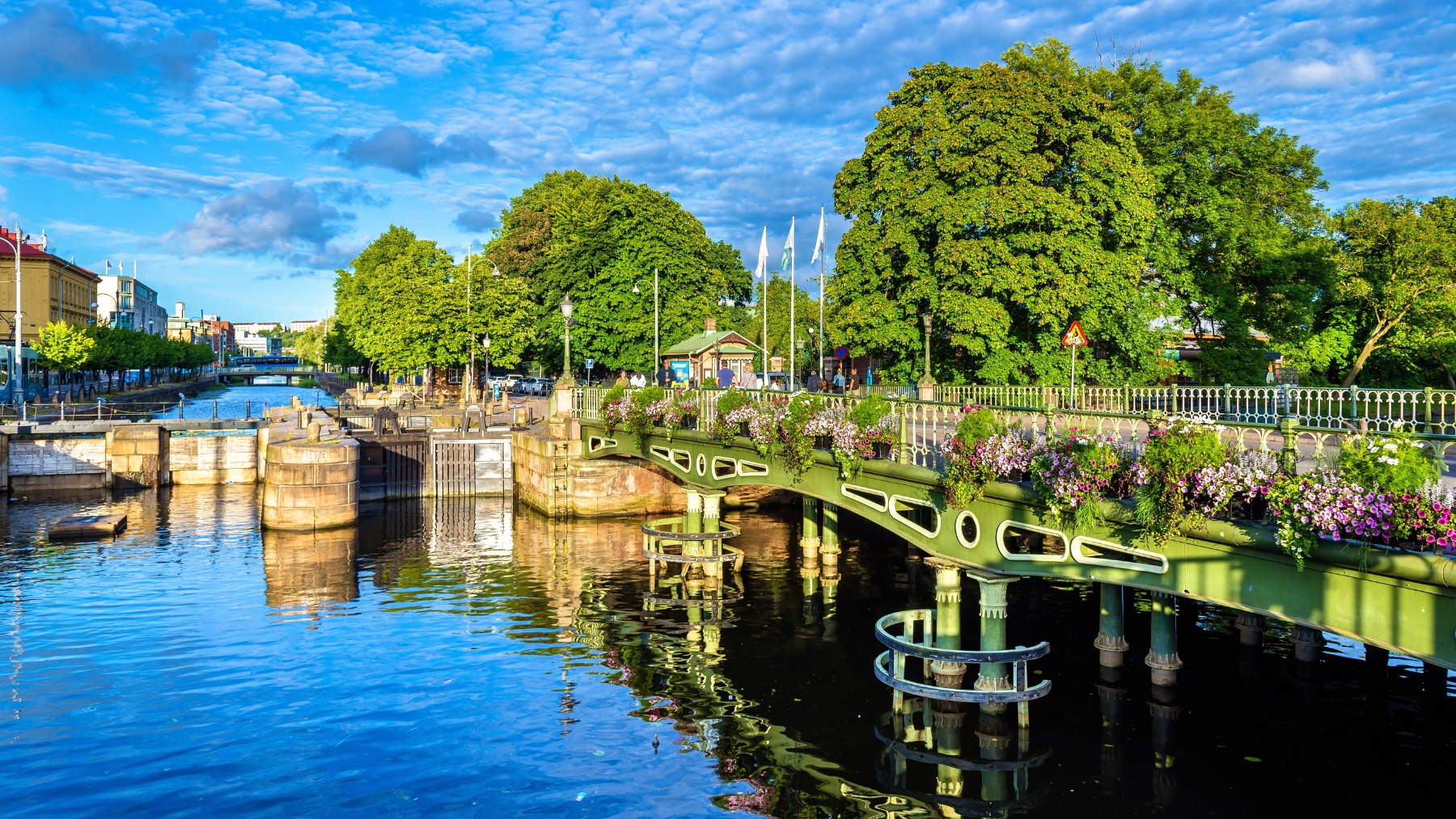
If you do want to step outside that rhythm, Gothenburg sits just over an hour to the north and works easily as a change of pace. At the same time, the landscape opens up inland, and within a short drive you reach places like Danska Fall Naturreservat, where the terrain shifts quickly into forest, rock, and flowing water. It is a quieter, more enclosed environment, but close enough to fit naturally into the same day.
As with the golf itself, there is no need to overcomplicate things. Halland works best when you let the setting fill the space around the rounds.
Trip Logistics
Halland works best as a driving trip, and in many ways it is one of the easiest regions in Sweden to structure properly. The coastline sits directly along the main coastal route between Gothenburg and Malmö, which means access is straightforward from either direction. If you are arriving via Gothenburg, you can be into the northern part of the region in around an hour, with Varberg and Falkenberg coming first, before reaching Halmstad further south. Approaching from Malmö works just as well, bringing you into the southern end of the region with the same sense of flow moving north.
Because everything sits along this corridor, the trip can be structured cleanly without needing to double back. A typical two to three day stay might start in the north with Varberg Golf Club, move down through Falkenberg, and then centre around Halmstad Golf Club and Ringenäs, allowing you to play different styles of course while naturally working your way along the coast. Distances between courses are short, rarely more than 30–40 minutes, which means you can play in the morning and still have time back at the coast or in town without the day feeling rushed.
Car hire is essential here. While the infrastructure is good, public transport does not connect the courses in a way that makes a golf trip easy to manage. Having your own car gives you full control over tee times and allows you to adjust the plan as conditions change, particularly with coastal wind playing a role on some of the more exposed courses.
In practical terms, Halland is less about complex planning and more about getting the sequence right. Once that is in place, everything else tends to fall into line.
Final Thoughts
Halland does not rely on a single standout moment. It is not built around one course or one destination, but around a stretch of coastline where the pieces fit easily together. The golf is strong and varied, the distances are manageable, and the setting adds something that sits naturally alongside the rounds.
It is, in many ways, one of the most complete golf regions in Sweden. Not because it is the most dramatic or the most famous, but because it is consistent. The courses, the landscape, and the overall experience align in a way that makes the trip feel straightforward, balanced, and easy to return to. If anything, it is a place where you can comfortably do more than you expect, and where even something like playing both courses at Halmstad in the same day, if energy levels allow, feels entirely realistic rather than excessive.