Introducing Gotland
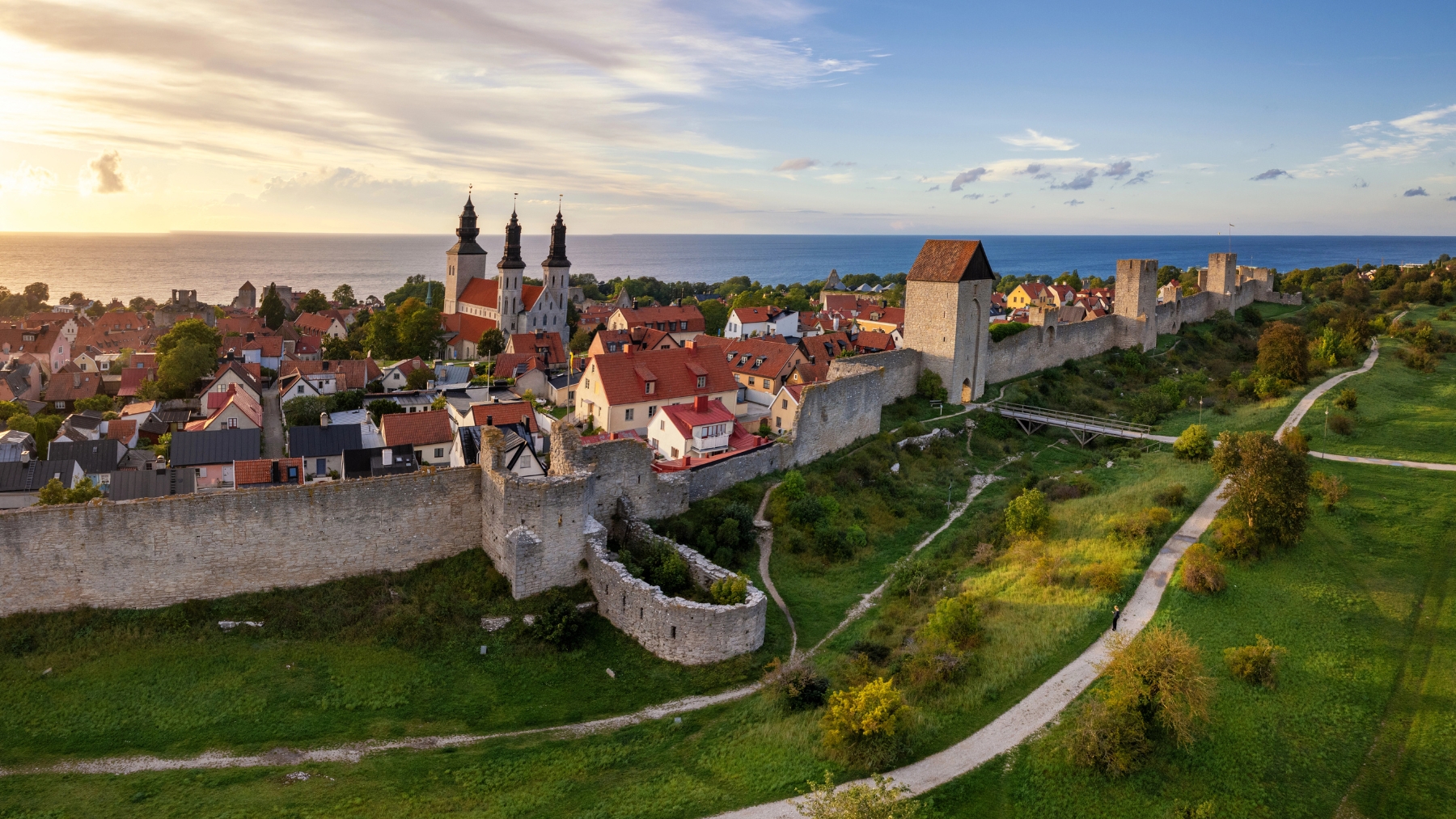
Set out in the Baltic Sea, off Sweden’s east coast, Gotland feels distinct from the mainland almost immediately. The crossing itself, whether by air or ferry, creates a natural separation, and once you arrive, the pace and character of the island shift noticeably. At its centre sits Visby, a medieval town defined by its preserved city walls, narrow streets, and its position right on the edge of the sea. It is one of the most recognisable settings in Sweden, but it still feels lived in rather than overly curated for visitors, with many Stockholmers spending much of their summer here. That balance sets the tone for the island as a whole.
Gotland is shaped both by its history and its landscape. It has been garrisoned in some form since the 13th century, and its coastline is long and exposed, with stretches of open water, limestone formations, and light that shifts constantly through the day. Inland, the terrain softens into forest and farmland, but it is the coastal edges that tend to define how the island feels. In the summer months, when the days stretch late into the evening, that setting becomes a central part of the experience, with the rhythm of the day following the light more than the clock. However, for all its sense of calm, Gotland remains of significant strategic importance to Sweden and NATO.
As a golf destination, Gotland is built around quality rather than quantity. There are only a small number of courses, but what it offers sits at a very high level. The standout is Visby Golf Club, consistently ranked among the best courses in the Nordic region, and one that alone is enough to justify the journey. Around it, a small number of other courses provide contrast without diluting the overall standard, allowing you to build a trip that feels complete without needing to overextend it.
Access is straightforward. Flights into Visby run regularly from Stockholm, and the ferry from the mainland offers an alternative that fits naturally into the journey. Once on the island, distances are short and roads are quiet, making it easy to move between the different parts of Gotland without needing to plan too heavily. That simplicity is part of the appeal, allowing the focus to stay on the golf and the setting rather than the logistics.
Golf Around Gotland
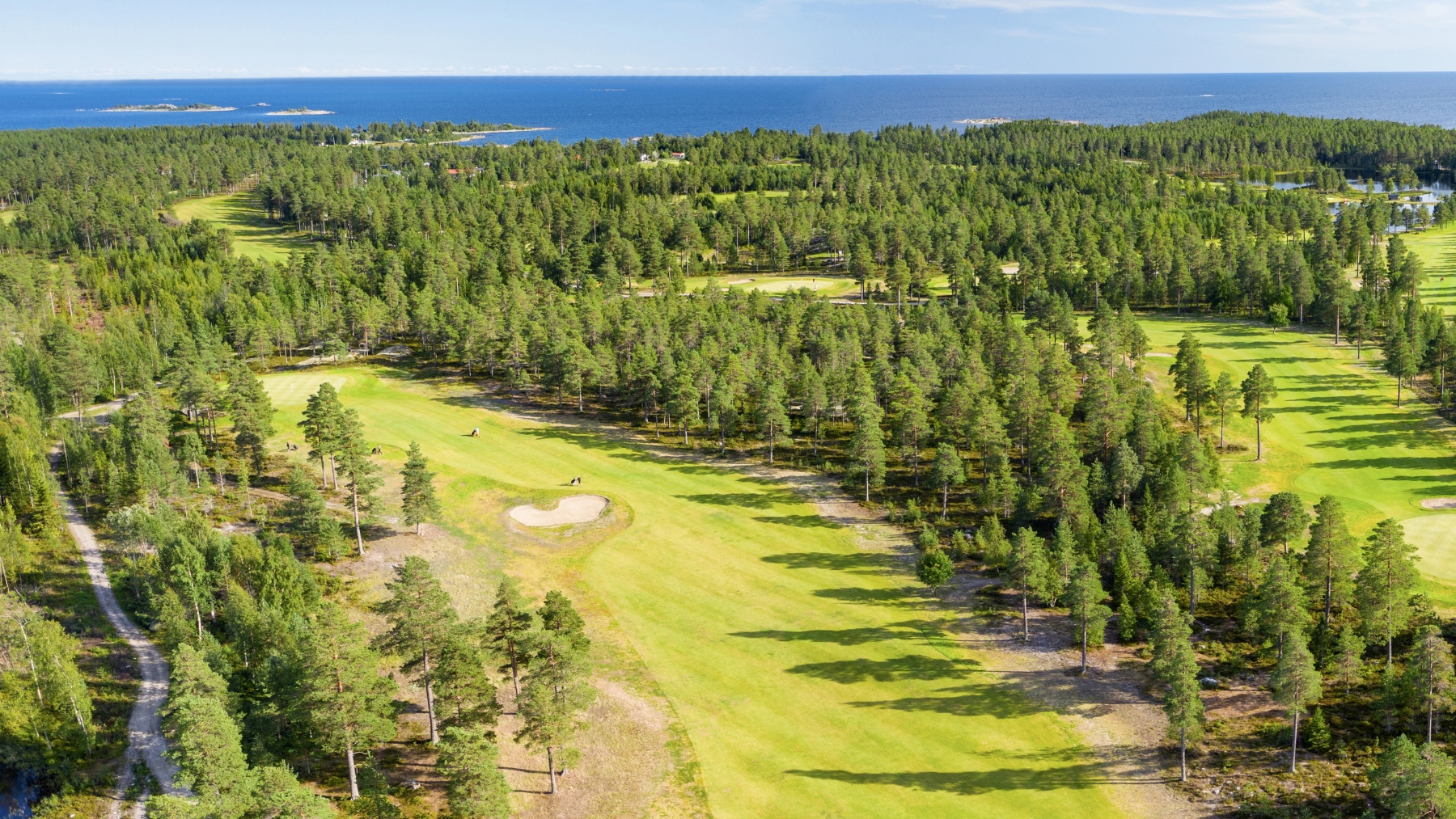
Golf on Gotland is built around Visby Golf Club, and in many ways the island revolves around it. Set on the west coast, the course sits directly alongside the Baltic, combining seaside and parkland holes across a routing that never feels forced. It is one of the few courses in the Nordic region that genuinely sits at that top level, not through scale alone, but through how complete the experience feels from start to finish.
The main course, known as The One, measures just over 6,300 metres from the back tees, but it is not defined by length. From the opening holes, there is space from the tee, but positioning quickly becomes the priority. The land moves subtly, and the wind plays a consistent role, influencing direction and club selection rather than simply adding difficulty. As the round develops, the routing shifts more directly towards the coastline, and this is where the course begins to separate itself.
The stretch along the water is what defines Visby. The views across the Baltic are constant, but they are not just visual. They influence how you play, particularly on approach shots where controlling flight and landing becomes more important than distance alone. The new 6th is a standout within this sequence, a par five that runs along the water’s edge and demands both careful decision-making and precise execution. It is the kind of hole that looks inviting, but quickly exposes anything less than full commitment.
The greens are varied and sit naturally within the landscape, requiring control without feeling overworked. Miss in the wrong areas and recovery is rarely straightforward, but it remains fair. The closing hole brings everything together, with an 18th that feels reminiscent of Pebble Beach, slightly shorter, but shaped in a way that places the sea firmly back into play and demands a composed finish.
Away from the main course, The Other One, the smaller 9-hole layout on site, adds another layer without trying to compete. It is more relaxed in nature, but still consistent in quality, and works well either as a warm-up or as a second round.
Beyond Visby, the rest of the golf on Gotland plays a supporting role, but still adds enough variation to make a trip feel complete. Gumbalde Golf Club, set inland, offers a more enclosed and structured test, moving through softer terrain with tree-lined holes and a more defined shape from the tee. Further north, Slite Golf Club provides a more understated, local feel, with a routing that sits lightly within the landscape and places more emphasis on control than it first appears.
Taken together, golf on Gotland is not about depth, but about clarity. Visby defines the destination, and the supporting courses provide just enough contrast to round out the trip. Distances are short, transitions are simple, and over a few days you can move between them without needing to force the structure.
Where To Stay
Where you stay on Gotland has a direct impact on how the trip feels, more so than in most destinations. The island is not large, but it is spread out, and while distances are manageable, the decision tends to come down to whether you want to base yourself in Visby or closer to the golf. For most, staying in or around Visby works best. The town provides the setting for the evenings, with its restaurants, bars, and general atmosphere, while remaining within a straightforward drive of Visby Golf Club.
Within Visby itself, Clarion Hotel Wisby is one of the more established options, set within the old town walls. Hotel St. Clemens offers a smaller, quieter alternative built around historic buildings and gardens, while Donners Hotell sits closer to the harbour with a slightly more modern feel. All allow you to step easily into the town in the evening, which is a big part of the experience on the island.
For those looking to place more emphasis on the golf, staying closer to Visby Golf Club is a strong option. The Stay & Play lodges on site are simple but functional, and make early starts and multiple rounds easy to manage. Rental houses along this stretch of coastline offer a more relaxed base, often closer to the landscape that defines the course.
Airbnb works particularly well on Gotland, especially for groups or longer stays. Renting a house just outside Visby or along the west coast allows you to settle into the rhythm of the island more naturally, balancing golf with time at the coast without needing to move around too much.
There isn’t really a wrong choice here. It depends on how you want the trip to feel. Staying in Visby gives you atmosphere and access, while staying closer to the course brings simplicity and focus. The distance between the two is short enough that either approach works.
Out and About in Gotland
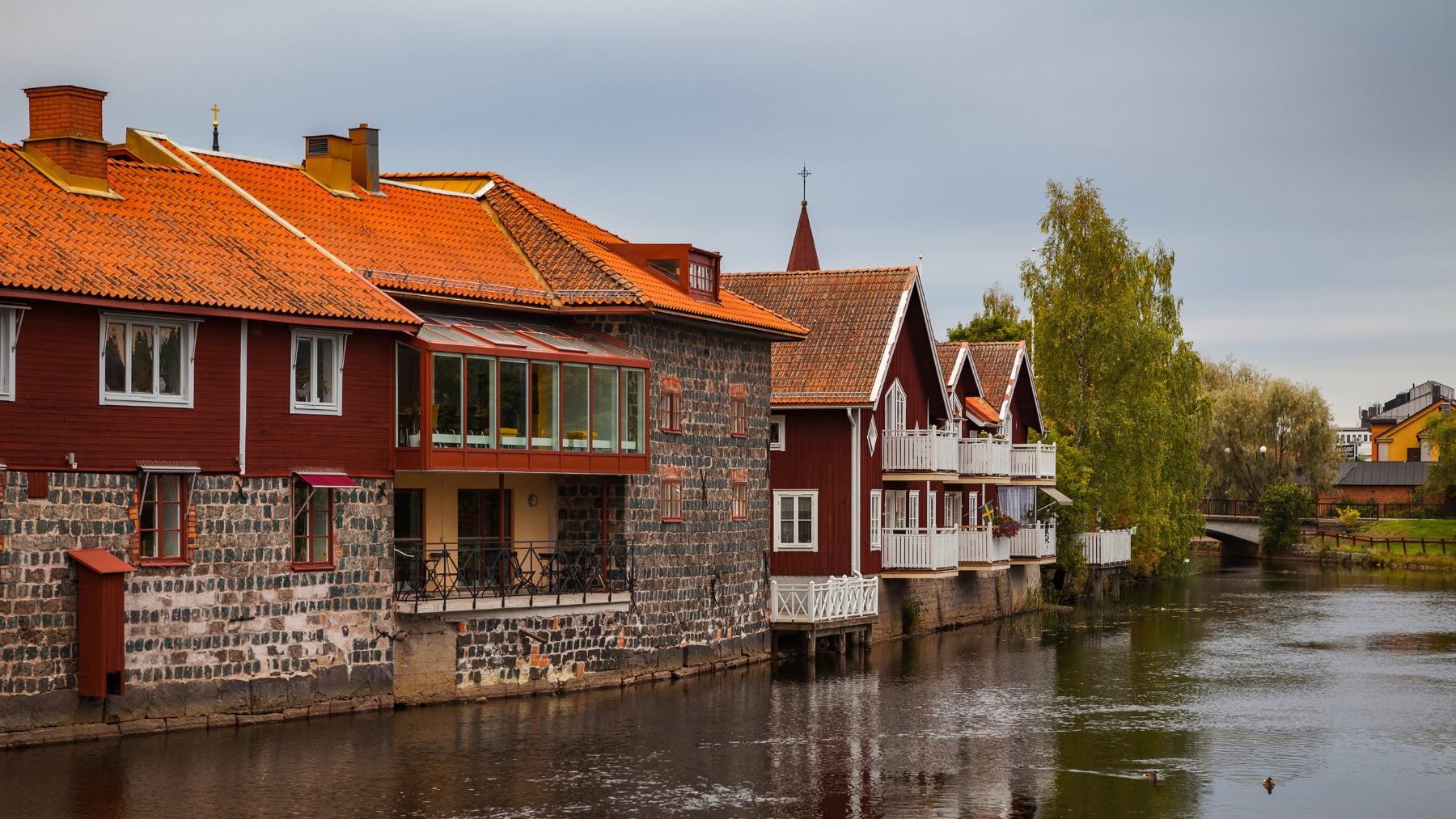
Time away from the course tends to centre around Visby, and it is here that most of the island’s character is felt most clearly. The town is compact, built within its medieval walls, and easy to move through on foot. Much of what you do comes from simply spending time in it rather than following a plan.
Walking sections of the walls gives a better sense of the place than anything more formal, while the harbour offers a more open contrast, particularly in the evenings when it becomes more active without ever feeling crowded. The connection to the sea is constant, and it shapes how the town feels as much as how it looks.
Food and drink fit naturally into the day. Bakfickan offers a more traditional, local feel, Surfers Visby brings something slightly different, and Crêperie & Logi sits somewhere in between and remains one of the more consistent options within the town walls. Much like elsewhere in the Nordics, the enjoyment often comes from places that are well executed rather than overly ambitious.
Beyond the town, the coastline becomes the focus. A short drive north towards Visby Golf Club brings you into more open ground, while further out, Fårö offers a more exposed landscape with sea stacks and a stronger sense of space. It is an easy addition if you have the time, but not something that needs to be forced in.
Trip Logistics
A trip to Gotland requires slightly more planning than a mainland destination, but once that is in place, everything becomes straightforward. Flights into Visby Airport run regularly from Stockholm and are the quickest way onto the island. The ferry from Nynäshamn or Oskarshamn offers a slower but more flexible option, particularly if you want to bring a car.
Having a car on Gotland makes a significant difference. While distances are not large, public transport does not connect the island in a way that works easily for golf. With your own transport, moving between the courses and around the island is simple and flexible.
Two to three days works well. Visby will naturally take priority, and it is worth allowing enough time to play it more than once if possible. The other courses can be added around that without needing to stretch the schedule. Tee times and accommodation in peak summer need to be booked ahead, as the island becomes significantly busier.
Once you are on Gotland, the logistics largely fall away. Distances are short, roads are easy, and the trip settles into a natural rhythm.
Final Thoughts
Gotland is not a destination built around volume. It does not offer a long list of courses or the depth of some larger regions, but that is not where its strength lies. Instead, it provides a more focused experience built around one of the standout courses in the Nordic region, supported by enough variation to make a trip feel complete.
Visby Golf Club alone gives the island a level of credibility that few destinations can match. It is a course that justifies the journey, and one that holds up over multiple rounds, which is ultimately what defines a strong golf destination. Around it, the rest of the island adds context rather than distraction, allowing the golf and the setting to sit naturally alongside each other.
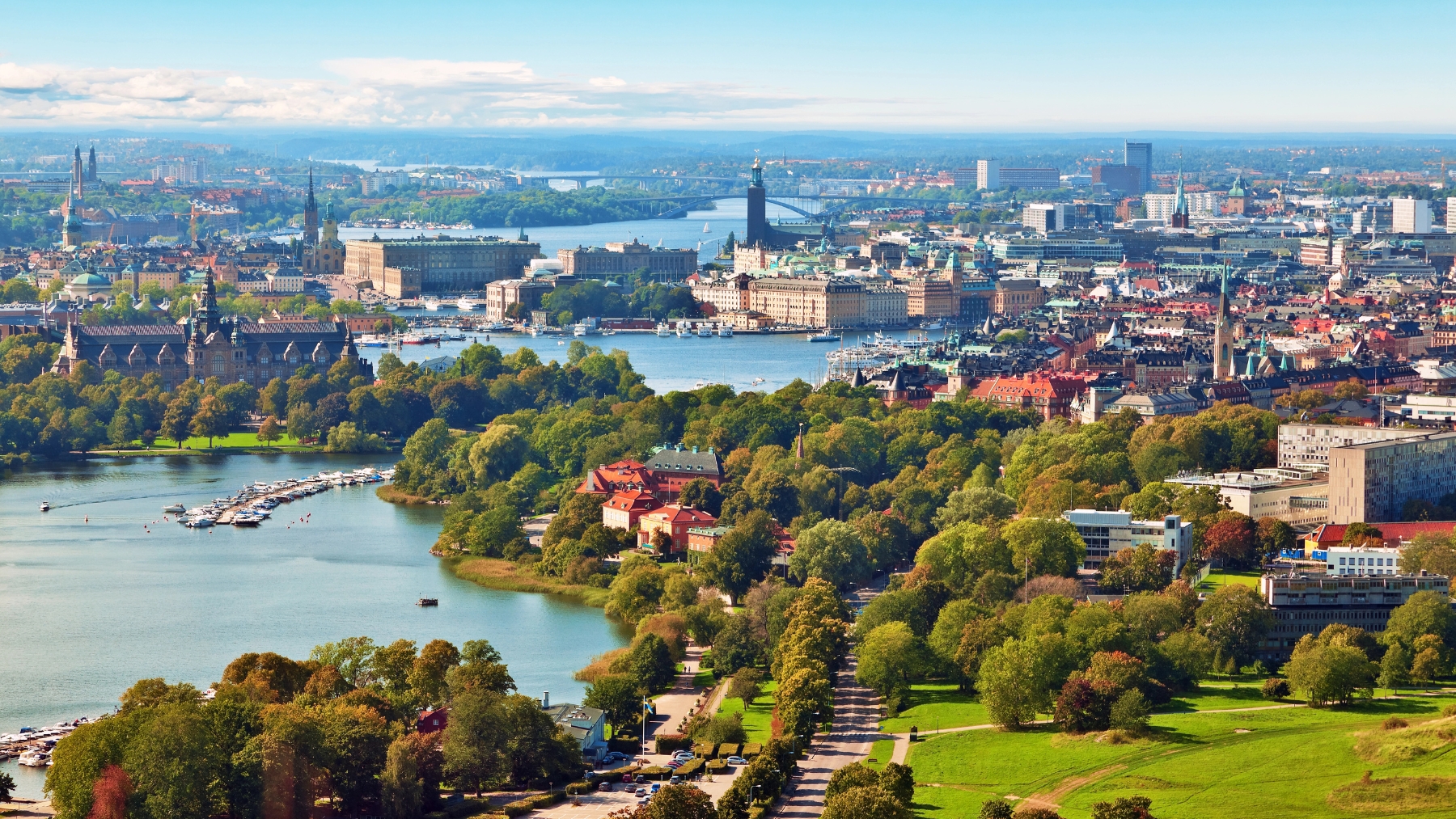
For those looking to build a trip around a single, high-quality course, Gotland makes a strong case. It works equally well as a standalone destination or as part of a wider Nordic itinerary, particularly when combined with Stockholm. It is, in the end, a place where less becomes more, and where the strength of the experience comes from how clearly everything fits together.