Introducing Stockholm
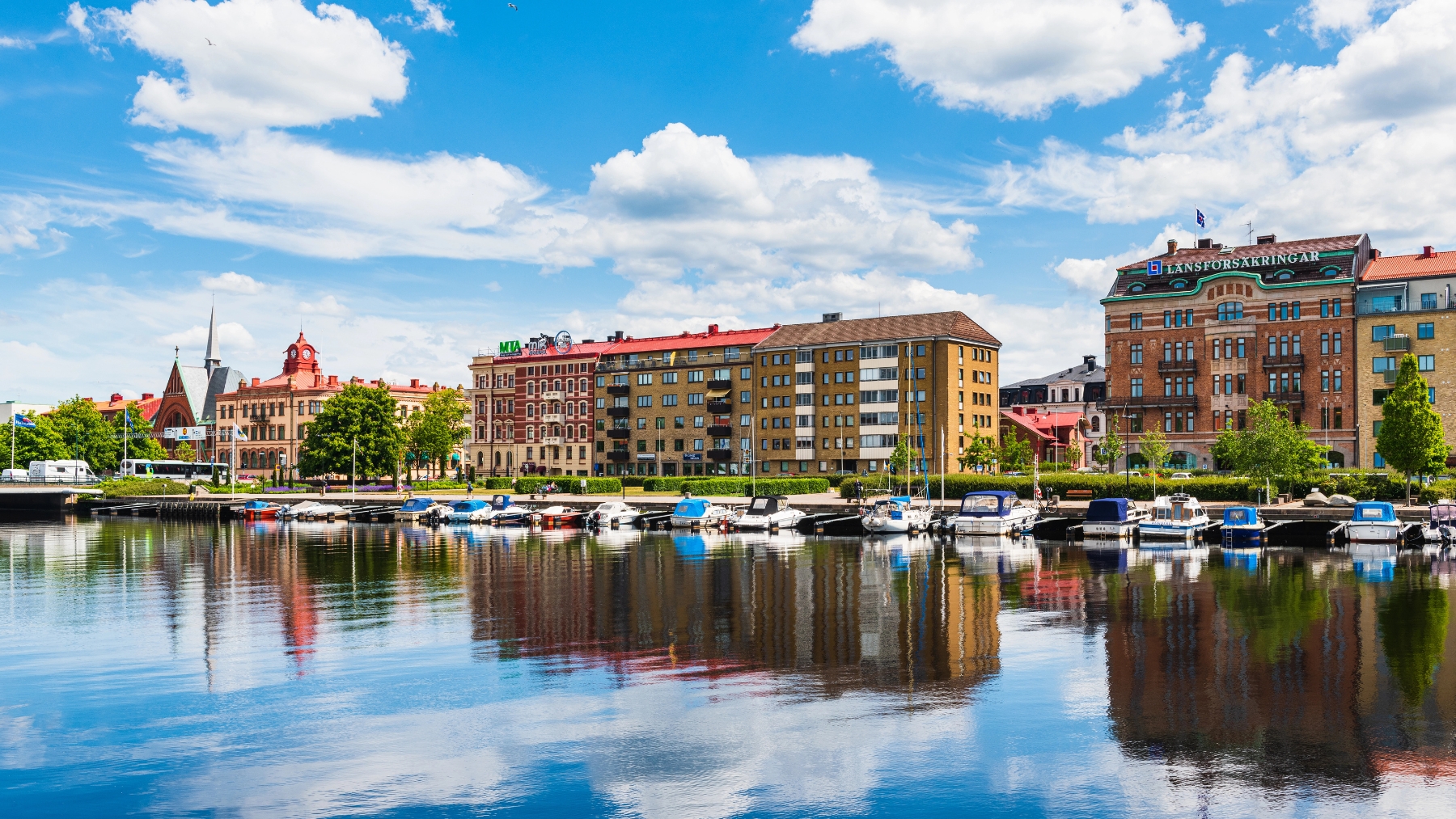
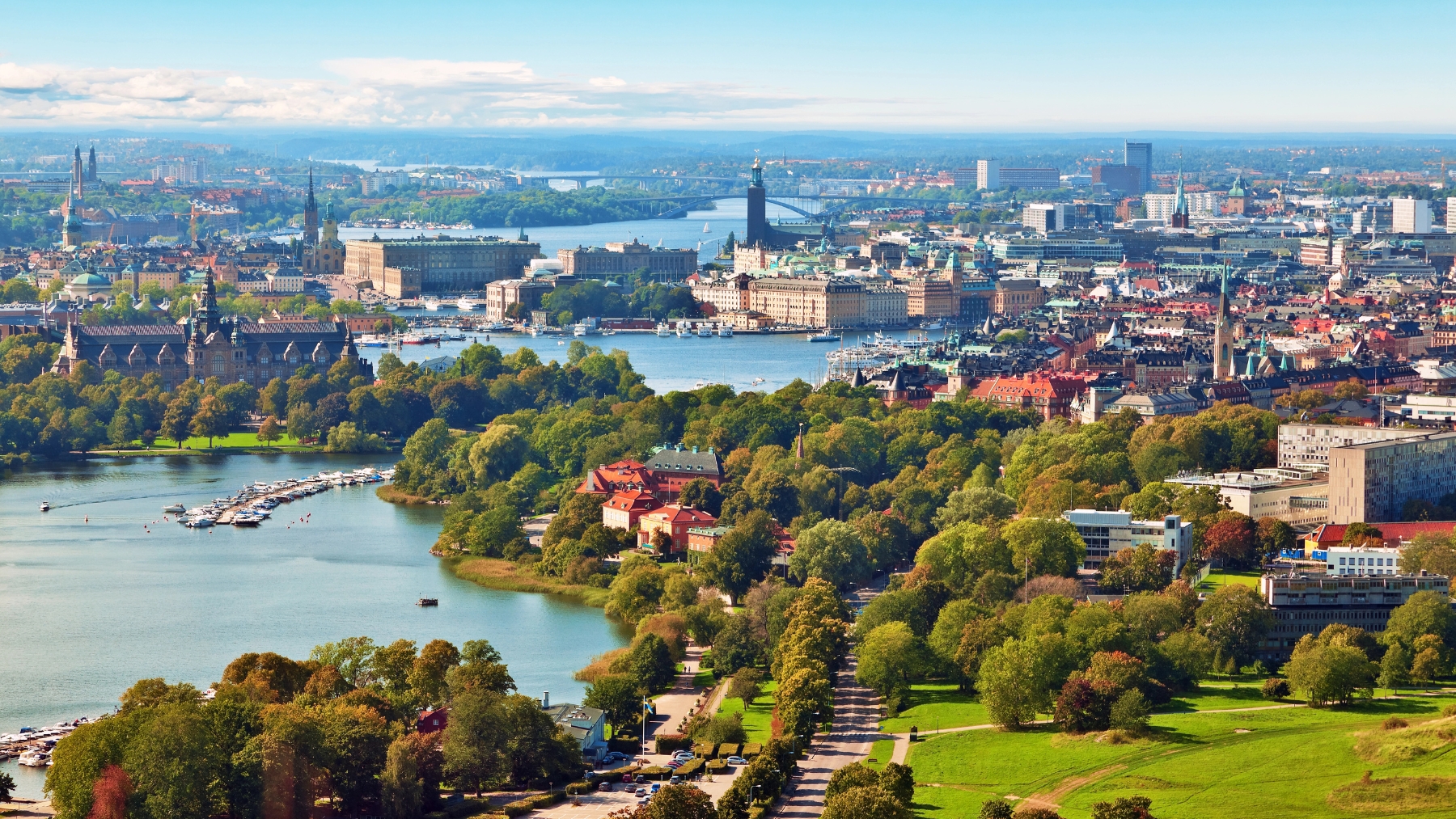
Stockholm, the capital of Sweden, is often spoken about as a centre point for the wider Nordic region. While that claim would be debated in Oslo, Helsinki, Copenhagen, and Reykjavik, as the largest city in the region, it is not without foundation. Founded in the 13th century, the city developed as a key Baltic trading hub and has grown across fourteen islands. The surrounding archipelago extends to well over 30,000 more, and that relationship with water continues to define Stockholm, shaping both its structure and its identity. At its core sits Gamla Stan, the historic old town, around which the modern city has developed into one of Europe’s more distinctive capitals. The transport network is excellent, extending across land and water, with ferries sitting alongside buses and the underground railway as part of how the city functions day to day.
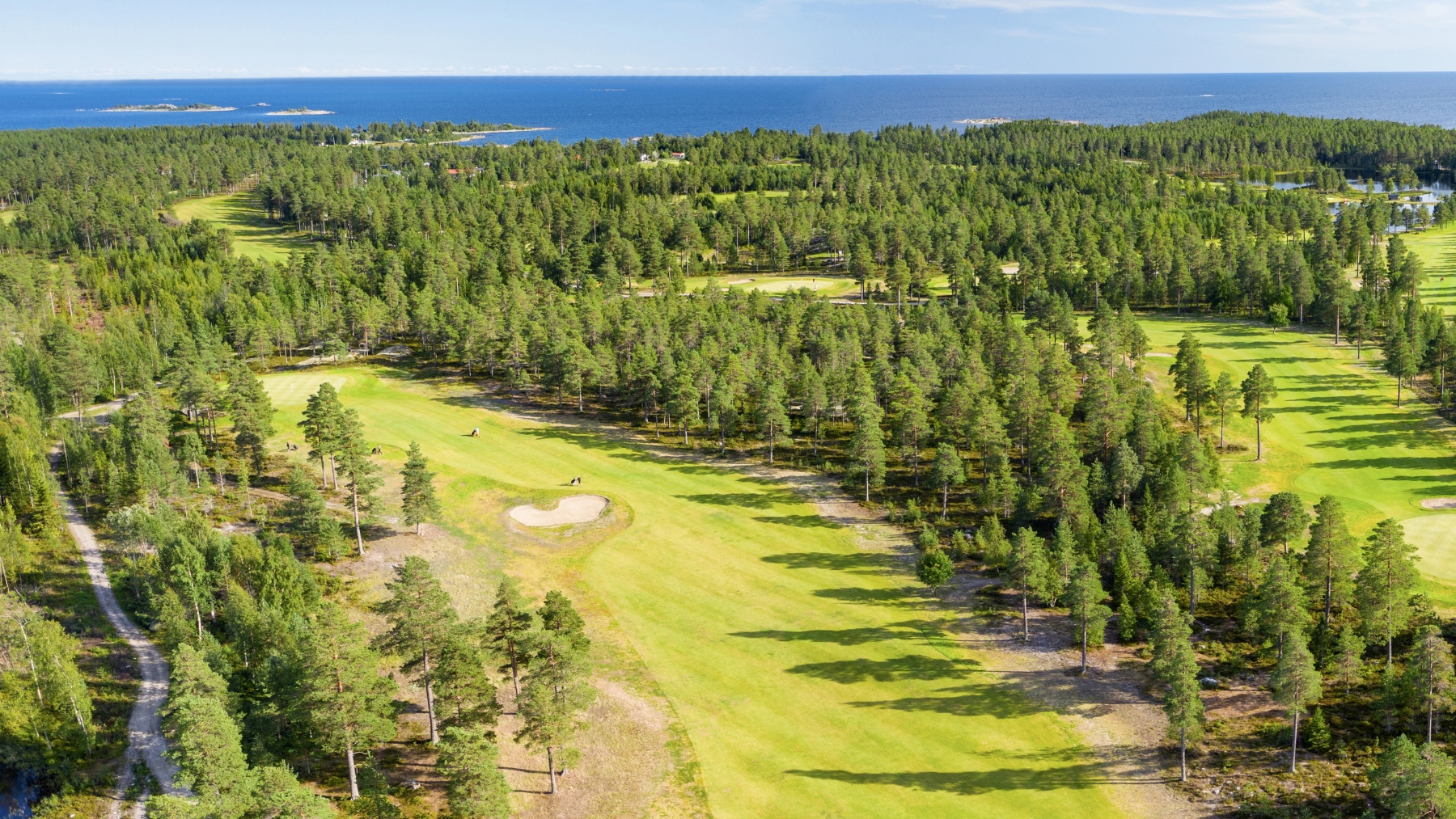
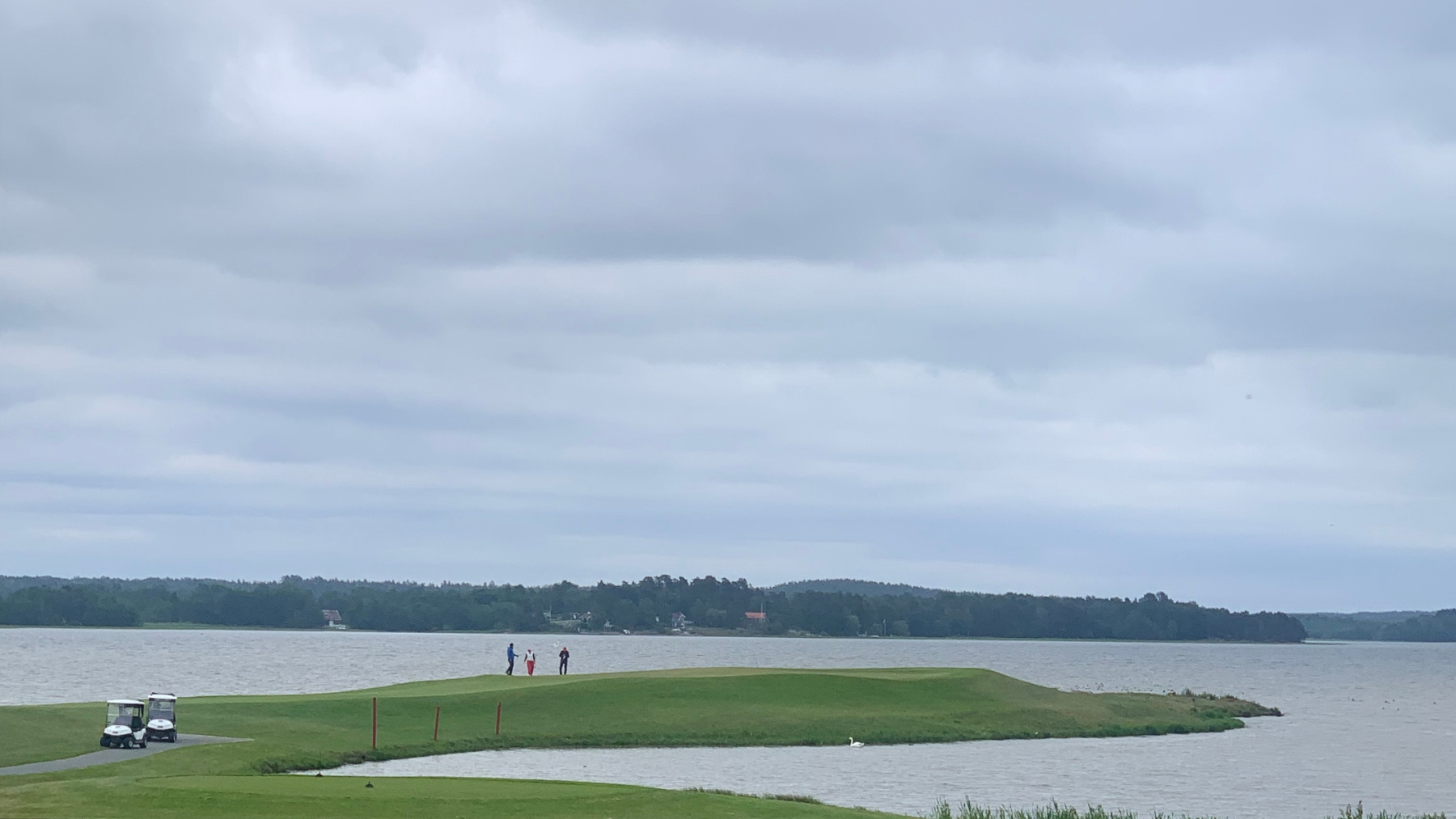
While Stockholm is not often thought of as a golf destination, it probably should be. Of the Nordic capitals, it offers the strongest and most varied concentration of golf within reach of the city, with a depth that is not immediately obvious until you begin to look more closely. What makes it different is how that golf is arranged. Very little of it sits within the city itself. Instead, the courses spread out across the wider region, following the landscape rather than forcing a centralised structure. That spread is both the challenge and the appeal. It means Stockholm does not offer a simple, compact golf trip in the way some destinations do. Instead, it works as a base, where the quality of the courses is high, but the experience depends on how you choose to approach it. With a clear plan, it becomes one of the most rewarding golfing regions in the Nordics. Without one, it can feel fragmented, and understanding that balance is what defines a successful trip to Stockholm.
Golfing Areas Around Stockholm
Golf around Stockholm is best understood through its geography rather than through individual courses. The city sits at the centre of a wider region, and the quality of golf comes from what exists in each direction rather than from a single, unified destination. Choosing where to play is less about picking courses in isolation and more about understanding how those areas fit together.
To the north-west, around Lake Mälaren, sits the strongest and most coherent group of courses in the region. Anchored by Bro Hof Slott Golf Club, with its two courses, and supported by Kungsängen Golf Club and Bro-Bålsta Golf Club, this is the closest Stockholm comes to a traditional golf destination. The courses sit naturally within the landscape, the travel between them is straightforward, and over a few days it is possible to build a sequence of rounds that feels connected rather than pieced together. For most visitors, this is the area that defines golf around Stockholm.
To the north and north-east of the city, the structure becomes more dispersed. Courses such as Ullna Golf Club and Arlandastad Golf, with its Masters Course, sit within a different type of landscape, generally more enclosed and shaped by forest and parkland. Further options such as Täby Golf Club and Waxholm Golf Club extend this part of the region, offering variation but without the same natural grouping as the courses to the west. The quality remains high, but moving between them requires more thought, and this area works best when approached selectively rather than as a continuous route.
Closer to the city itself, there are a small number of courses that offer a different perspective again. Kungliga Drottningholms Golfklubb sits as the standout here, bringing a strong sense of history and tradition within easy reach of the centre. Alongside it, Stockholm Golf Club and Djursholms Golfklubb add further depth, offering a more established, classic feel that contrasts with the newer layouts further out. These are not courses you build a trip around, but they work well as part of a wider stay, adding variety without requiring you to move too far from the city.
To the south, the landscape opens up again, with courses such as Vidbynäs Golf Club, Nynäshamns Golfklubb and HaningeStrand Golf Club sitting further apart and less naturally connected to the rest of the region. While there is quality here, it is not as immediately accessible within the structure of a shorter trip, and it tends to work better as part of a more extended stay rather than as a primary focus.
Taken together, Stockholm offers depth rather than concentration. The key is to choose an area and build around it, rather than trying to move between them. There are far more courses within each of these areas that can provide additional options and variation, but focusing on a core group keeps the structure of the trip clear. Approached that way, the city becomes an effective base for a golf trip that feels structured, varied, and ultimately worthwhile.
Where To Stay
For most trips, staying in central Stockholm is the most effective approach. While the golf sits outside the city in different directions, the centre provides the best balance, allowing you to move out to the courses during the day and return in the evening without needing to rethink the structure of the trip. Norrmalm and Östermalm are the most practical areas to base yourself, both well connected and positioned to give easy access in multiple directions, whether you are heading west towards the Mälaren courses or north and east towards other parts of the region. They also place you within walking distance of much of what Stockholm offers, which becomes an important part of the overall experience.
At the higher end, Grand Hôtel Stockholm remains one of the most established options in the city, positioned directly on the waterfront and consistently delivering a high standard without feeling overbearing, while Hotel Diplomat Stockholm offers a slightly more understated alternative along Strandvägen with a strong sense of place. For something more contemporary, At Six sits in the centre with a modern design focus, and Bank Hotel combines a central location with a slightly more intimate feel. Radisson Blu Royal Viking Hotel is also a reliable, well-located option close to Central Station, particularly practical for shorter stays or if ease of transport is a priority.
Apartment rentals are also a natural fit in Stockholm. Airbnb allows you to stay centrally while offering more space and flexibility, particularly for longer trips or small groups, and it integrates easily into the rhythm of the city without adding complexity. The key is not to overthink the location. Stockholm is easy to move around, and as long as you remain central, the rest of the trip tends to fall into place without much adjustment.
Out and About in Stockholm
Time in Stockholm between rounds is not something that needs to be tightly planned, but it is something that rewards a bit of intent. The city is built around water, and much of what you end up doing follows that naturally, whether it is walking along Strandvägen, moving between the central districts, or crossing between islands where the shift in atmosphere is often more noticeable than the distance itself.
Gamla Stan is the natural starting point. Its narrow streets, enclosed squares, and sense of age give a clear contrast to the rest of the city, and it is worth taking the time to move through it properly rather than simply passing across it. From there, Stockholm opens out quickly. Djurgården sits just beyond the centre and feels almost separate, greener, quieter, and home to places such as the Vasa Museum, which stands out not just as a landmark, but as something genuinely worth spending time on. Södermalm offers a different perspective again, slightly less formal, with a more relaxed pace and viewpoints that give a better sense of how the city sits across the water.
The waterfront ties everything together. Ferries, bridges, and walkways make moving through the city feel simple, and even short crossings shift how Stockholm presents itself. In the summer months, when the light stretches late into the evening, much of the city moves outdoors without needing to be structured, and it is this rhythm that tends to define the experience more than any single place.
Food and coffee fit easily into that flow. Brasserie Astoria offers a more refined option without losing its sense of place, while Riche remains a long-standing fixture in the city, sitting somewhere between restaurant and meeting point. For something more traditional, Vete-Katten provides a different contrast, one of the city’s older cafés, and a place that still feels part of its everyday rhythm rather than something set apart from it.
There is no need to overfill the time. Stockholm works best when you allow space for it, letting the city sit around the golf rather than competing with it. It is not about seeing everything, but about understanding how it fits together.
Trip Logistics
Stockholm is straightforward to reach, with regular international flights into Stockholm Arlanda Airport placing you around 30 to 40 minutes from the city centre. From there, transport into the city is simple, whether by train, taxi, or transfer, and once in central Stockholm there is very little need for a car. The public transport system is efficient, reliable, and extends across buses, metro, and ferries, making it easy to move around the city itself.
For golf, however, the situation changes. The courses sit outside the city in different directions, and while some are technically reachable by public transport, it is not practical to structure a trip that way. Hiring a car becomes the simplest and most effective option, allowing you to move between the different areas without needing to plan around connections or timings.
Travel times are reasonable, but they vary depending on where you choose to play. Courses to the west, particularly around the Mälaren region, are typically within 40 to 60 minutes of the centre, while those to the north or north-east can be slightly closer or further depending on location. The key is not distance, but direction. Once you commit to a particular area, the travel becomes straightforward, but moving between areas in the same day is where the trip can start to feel disjointed.
A typical approach is to base yourself in the city and focus on one golfing area at a time, rather than trying to cover everything. That keeps the structure simple and allows you to balance time on the course with time in Stockholm without either feeling rushed.
Final Thoughts
Stockholm doesn’t present itself as a conventional golf destination. It does not offer a single, concentrated group of courses that naturally form a trip on their own. Instead, it works as a base, with a number of high-quality layouts sitting within reach of the city, each shaped by its own setting rather than by any central structure.
That can make it feel less straightforward at first, but it is also what gives Stockholm its strength. With a clear plan, the variety becomes an advantage rather than a complication, allowing you to experience different types of golf without repeating the same round. The city itself adds another layer, providing a setting that sits comfortably alongside the golf without needing to compete with it.
Approached in the right way, Stockholm offers something that few destinations can match. It is not defined by one course or one style, but by how well everything comes together when the structure is right.