Introducing Helsinki
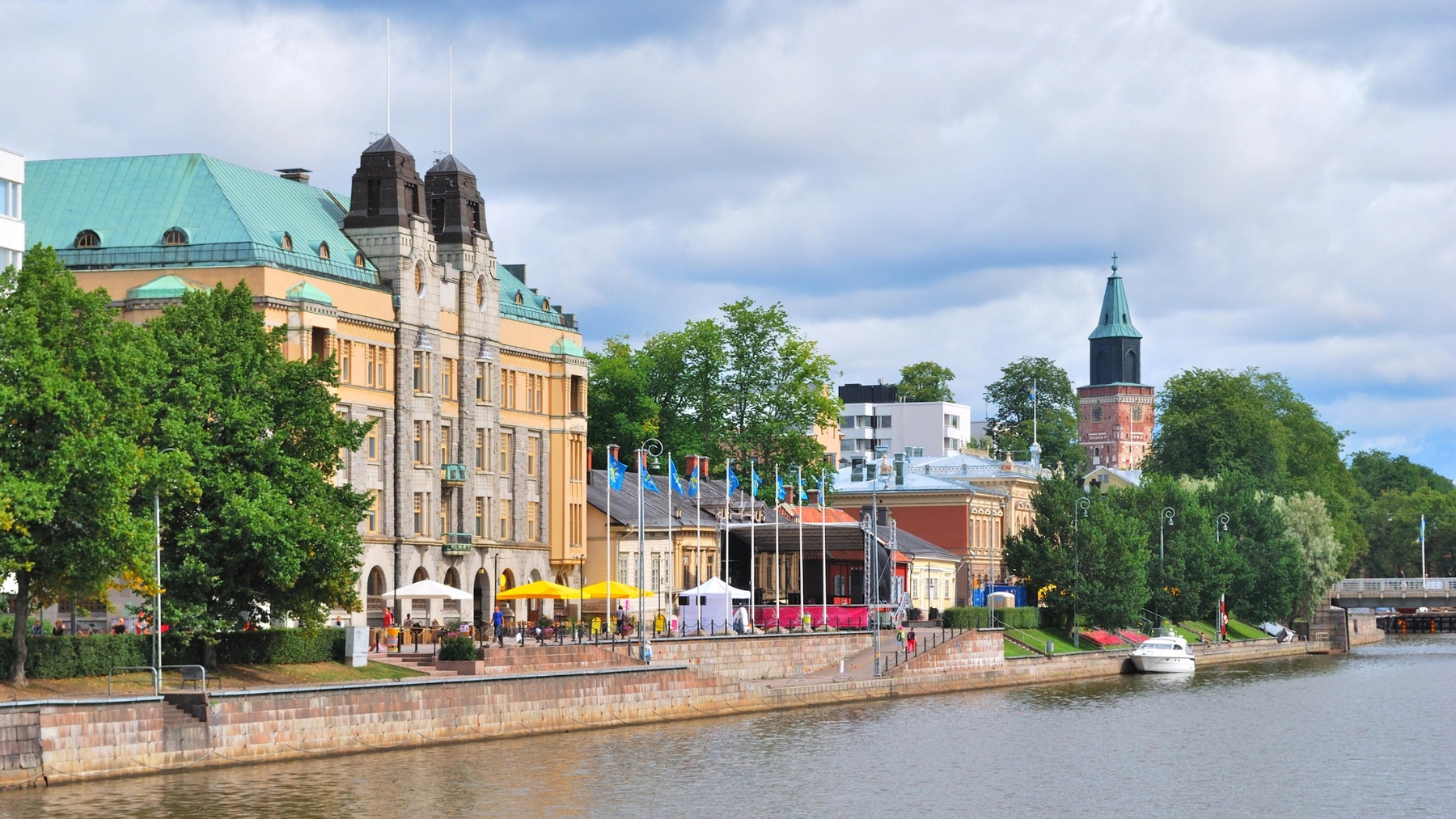
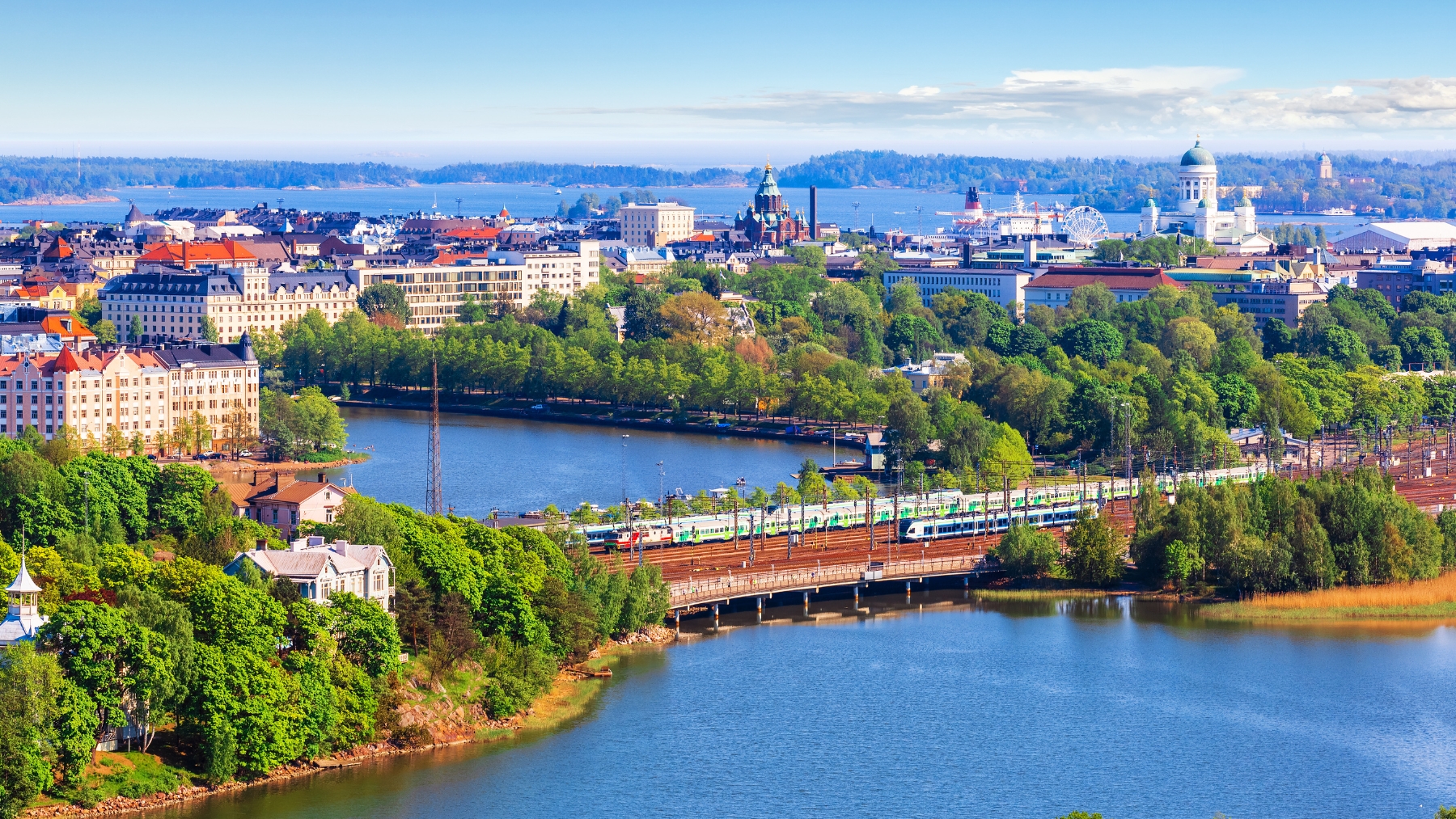
Set on the southern coast of Finland, facing out across the Baltic Sea, Helsinki is a capital defined by its relationship with water. Built across a series of peninsulas and more than 300 islands, the city is shaped by its coastline at almost every turn, with open views, low skylines, and a sense of space that feels natural rather than forced. Founded in 1550, it is relatively young by European standards, but has developed with a clear identity grounded in functionality, design, and a way of living that sits closely alongside its environment. Architecture throughout the city is an interesting mix of styles, with a strong presence of Art Nouveau buildings sitting alongside more modern design. The wider sauna culture of Finland is also very apparent in the capital, as is its relationship with coffee, something the Finns consume in greater volume than anywhere else in the world.
Helsinki is relatively uncomplicated to get to. Finnair uses the city’s airport as its main hub, and its port is one of the busiest passenger ports in the world. Public transport, like all Nordic capitals, is outstanding and simple to use. While Finnish is recognised as one of the most complicated languages to learn, the level of English spoken is consistently high, particularly in the city. This makes Helsinki an easy base for golf trips of varying lengths. Within a relatively short distance of the centre, a number of high-quality courses are set into the landscape in different ways, shaped by forest, water, and open ground. As with the strongest Nordic destinations, the appeal is not in scale, but in how easily everything fits together, allowing you to build a trip that feels balanced without becoming complicated.
Golf Around Helsinki
Golf around Helsinki is built on a group of courses that offer clear variation in playing experience within a relatively compact area. You are not dealing with long or complicated transfers, but moving between different styles of golf shaped by forest, coastline, and more open inland terrain. That variety is what gives the region its strength. You can build a sequence of rounds that feel distinct without stretching the structure of the trip, and that is where Helsinki works best as a base.
At the centre of that sits Talin Golf Club. As the oldest course in Finland, it brings a sense of history, but more importantly, it offers a type of golf that contrasts well with what sits around it. The routing is compact, the land relatively flat, and the challenge is built around positioning rather than distance off the tee. Placement is key, with angles into the greens quickly dictating how each hole should be played. Miss in the wrong areas and recovery options are limited. The greens are consistent and subtly defended, rewarding control and distance management. It is a course that reveals itself over time, where understanding the lines and positions becomes the key to scoring.
Closer to the coastline, Vuosaari Golf introduces a more exposed feel. The influence of the Baltic becomes more apparent here, particularly when the wind picks up. The layout has a traditional Scottish links feel in places, with wider corridors and a routing that encourages you to use the ground as much as the air. It requires a more creative approach to shot-making, especially around the greens where options open up depending on conditions. There is generally room from the tee, but positioning remains important, particularly on approach shots where angles shift with the wind. It provides a clear contrast to Talin and adds an important dimension to the overall mix.
To the west of the city, Sarfvik Golf Club adds a more structured, parkland feel. Tree-lined fairways define much of the routing, and the course places a clear emphasis on building the hole properly from the tee. You are not forced into a single option, but the best line is usually obvious, and being slightly out of position quickly makes the next shot more difficult. The greens are varied without being severe, placing an emphasis on distance control and consistency. It is a course that may appear straightforward at first, but rewards solid, repeatable golf over time.
Moving slightly further out, Kytäjä Golf raises the overall level. With two courses set across a larger property, it introduces both scale and variety. The South East Course is the more visually striking of the two, with water coming into play on several holes and shaping how you approach both the tee shot and the second. The North West Course is more restrained, but equally demanding, placing a greater emphasis on positioning and control. Across both courses, the overall presentation is consistently strong, and the experience feels complete from arrival through to the final hole.
At a similar distance, Linna Golf adds a more refined, modern contrast. The course has hosted European Tour events, and that standard is reflected in both the layout and presentation. From the tee, the design is clear, with defined landing areas guiding how each hole should be played. Miss in the wrong place and recovery becomes difficult, particularly around the greens where positioning is critical. It is a polished, tournament-level test that places a premium on control and execution.
Taken together, these courses define golf around Helsinki. There is no single dominant style, but a group of layouts that complement each other, each placing emphasis on a different part of the game. Distances remain manageable in golfing terms, with very little being overly demanding from the tee, allowing you to focus on positioning and approach play. It is not a destination built on scale, but on how well everything fits together.
Where To Stay
Where you stay in Helsinki shapes the feel of the trip, but as with the other Nordic capitals, a central base tends to work best. The city is compact and easy to move around, with an excellent public transport system that makes getting in and out straightforward whether you are heading into the centre or out towards the courses. Much of Helsinki’s character sits along the waterfront and in the districts immediately surrounding it, and basing yourself here allows you to combine early rounds with time in the city without needing to think too much about logistics.
At the higher end, Hotel Kämp remains one of the most established options in the city, set just off the Esplanadi and right at the centre of everything. A short distance away, Hotel St. George provides a more contemporary contrast, with a stronger design focus and a slightly quieter feel. Both work well if you want the stay to feel like part of the overall experience rather than simply somewhere to sleep, and both allow you to move easily between the city and the golf.
For something more understated, Klaus K Hotel and Hotel Haven offer a different balance. They are well located, comfortable without being overbearing, and suit shorter stays particularly well. If the focus is more on value, Scandic Grand Central Helsinki combines a central location with a more relaxed feel, while Hotel Arthur provides a simpler setup that remains well run and well placed.
For groups or longer stays, Airbnb is often the most natural option. Renting an apartment allows you to settle into the rhythm of the city more easily, particularly if you are balancing golf with time in the centre. Areas such as Töölö, Punavuori, or Kallio all work well and remain easy to move around from.
Staying slightly outside the centre can also work, particularly if you want quicker access to certain courses. Areas to the west bring you closer to Sarfvik, while locations to the north shorten the drive towards Kytäjä. With how easy it is to move around Helsinki, you are never too far from the centre when you want to return to it.
Out and About in Helsinki
Time in Helsinki between rounds settles into a natural rhythm without needing much structure. The city is shaped by the water, and much of what you do sits around that. Walking the harbour, moving between districts, or taking short ferry crossings out into the surrounding islands all give a clear sense of how the city works. It is open, easy, and never feels crowded.
The waterfront areas, particularly around the Market Square and along the harbour, offer a simple way to move through the city. Helsinki Cathedral sits just above this area, overlooking the harbour, and is one of the more recognisable points in the city without ever dominating it. Ferries run regularly across the Baltic, connecting Helsinki to nearby islands as well as to Tallinn and Stockholm, and even a short crossing gives a different perspective.
Away from the water, the Design District reflects how important design is to Helsinki without needing to make a point of it. Art Nouveau buildings sit naturally alongside more modern structures, and places like the Temppeliaukio Church, carved directly into solid bedrock, add something slightly different without feeling separate from the city.
Food and coffee fit easily into the day. Helsinki has a strong café culture, and stopping for coffee becomes part of how you move through the city. Places like Café Strindberg or the Oodi Library Café sit naturally into that rhythm, while Restaurant Savoy offers something more refined if you want it. Much of the enjoyment comes from places that are well executed rather than overly ambitious.
Sauna culture also sits naturally within that flow. It is not presented as a tourist experience, but as part of everyday life, adding another layer to the time between rounds without needing to become the focus.
Trip Logistics
A trip to Helsinki works best over two to three days, and it is one of the easier Nordic capitals to structure properly. If you are arriving via Helsinki Airport, you are around 30 minutes from the centre, and it is realistic to play on the day of arrival. Talin or Vuosaari both work well here, allowing you to get a round in without overextending the day.
Car hire is the most practical way to structure the trip. While public transport is excellent within the city, the courses sit in different directions, and having your own car allows you to move between them easily. A typical structure would be to start close to the city, then move further out towards Kytäjä on the second day, pairing both courses if you want a full day, before finishing with Sarfvik or Linna.
The key is sequencing rather than distance. Grouping the courses logically avoids unnecessary backtracking and keeps the trip flowing. If you are short on time, two days and three courses works comfortably. With a third day, adding Kytäjä or Linna becomes more realistic, particularly if you want a slightly higher-end experience.
Final Thoughts
Helsinki is not built around headline golf alone. It does not have the depth of Stockholm or the more dramatic identity of parts of Norway, but it offers a balanced experience where the golf and the city sit naturally alongside each other.
The courses provide genuine variety without feeling disconnected, and over a short trip you move between different types of golf rather than repeating the same round. Combined with how easy it is to move around, it creates a destination that feels consistent and straightforward.
For a first trip to Finland, Helsinki makes a strong case. It is accessible, easy to navigate, and offers enough quality to justify the journey without needing to overcomplicate the plan. It is, ultimately, a place where everything fits together in a way that feels natural rather than constructed.