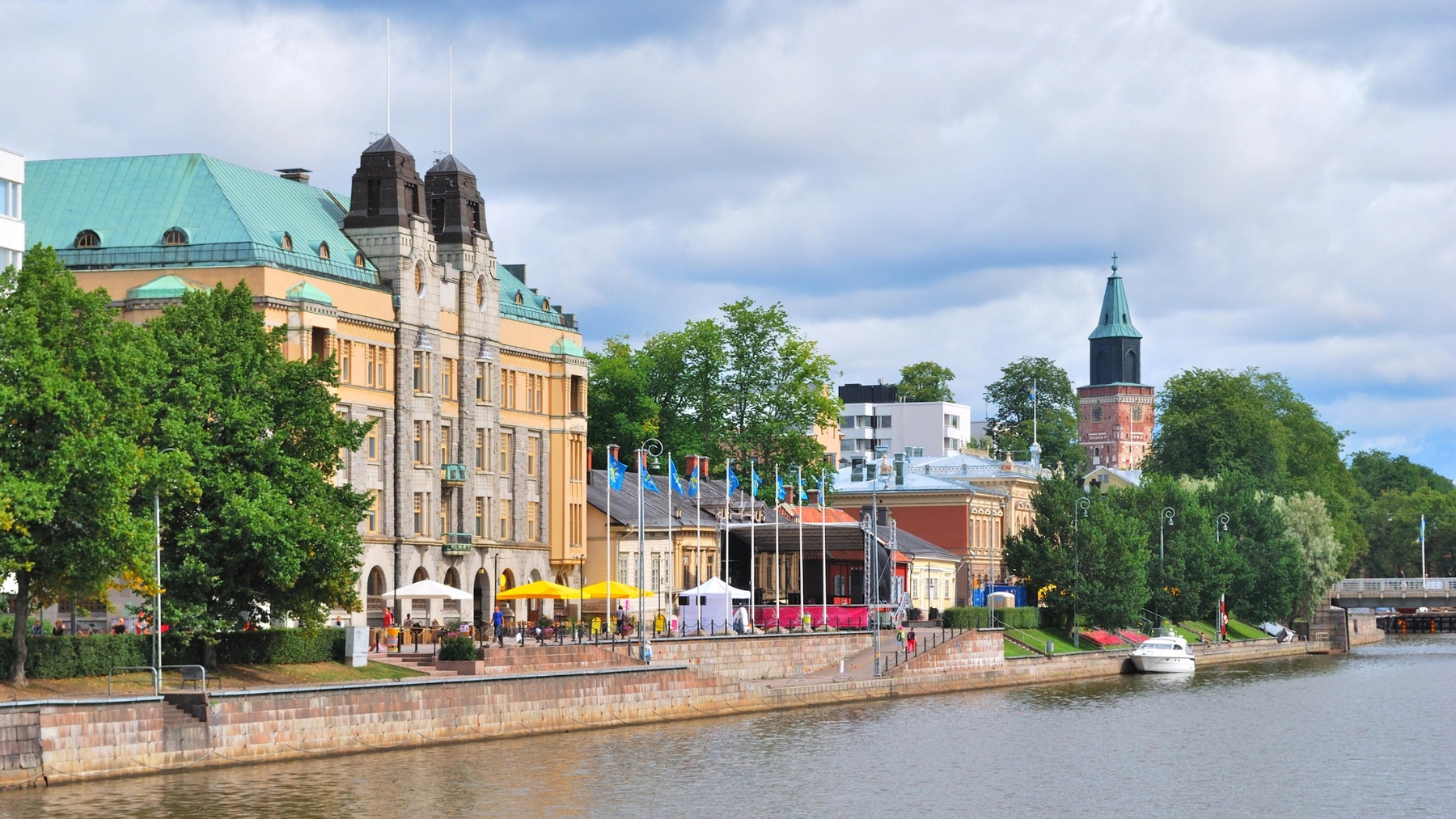
Set on Finland’s south-west coast, at the mouth of the Aura River, Turku offers a different kind of starting point for golf in the Nordic region. It is smaller, quieter, and less immediately defined than many of the more obvious destinations, but that is part of its appeal. The city itself unfolds slowly, with the river acting as a natural centre, and much of what you need sitting within easy reach rather than being spread widely across a larger area.
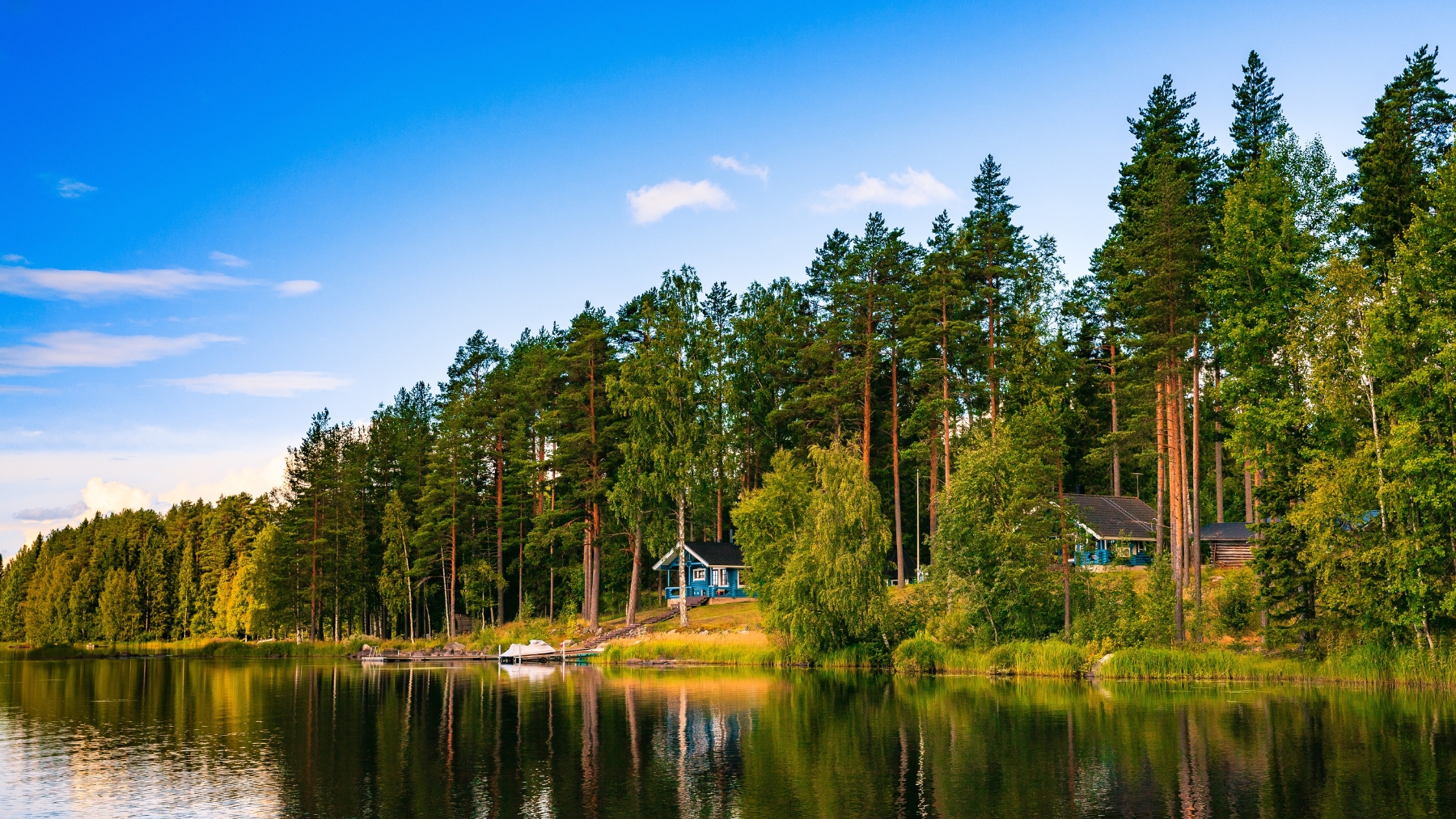
Arriving into Turku Airport, or more commonly via Helsinki a couple of hours to the east, the transition into the region is straightforward. From there, the golf begins to open up in different directions, shaped by the surrounding coastline and the start of the Finnish archipelago. The landscape here is defined by forest, water, and open ground sitting side by side, creating courses that feel connected to their setting rather than imposed upon it.
As a base, Turku works differently to the other Nordic cities. It isn’t about scale or concentration, but about a sense of space and variation within a relatively small area. The courses are close enough to combine without difficulty, but distinct enough to feel separate, and the structure of a trip tends to fall into place quite quickly once you arrive. It is a destination that reveals itself over time, rather than presenting everything at once. It is also this same landscape, stretching out into the archipelago, that inspired Tove Jansson in creating the Moomins, something that still feels easy to recognise once you are out beyond the city.
Golf in Turku
The golf around Turku is not concentrated in one place, but spread across a relatively small area to the west and south of the city, where the coastline begins to break into the Finnish archipelago. That spread defines how the region works. You are not moving between courses that feel similar, but between layouts that reflect different parts of the landscape, all within a manageable drive.
At the centre of it sits Aura Golf, the oldest course in Finland and the most natural starting point for a trip. Set just outside the city, it is a traditional parkland layout where accuracy from the tee shapes the round more than distance. Fairways are defined by tree lines rather than hazards, and playing from the correct side consistently opens up better angles into greens that are relatively small and subtly contoured. It is not a long course by modern standards, but it asks you to build each hole properly rather than recover from poor positions, and it works best as a first round, setting a clear reference point for the golf in the area.
To the west, near Naantali, Kankaisten Golf is the standout course in the region and one of the strongest in Finland. The layout moves through a mix of open ground and more enclosed sections, with greater variety in both the terrain and the demands of each hole. From the tee, there is more freedom than at Aura, but that is balanced by approach shots that require precision into well-protected greens. It is a more modern course in both design and presentation, and the one most likely to define how you remember the golf around Turku.
South of the city, on the edge of the archipelago, Archipelagia Golf Club introduces a different setting again. The courses here sit in a more exposed landscape, with water, rock, and open ground shaping how the holes are played. The Old Course is the stronger of the two, offering a layout where wind and positioning become more significant factors, particularly on the longer holes. It brings a more coastal feel into the trip, without being a true links, and adds a contrast that is not found at the more sheltered inland courses.
Closer to the city, Harjattula Golf & Country Club provides a more contained, tree-lined round with a slightly more private feel. The layout is tighter and more controlled, with less margin from the tee and a greater emphasis on shaping shots through narrower corridors. It is not as essential as the others, but it adds another layer to the range of golf available within a short distance of Turku.
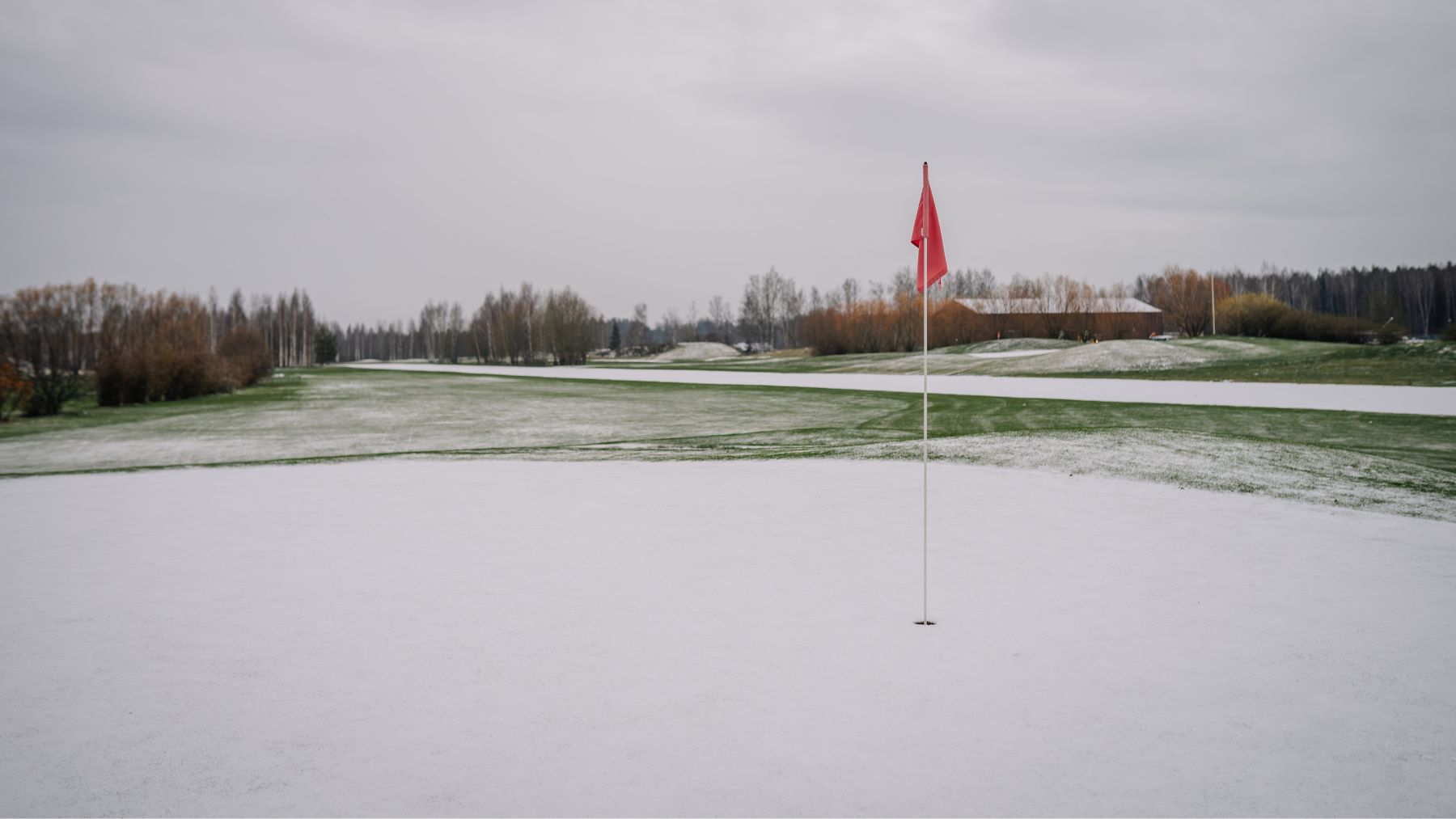
Taken together, these courses define the character of golf in this part of Finland. There is a clear structure to it, built around a historic course in Aura, a higher-quality modern layout in Kankaisten, and a more exposed, coastal setting at Archipelagia. That combination creates a trip that feels varied without being complicated, where each round offers something distinct within a relatively small area. The season here is shorter than in southern Scandinavia, typically running from late spring through to early autumn, with the best conditions found between June and August when daylight is at its longest and the courses are at their most consistent.
Where To Stay
Where you stay in Turku depends on how you want to balance time in the city with access to the surrounding courses, but for most trips, a central base works well. The city itself is compact, and staying close to the Aura River places you within easy reach of restaurants, cafés, and the main parts of Turku, allowing the time away from the golf to feel naturally part of the trip rather than something separate. Hotels such as Radisson Blu Marina Palace Hotel and Original Sokos Hotel Wiklund are well positioned for this, offering comfortable, straightforward options with easy access both to the centre and out towards the courses.
For those who prefer to focus more directly on the golf, staying just outside the city towards Naantali brings you closer to some of the strongest courses in the region. Options such as Naantali Spa Hotel provide a more relaxed, resort-style base within easy reach of Kankaisten Golf and Aura Golf, reducing travel time on the mornings you are playing and making it easier to combine rounds without needing to cross back through the city. It is a different feel to staying in the centre, but one that works well for shorter, more golf-focused trips.
There is also a middle ground. Staying on the edge of the city or along the main routes leading out towards the surrounding courses allows you to move easily in different directions depending on how your days are planned. Distances around Turku are manageable, but the courses are not as tightly grouped as in some other destinations, so having that flexibility can make a difference. For groups or longer stays, apartment rentals through platforms such as Airbnb are also widely available, particularly close to the river and in the central districts. As with the rest of the trip, the choice here is less about necessity and more about how you want the days to come together.
Out and About in Turku
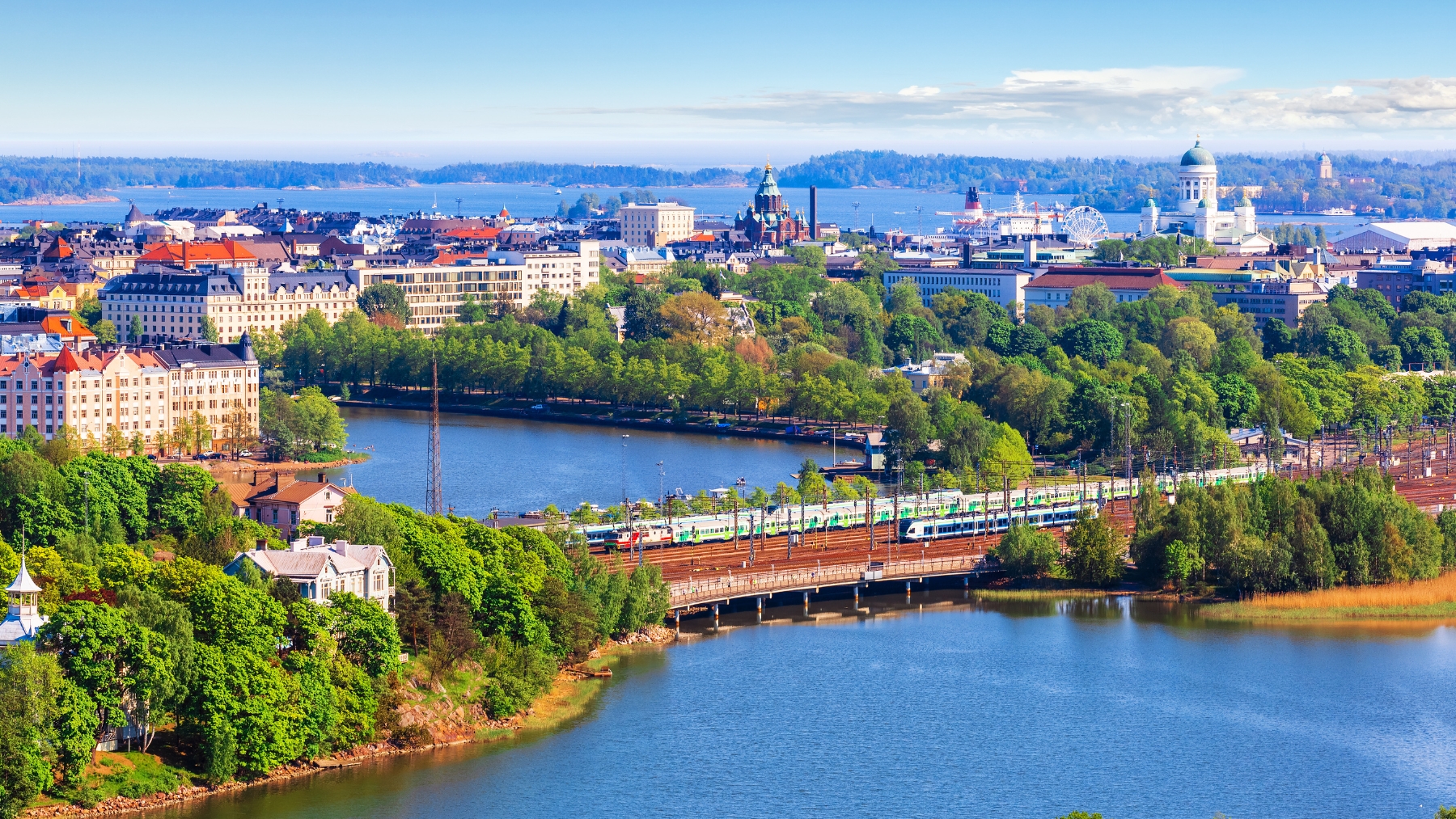
Time in Turku between rounds tends to centre around the Aura River, which runs through the middle of the city and shapes how you move through it. Much of what you are likely to do sits along or just beyond it, and walking its length gives a clear sense of how Turku fits together, with cafés, restaurants, and small pockets of activity appearing gradually rather than all at once.
The pace here is quieter and less defined than in many other Nordic cities, and that carries through into how you spend time away from the course. There are no obvious routes to follow or landmarks you feel you need to move between, and that is part of the appeal. The riverbanks are the natural place to settle after a round, whether for something to eat, a drink in the evening, or simply time outside, and it is the kind of place you don’t feel the need to leave quickly.
Food and coffee sit at the centre of the day, but in a way that feels informal rather than planned. Restaurants such as Smör offer something more considered in the evening, while places like Café Art or Robert’s Coffee are easy stops earlier in the day or between rounds. The choice is less about seeking out specific places and more about what you come across as you move through the city. Turku also sits within the Swedish-speaking part of Finland, and you are just as likely to hear Swedish as Finnish, something that subtly shapes the feel of the city without ever needing to be pointed out.
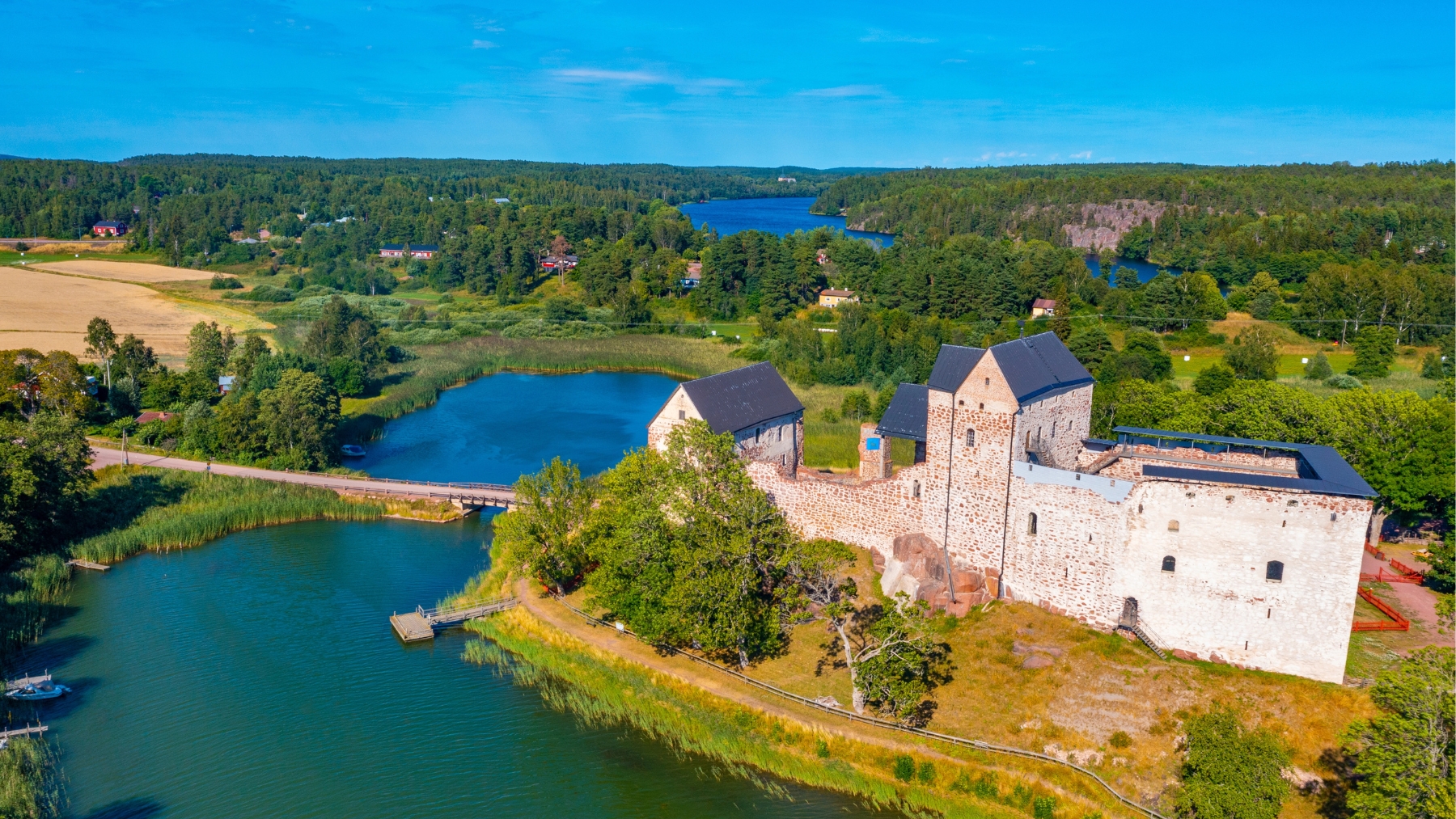
If you have time away from the golf, Turku Castle and the cathedral offer a sense of the city’s history, both within easy reach of the river and each other. Beyond that, the archipelago begins just outside the city, and even a short trip out towards the coast gives a clearer sense of how the landscape opens out beyond Turku itself. As with the rest of the trip, there is little need to overplan. The city works best when you keep things simple, letting the golf set the structure and the time around it fill itself in naturally.
Trip Logistics
A trip to Turku works best over two or three days, with a simple structure built around how the courses sit to the west and south of the city. The distances are not significant, but the golf is not concentrated in one place, so grouping rounds properly makes the trip feel more straightforward once you are there. If you are arriving via Turku Airport or coming across from Helsinki, an afternoon round on the day of arrival is realistic, particularly at Aura Golf, which sits close to the city and works naturally as a starting point.
The second day is where the trip begins to open up. Heading west towards Naantali and beyond brings you to Kankaisten Golf, the strongest course in the area, and it makes sense to build the day around that round. From there, it is possible to continue further into the archipelago towards Archipelagia Golf Club, where the setting becomes more exposed and the character of the golf shifts again. The two can be combined without difficulty if you want to play 36 holes, but even as a single round, this part of the region is worth treating as a dedicated golf day rather than moving back and forth through the city.
If you have a third day, it works well to return closer to Turku, either by revisiting Aura or playing Harjattula, which offers a more contained, tree-lined contrast to the more open courses further out. From there, it is straightforward to return towards the city or begin the journey back towards Helsinki if that is your departure point. With that structure in place, the trip settles into something that feels easy to manage, with enough movement to experience the variety of golf in the area without ever becoming complicated.
Final Thoughts
In the end, Turku is not a destination that immediately stands out in the way some others do, but that is part of what makes it work. The golf is spread rather than concentrated, the setting is quieter, and the experience builds gradually rather than presenting itself all at once. It is not defined by a single course or a single moment, but by how everything comes together over the course of a few days.
What Turku offers is a different kind of trip. The courses are varied, the setting adds a sense of space, and the city sits comfortably alongside the golf without ever getting in the way. For those willing to approach it on its own terms, it is a destination that comes together quietly, and one that makes sense once you have spent a few days there.