Green Zone Golf sits in Tornio, hard up against Haparanda on the Swedish side, in one of those parts of the Nordic region where the border matters politically and administratively, but on the ground feels much looser than that. Tornio and Haparanda have long functioned as a kind of paired settlement, and the course makes complete sense in that context. This is not a gimmick dropped into an otherwise ordinary place. It is golf built into a border landscape that already lives with two languages, two currencies in recent memory, two national identities and, crucially, two time zones. The club itself traces its roots back to the late 1980s and early 1990s, which fits with the wider development of the Tornio–Haparanda area as a cross-border zone rather than two places looking away from each other.
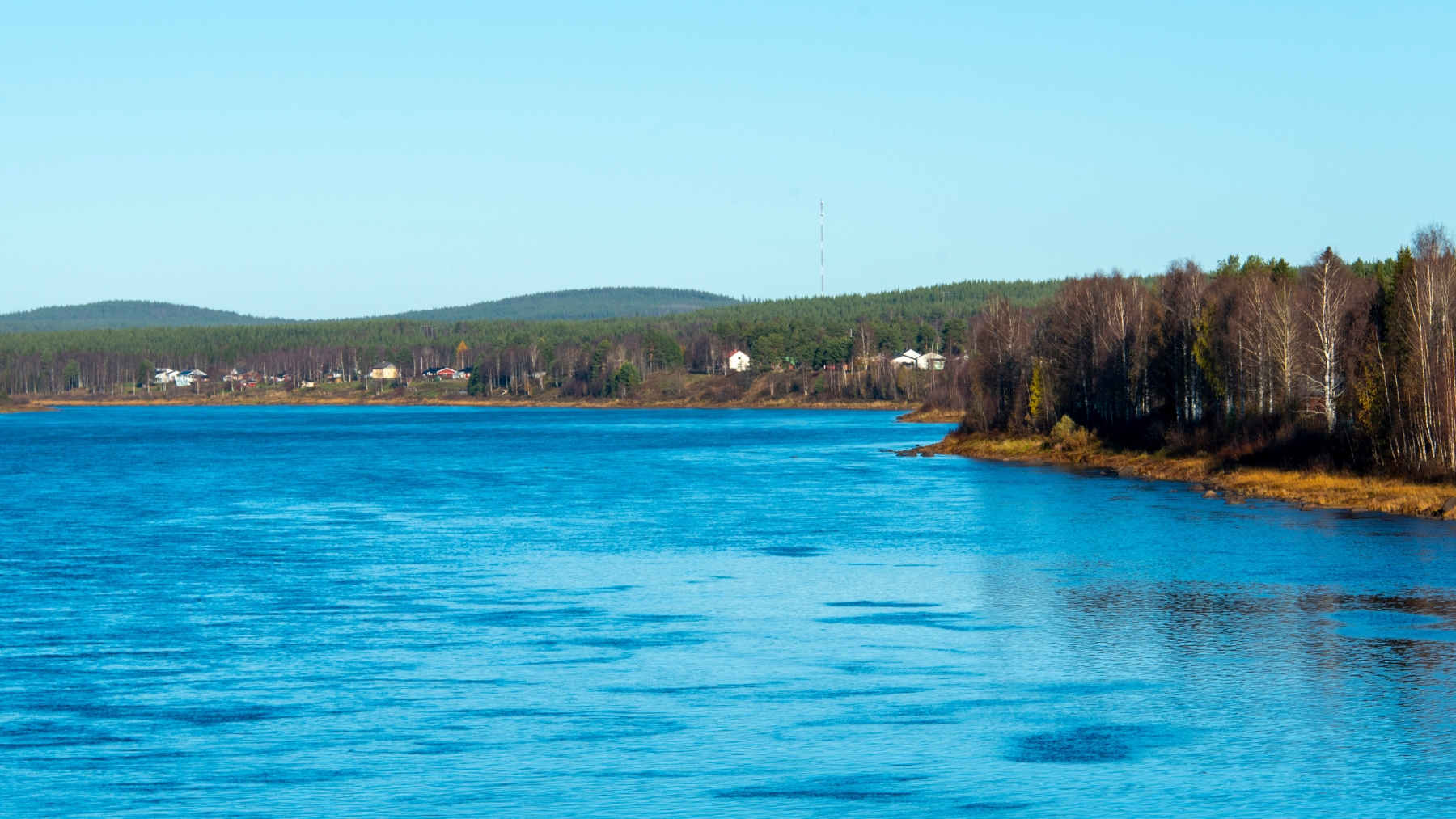
The setting is also a long way from the image many people have of Nordic golf. There is none of the southern Swedish parkland neatness here, and none of the heavily forested inland framing that shapes so many courses further down the map. Green Zone Golf lies on open, low ground in the Torne river delta, and that makes a difference immediately. The course feels exposed, horizontal and slightly rougher around the edges in a way that suits where it is. The light is different, the weather has more say, and during the height of summer the fact that you can play late into the night is not a line somebody in marketing dreamed up, but just a realistic consequence of being this far north.
There is a relatively short window where the midnight sun sits fully above the horizon and you can play through without any sense of night at all. Either side of that, there is a much longer period of white nights, where it never really gets dark, just softer and quieter. That changes the feel of a round in a way that is difficult to explain until you have experienced it. Tee times stretch, pace becomes less rigid, and the whole place feels slightly detached from the usual structure of a day’s golf.
What to Expect From The Golf
From a golfing perspective, Green Zone Golf is an 18-hole, par-72 course that plays to 6,180 metres from the white tees and 5,870 from the yellow tees, so it is not especially long by modern standards, but it does not need to be. The land is flat, and the course leans instead on water, exposure and position, and it would not be beyond the realm of possibility to lose a ball in the water on nearly every hole on a bad day. This is not one of those northern courses where width means total freedom. There is room for expansive hitting in places, but if you start getting loose with direction, the course will quite happily take strokes back off you.
The most famous hole is the 6th, and that is the one where the course’s time-zone story becomes more than a line you repeat to people afterwards. It is a par 3 played from Sweden into Finland, and because Finland is one hour ahead, a hole-in-one there would technically land before Swedish time has caught up. The club itself calls it the world’s longest hole-in-one in time, and while that sounds like a neat piece of marketing, standing on the tee it actually lands properly. It gives the hole a sense of occasion, and more importantly, it gives the round something to build towards.
The 7th is another hole that tends to stay with people, and in many ways it tells you more about the course than the 6th does. At around 325 metres, it is not long, but water sits close enough on both sides that the margin for error disappears quickly. You are forced to commit to a line, and if you do not, the hole will take control away from you. That pattern repeats across the round. The 6th gets the headlines, but the broader character of the layout is defined by water, by the need to keep the ball under control, and by the fact that the course asks you to stay switched on even though the topography is relatively gentle.
The other thing that matters is that the border crossings are not a one-off stunt. During a full round players cross the border four times, and the course is split with 11 holes on the Swedish side and 7 on the Finnish side. That gives the round a slightly odd rhythm in a good way. You are not just told that the course exists in two countries; you actually experience that fact repeatedly as part of the routing. It gives the place identity, but it also stops the concept from feeling overly staged.
Conditioning & Presentation
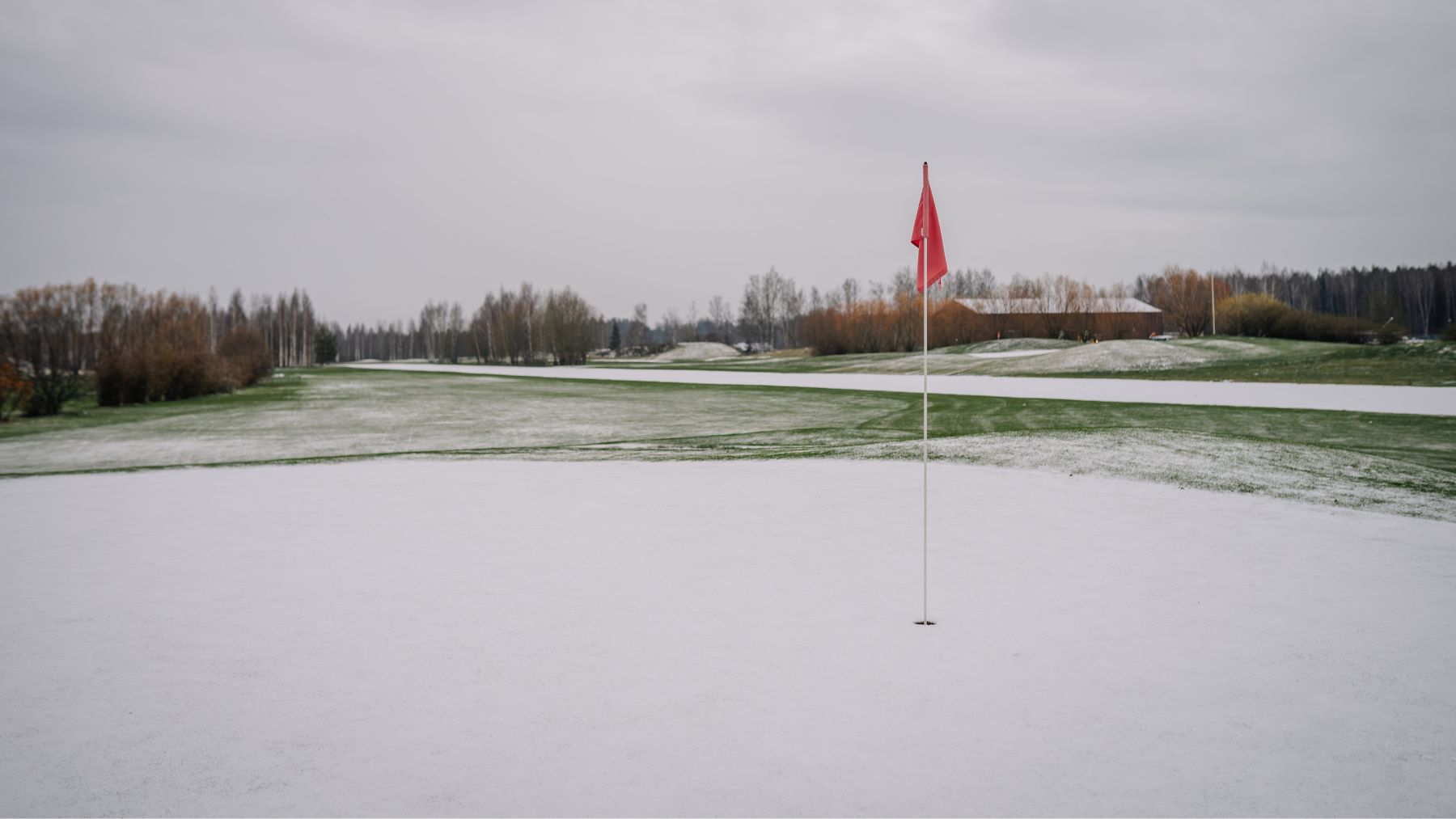
Conditioning at Green Zone Golf has to be understood in the context of where it is. This is northern Finland and northern Sweden, with a short season and winters that can be long enough to leave their mark. That means the course is never going to be judged in the same visual category as the more pampered clubs further south, but that is not really the right comparison anyway. By all accounts it is kept well, fairways are generally in good order, and the greens are more than respectable, but the more important point is that the whole place feels functional and honest rather than over-manicured. The land is open, the weather is part of the game, and the course presentation fits that.
Wind has more influence here than it would on a more sheltered inland course, and that is one of the reasons the layout has enough golfing interest despite the flatness of the site. On calm days, some holes will look there for the taking. In a breeze, especially with water sitting where it does, the course becomes more exacting. That is the sort of golf Green Zone offers at its best. It is not dramatic in the way a mountain or links course can be dramatic, but it is exposed enough to stop you drifting through the round half awake.
Club & Experience
The club side of the experience sounds exactly as it should for this part of the world: practical, friendly and without unnecessary theatre. There is a driving range, the usual hire options, and a straightforward clubhouse operation rather than anything performative. Food here is consistent with what you find across northern Sweden and Finland; simple, warm, good value, and built around the idea of a proper lunch rather than anything elaborate. It is the kind of place where you eat well, but without ceremony, and that fits the course perfectly.
That matters more than it might sound. Some unusual courses are enjoyable once, but the whole experience around them feels thin. Green Zone Golf does not appear to have that problem. The novelty is built in, but the club seems comfortable enough with it not to force it. That is usually a good sign. Places that know they have something genuinely distinctive do not need to keep reminding you of it.
Where It Fits
On its own, Green Zone Golf is never going to be the course that drags most international golfers all the way north by itself, and that is fine. Its real strength is in what it adds to a trip through this part of the region. If you are already in northern Sweden or Finnish Lapland, it becomes one of the more natural rounds you could play because it offers something genuinely place-specific. You are not just ticking off another competent inland course. You are playing golf in a border landscape that has shaped the whole identity of the area, and the course actually reflects that rather than simply borrowing the name.
That is really the key to it. The best golf destinations are usually the ones where the course feels inseparable from where it sits. Green Zone Golf has that. The river, the flat light, the split identity of Tornio and Haparanda, the sense that you are a long way from the obvious centres of Nordic golf, all of that is part of the round. The 6th hole may be the thing people remember first, but the broader appeal is that the course does not feel transplantable. It belongs exactly there.
Final Thoughts
Green Zone Golf is one of those courses that could easily have ended up being less than the story attached to it. In practice, it holds up. The time-zone crossing is real, the world’s longest hole-in-one line is attached to an actual hole rather than a made-up anecdote, and the rest of the course has enough water, enough exposure and enough golfing substance to stop the whole experience collapsing into novelty. It is not one of the great architectural masterpieces of the Nordic region, and it does not need to be. What it offers is something rarer than that: a course that makes complete sense in its setting, and a round that you would remember even if you took the passport-stamp version of the story out of it.