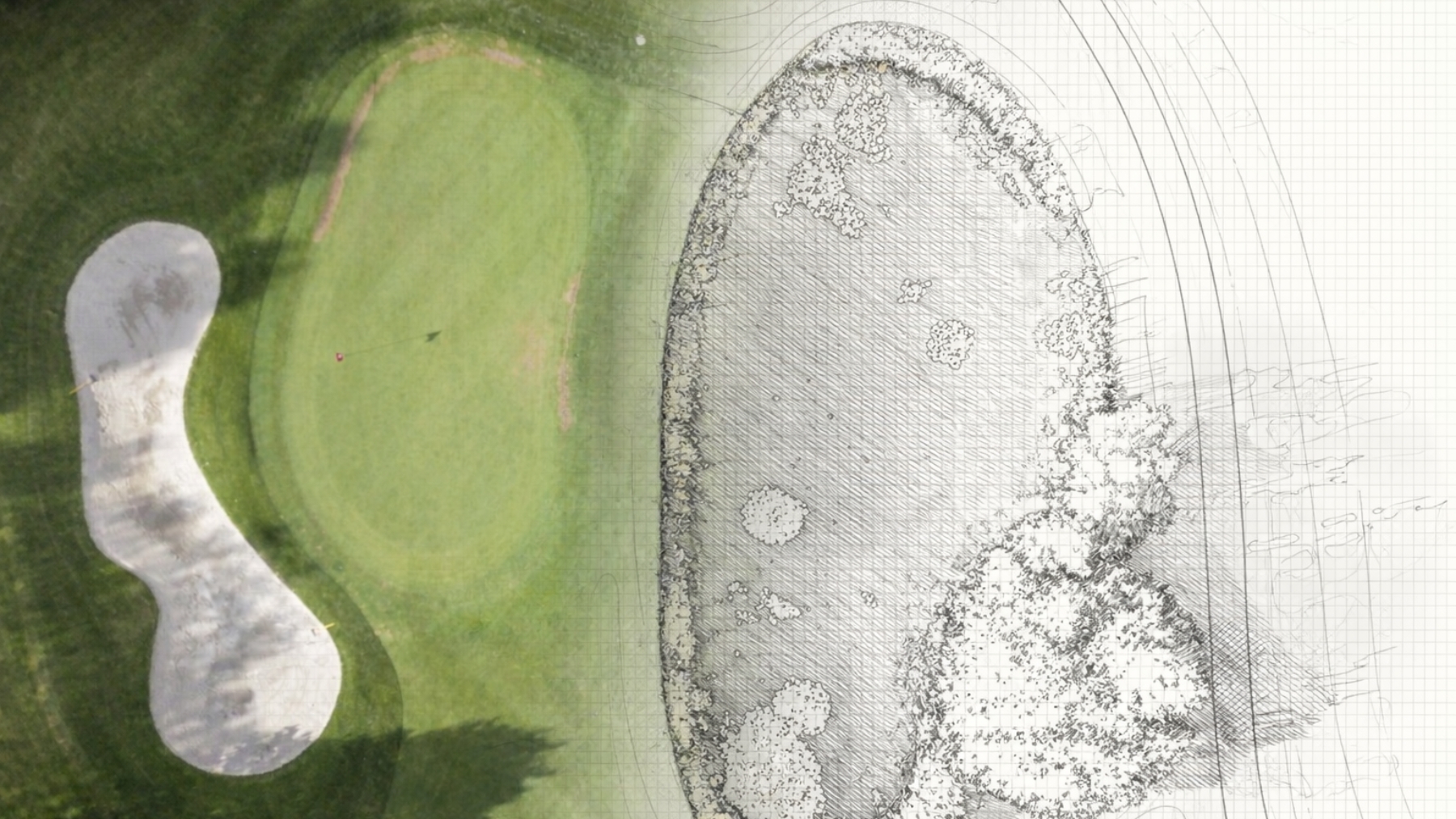
Understanding Nordic Golf Design
For many golfers travelling through the Nordic region, the experience of playing here feels subtly different from much of the rest of Europe. It is not always immediately obvious why. The conditioning is often excellent, the layouts are varied, and the settings are frequently striking, but there is a consistent sense that the courses belong to the landscape rather than being imposed upon it. That feeling is not accidental. It is shaped, in part, by the way golf course design has developed across Denmark, Sweden, Norway, Finland, and Iceland, something that also connects closely to the broader patterns outlined in The Golf Season in the Nordics.
Unlike some of the more established golfing regions of the world, the Nordics do not have a long tradition of globally recognised “signature architects” whose names dominate the conversation. Instead, the story is more nuanced. Local designers, often working closely with the natural terrain, have played an important role in shaping the character of golf in the region, while a number of well-known international architects have contributed selectively, bringing different perspectives and influences. Understanding how those two strands interact offers a useful way of understanding Nordic golf itself.
A Landscape-Led Approach to Design
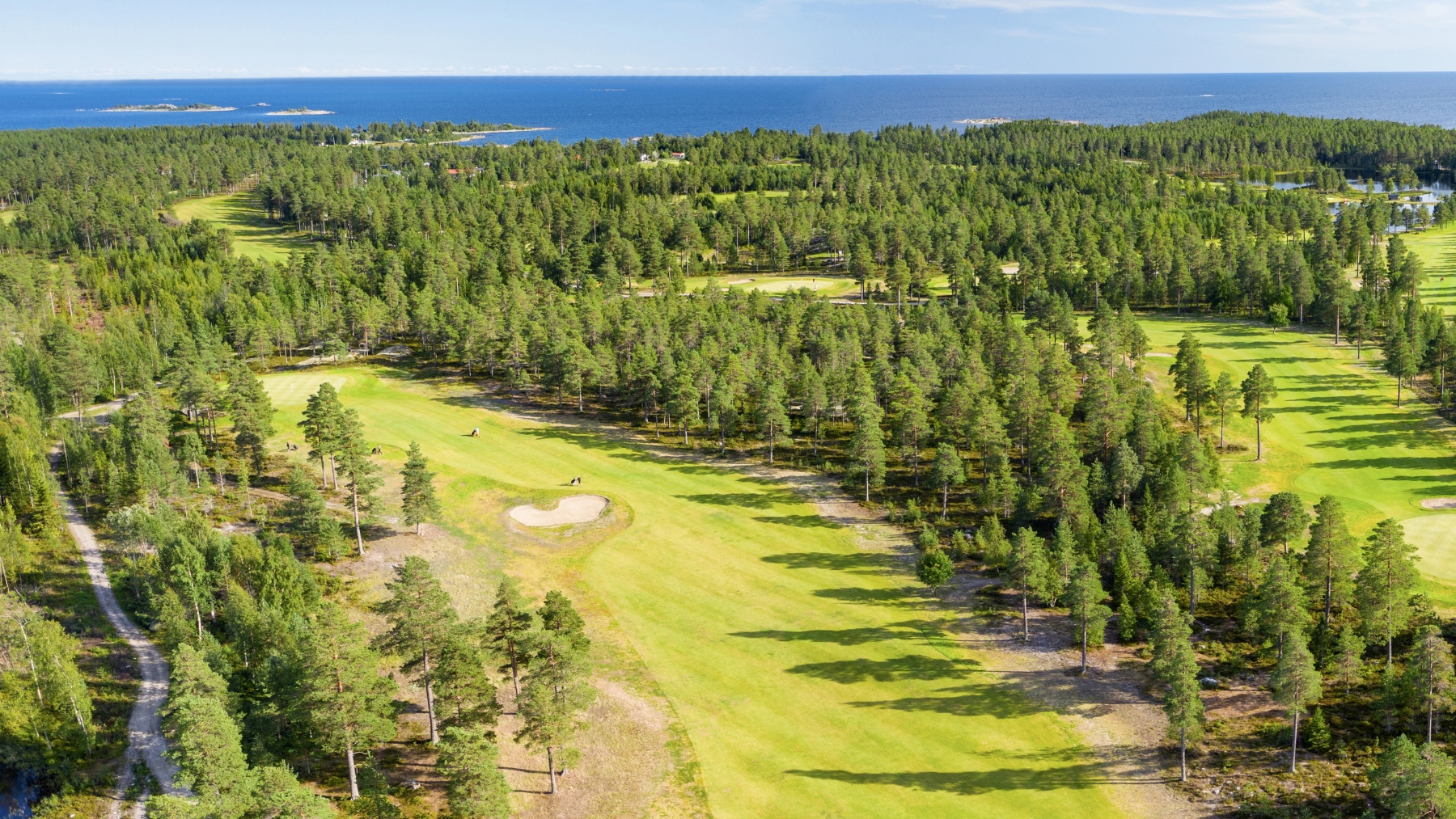
Across much of the Nordic region, particularly in Sweden and Finland, courses tend to follow the natural movement of the terrain rather than reshaping it dramatically, a characteristic that is explored further in both the Golf in Sweden guide and the Golf in Finland guide. Forest, rock, water, and elevation changes are used as they are found, with design often focused on working within those constraints rather than altering them. This creates a style of golf that feels grounded and coherent, where the routing reflects the land and the features feel integrated rather than imposed.
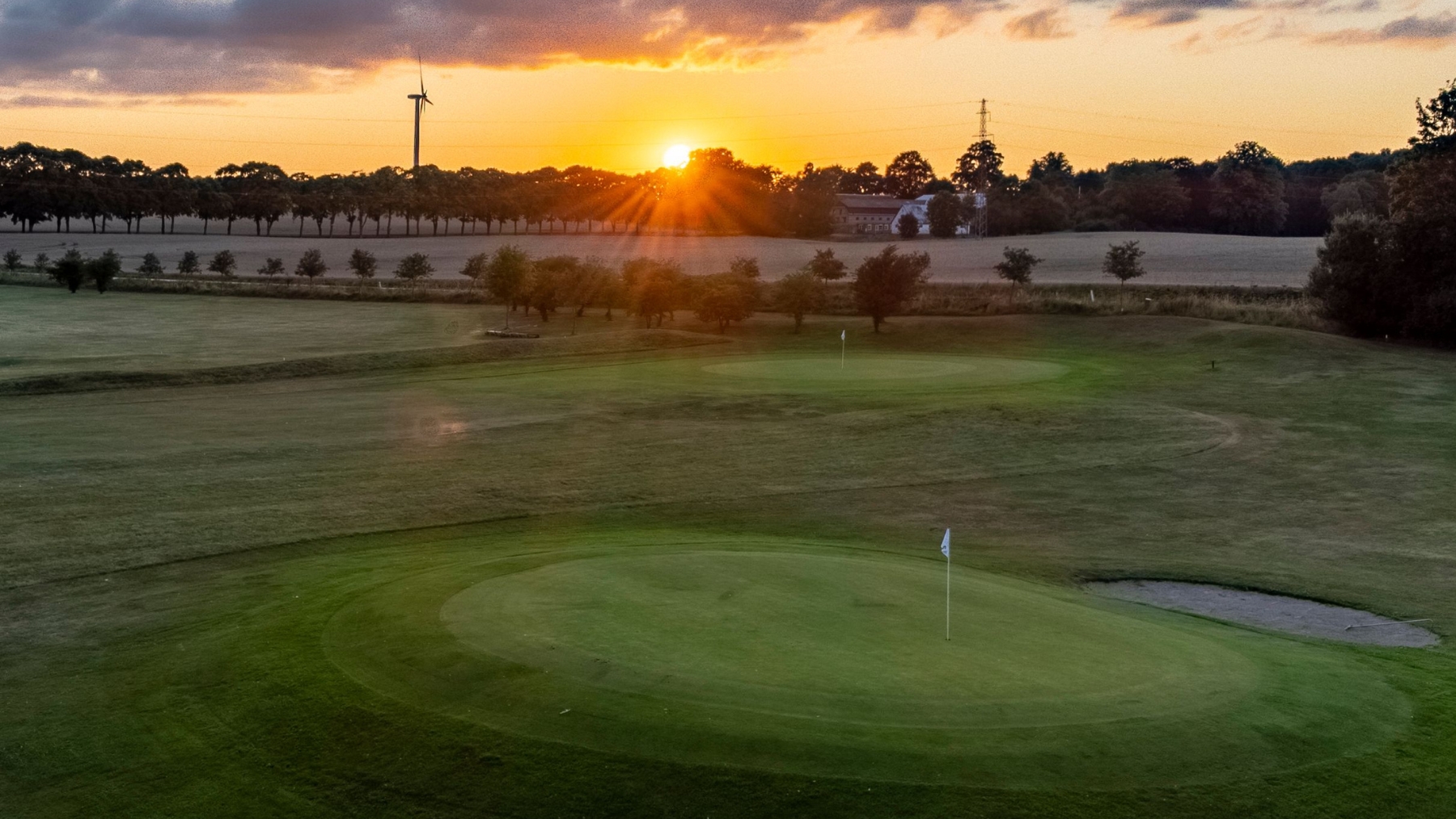
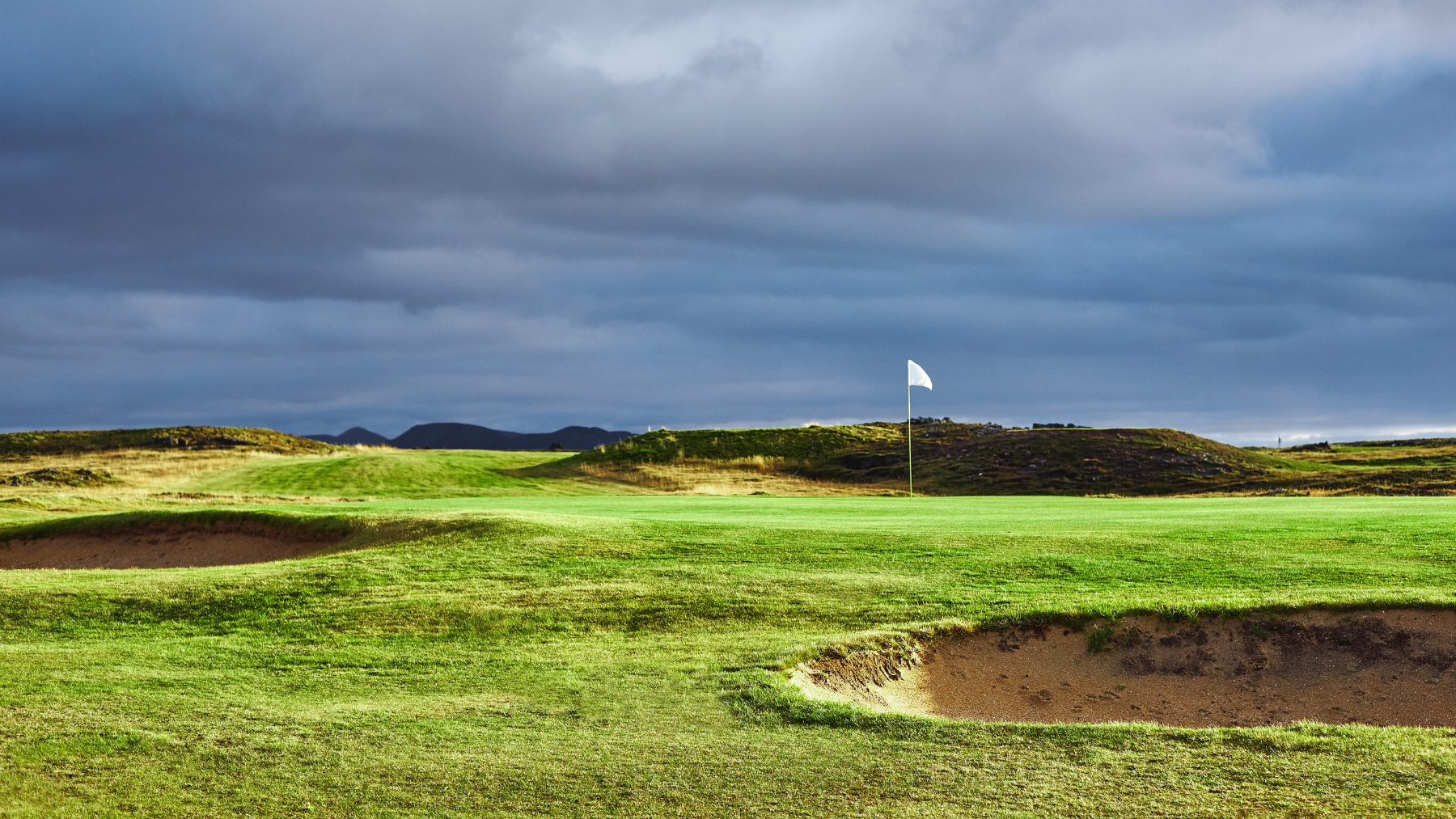
In Denmark, where flatter coastal landscapes are more common, the influence shifts towards links-style golf, with wind and ground movement playing a more central role, as seen in the Golf in Denmark guide. In Norway and Iceland, the terrain becomes more dramatic, and courses often adapt to more extreme landscapes, as explored in both the Golf in Norway guide and the Golf in Iceland guide, but the underlying principle remains consistent. The land leads, and the design follows, shaping a consistent identity across the region.
Nordic Architects and a Modern Scandinavian Voice
While the Nordics may not be widely associated with globally famous golf course architects, there are a number of figures whose work is important in understanding how golf has developed across the region. In Finland, Jan Sederholm has been closely involved in shaping modern Finnish golf, contributing to courses such as Kytäjä Golf, where the emphasis is on flow, scale, and working with natural terrain rather than forcing artificial features into the landscape. At nearby Linna Golf, the same principles are evident, with a course that feels deliberate but never overdesigned.
In Sweden, the development of golf has often been more collaborative, but a newer layer is emerging through players transitioning into design. Henrik Stenson has become increasingly involved in course architecture, most notably at Österåkers Golfklubb near Stockholm, where his input has helped reshape the course into a more modern and strategically refined layout. His work reflects a player-led perspective, focusing on clarity, playability, and balance rather than visual excess.
Denmark, with its longer golfing history and links-style environments, shows a similar respect for landscape, even where modern input has been added. Across the region as a whole, the defining characteristic remains consistent. Nordic golf architecture is less about individual signatures and more about creating courses that feel natural, playable, and rooted in their surroundings.
International Architects and Their Nordic Courses
Alongside this local development, a number of internationally recognised architects have left a clear and identifiable mark on the Nordic region through specific, high-profile courses. Robert Trent Jones Jr. is perhaps the most prominent example, with his work at Bro Hof Slott Golf Club in Sweden. The Stadium Course represents one of the most ambitious modern designs in Scandinavia, with a scale and visual presence that stands apart from more traditional Nordic layouts.
Jack Nicklaus has also contributed to the region, most notably at The Scandinavian in Denmark, where the New Course reflects his structured, strategic approach to design. On the same property, the Old Course designed by Tom Fazio offers a different architectural perspective, introducing a more polished and visually framed style that contrasts with the naturalism seen elsewhere in the region.
Donald Steel’s influence can be seen in parts of Scandinavia through renovation and advisory work, including at Helsingborgs Golfklubb in Sweden, where traditional design principles are applied in a Nordic setting. Meanwhile, the broader influence of British design thinking, associated with architects such as Martin Hawtree, is evident in Denmark’s links-style courses, where wind, turf, and subtle shaping define the experience.
Where Design Meets Experience
For the travelling golfer, these architectural influences are not abstract ideas. They are experienced directly on the course. A round at Bro Hof Slott Golf Club offers a clear example of modern international design at scale, while playing at Kytäjä Golf or Linna Golf in Finland provides a more restrained but equally considered experience shaped by local understanding of the land, something that aligns closely with the broader landscape-led approach discussed in The Best Links Golf Courses in the Nordics.
At The Scandinavian in Denmark, the contrast between the Nicklaus-designed New Course and the Fazio-designed Old Course offers a rare opportunity to experience two distinct architectural philosophies within the same venue. Meanwhile, at Österåkers Golfklubb, Henrik Stenson’s involvement represents a newer generation of design thinking, shaped by professional playing experience and a modern understanding of how courses are used.
Final Thoughts
The story of golf course design in the Nordic countries is not one of dominant figures or iconic signatures. Instead, it is a quieter, more integrated story, where landscape, climate, and culture play as much of a role as individual architects. For the travelling golfer, this offers a different perspective, where the interest lies not only in who designed a course, but in how that design interacts with its surroundings.
The Nordics may not be defined by globally famous architects in the traditional sense, but they offer something equally compelling. A style of golf shaped by its environment, informed by a range of influences, and ultimately grounded in the landscape itself.