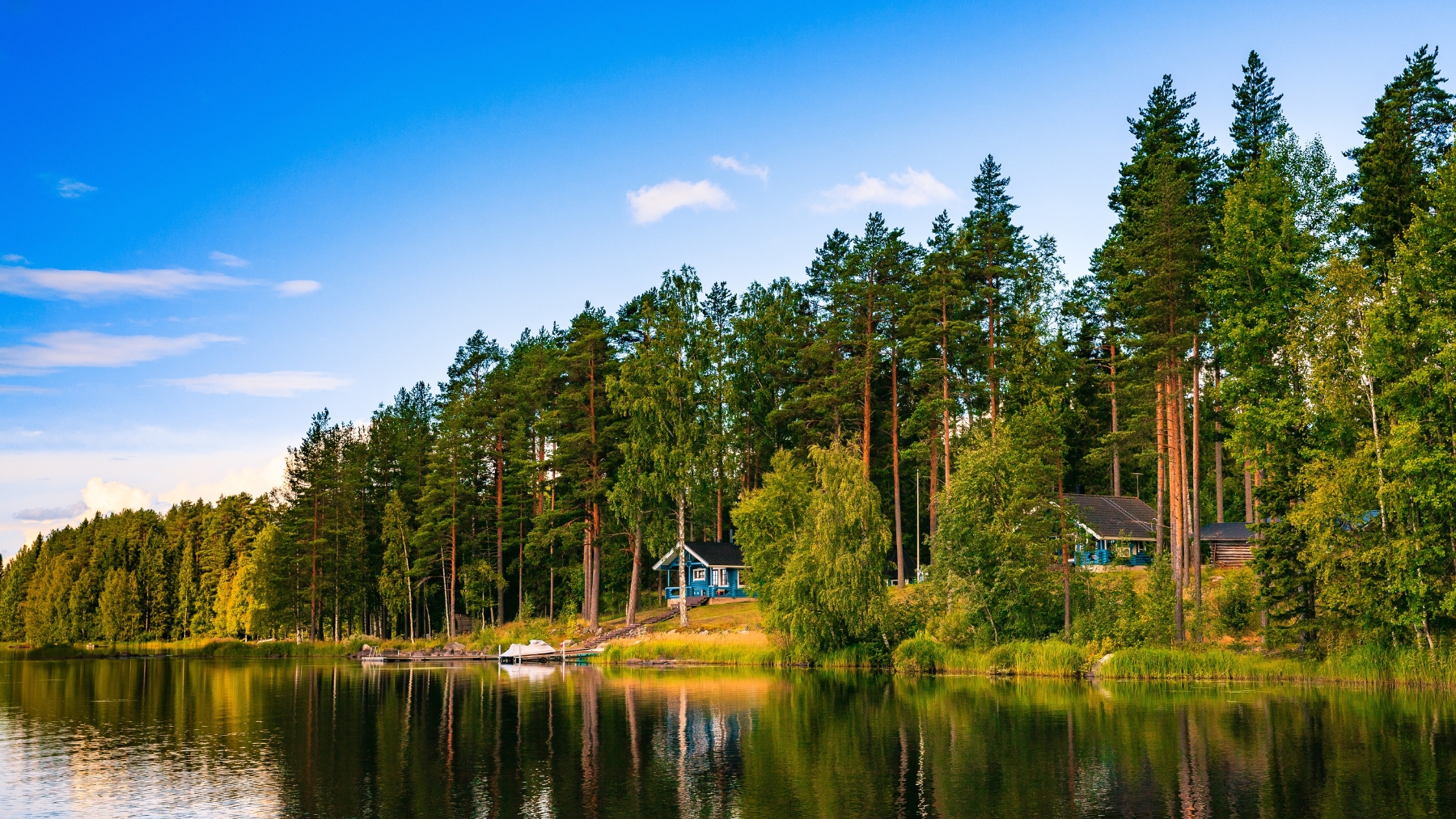
Around Sweden, there are a significant number of local, smaller golf clubs that, unless you really do your research (or spend time on a site like this), you would probably never even hear about. Säters GK is one of those clubs. The town itself lies just over a couple of hours’ drive from the city of Stockholm, and is one of the courses that lies close to the entry point of the Dalarna region if you are travelling from the capital. The region of Dalarna itself is often described as Sweden in miniature and has a landscape that is characterised by undulating fields, forests, lakes and well maintained, traditional red painted cottages.
Säter itself is an interesting place, which although in size and population is small, was granted its first town charter in the early seventeenth century as it grew alongside Sweden’s first copper mint. Many of the original wooden buildings in the town centre still exist in excellent condition. More recently, Säter has become known from a sporting sense because of the development of triathlon events and it’s one of the places that many Stockholmers drive through in winter on route to the winter sports resorts in the region.
What to Expect From The Golf
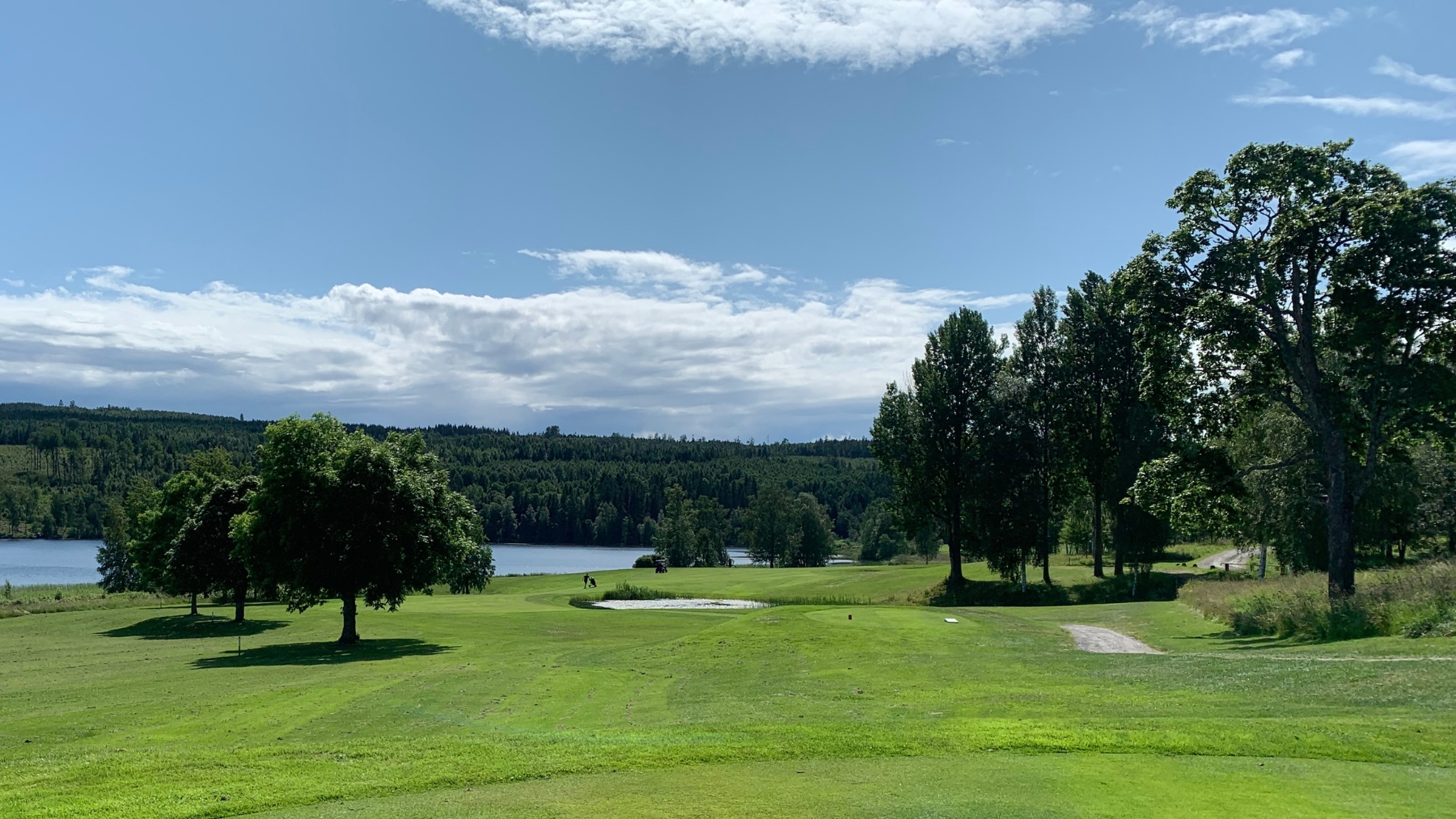
From a golfing perspective, Säters GK sits just outside the town on the banks of Lake Ljustern. The first six holes were laid out in 1984, with the full 18 hole layout finally being open for play in 1990. As the course has matured, it has established itself as a challenging but playable layout that now sits regularly in and around the 60s in Sweden’s top 100 rankings. The club prides itself on its welcoming of visitors, and of the green fee guests, over half now come from outside of the Dalarna region.
The course is very much shaped by its surroundings. Dalarna is defined by forest, water and gently undulating ground, and all three are present as you move through a round there. Prior to teeing off, there is a small range and very challenging putting green to warm up on.
At just under 5,800 metres, Säters GK is not a long course by modern standards, but that is not where the challenge lies. The course relies on finding good positions off the tee rather than utilising excessive distance; the tree lined fairways mean that inaccuracy is punished. Good positioning also helps when approaching the large, gently undulating greens, where hitting in from the correct locations on the fairways helps to offer better scoring opportunities.
The course is laid out as two returning nines, and while the structure is traditional, the experience evolves as the round progresses. The opening holes move through more enclosed sections, where the emphasis is on shaping tee shots and placing the ball into position. There is a slightly more technical feel to this part of the course, with trees defining the lines and limiting options. From the turn, the character shifts. The 10th and 11th run alongside the lake and immediately open up the round, both visually and strategically. These holes are among the most memorable on the course, not because they are extreme, but because they combine space, water and clearer shot choices in a way that feels more expansive.
Smaller bodies of water are in play across much of the round, but often influence decisions rather than totally dictating them. It appears in different ways, sometimes protecting greens, sometimes sitting just off the line from the tee, and it becomes more prominent as the course moves closer to the lake. The fifth hole provides an excellent example of this; what would be a relatively simple par four requires a decision about how brave you are in cutting the corner off over the small pond that sits strategically in the elbow of the dog-leg. It’s not a hard hole, but you have to make a decision.
The greens at Säters GK are also an important part of the golfing test. They are not excessive, but they have enough movement to demand attention, particularly when combined with approaches that require the ball to be placed rather than simply hit onto the surface. Overall, it is a course that rewards controlled play. It does not overwhelm, but it requires you to stay engaged throughout the round. Across the round, there is enough variation to stop it ever feeling repetitive. The course moves between different environments and asks for different types of shots, but it does so without feeling forced. The flow is steady, with no abrupt changes, and that consistency helps the round settle into a rhythm.
Conditioning & Presentation
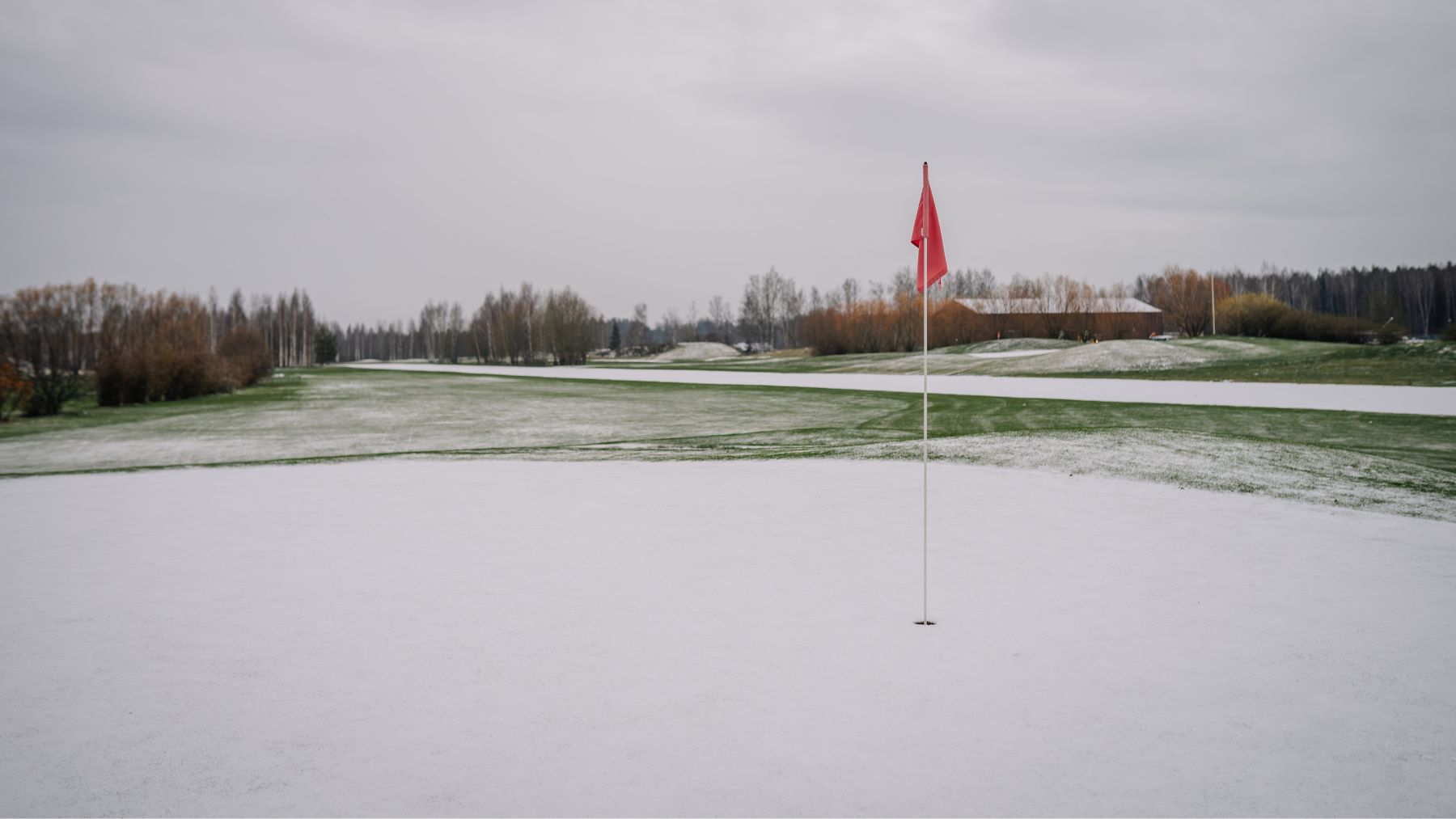
Course presentation and conditioning as you move further north in any of the Nordic countries can depend on lots of different factors. One of these is how long and challenging the previous winter was. While this rarely affects the latter part of the season, it can mean that at the start of the season, courses may not appear as beautiful and uniform in colour. However, the courses are looked after, as they are expected to be closed in the winter, taking a week longer to open is not usually an issue for members if it makes the upcoming season a better one. Säters GK is a well maintained course with both fairways and greens being regularly noted as in good condition. After excessive rain, some of the lower areas of the course can play a little softer, but that tends to affect how you have to play the course rather than your enjoyment of the round.
Club & Experience
Säters GK operates as a traditional Swedish golf club, and the experience reflects that. It is straightforward, functional and very welcoming to visitors. Facilities are in line with what you would expect from a well-run local club, with practice areas and a clubhouse that support the round without trying to be anything more than they need to be. The pro shop had everything that was needed without being excessive and all staff were welcoming and both comfortable and happy to speak in English when needed. The club has a restaurant that offers a set lunch menu each day of the week at very reasonable prices. There is a smallish, but very functional driving range, and an excellent putting green to warm up on which can actually be a little scarier than some of the greens on the course. One of the great things about Säters GK is that the focus is always on the golf. There is no attempt to position the club as anything other than what it is, and that is a genuine strength. It feels accessible and easy to play, which fits well with its role in the region.
Where It Fits
On its own, Säters GK is a wonderful, traditionally Swedish golf club with a course that sits in an attractive setting and is well worth visiting. It has enough variety and quality to justify both the journey and the green fee. However, arguably, Säters GK’s real value comes in how it fits into a wider trip through the Dalarna region. Dalarna works well for a short golf tour, particularly if you want to get away from the bigger cities like Stockholm and Gothenburg. With some holes tree lined, some more open and some by the beautiful Lake Ljustern, you could argue that the club offers the best of what Dalarna golf has to offer all rolled into one experience. For those travelling internationally, Säters GK is not the course that you would build your itinerary around, but if you are planning on playing in the area, it becomes an easy inclusion and one that adds balance to the overall experience.
Final Thoughts
Overall, Säters GK is a course and club that deserves its position on most of Sweden’s top one hundred lists. Situated beautifully on the edge of Lake Ljustern, the eighteen holes are well designed and the course feels like it is genuinely of the place where it is. Golf in Säter feels unique to that landscape, which makes the round and experience even more fun. I have played Säters GK and loved the experience. More importantly, I plan to go again.