Introducing Aarhus
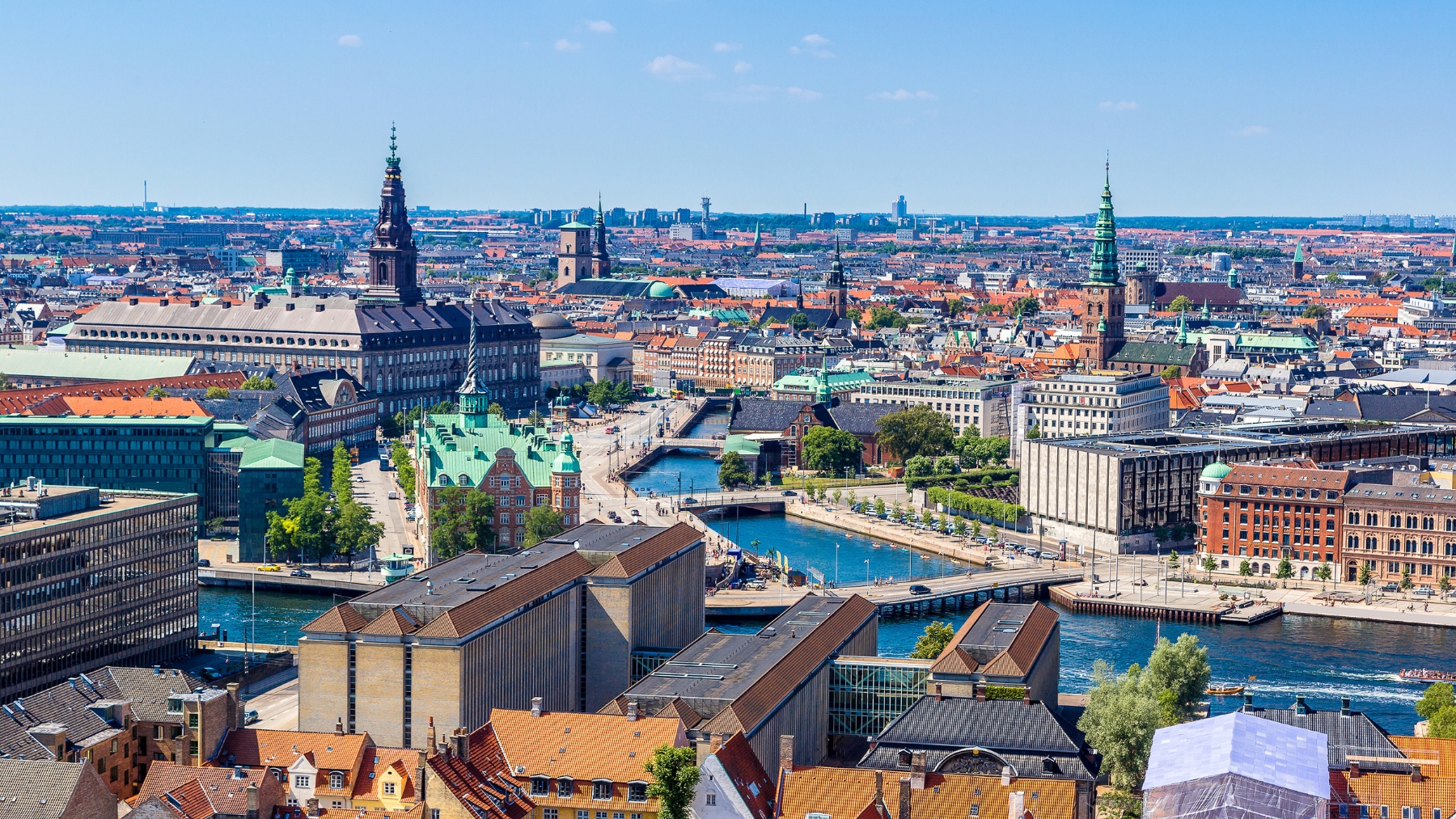
Set on Denmark’s east coast on the Jutland peninsula, Aarhus offers a different kind of golf base to the larger Nordic cities. It is smaller and easier to navigate, with the city sitting close to a group of courses that are varied without being spread too widely. Arriving into Aarhus Airport or via Billund, the home of LEGO, slightly further south, you are quickly into the region, and from there, most of the golf sits within a straightforward drive in different directions.
The landscape here is softer than in Norway and less dense than around Stockholm, with open countryside, gentle movement in the terrain, and a coastline that begins to influence the character of some of the courses. That gives the golf a different feel again, sitting somewhere between inland parkland and more exposed coastal layouts, without being defined by either.
As a golf base, Aarhus is shaped by that balance. The courses are close enough to combine easily, but varied enough to feel distinct, and the city itself sits lightly alongside the golf rather than competing with it. It is the kind of place where the structure of a trip becomes clear quite quickly, without needing to overthink how it will come together.
The Golf Around Aarhus
The golf around Aarhus is more spread out than it first appears, with the strongest courses sitting both close to the city and further west around Silkeborg. What makes the region work is the contrast between them. You are not playing variations of the same parkland course, but moving between different types of terrain and different styles of layout within a manageable distance.
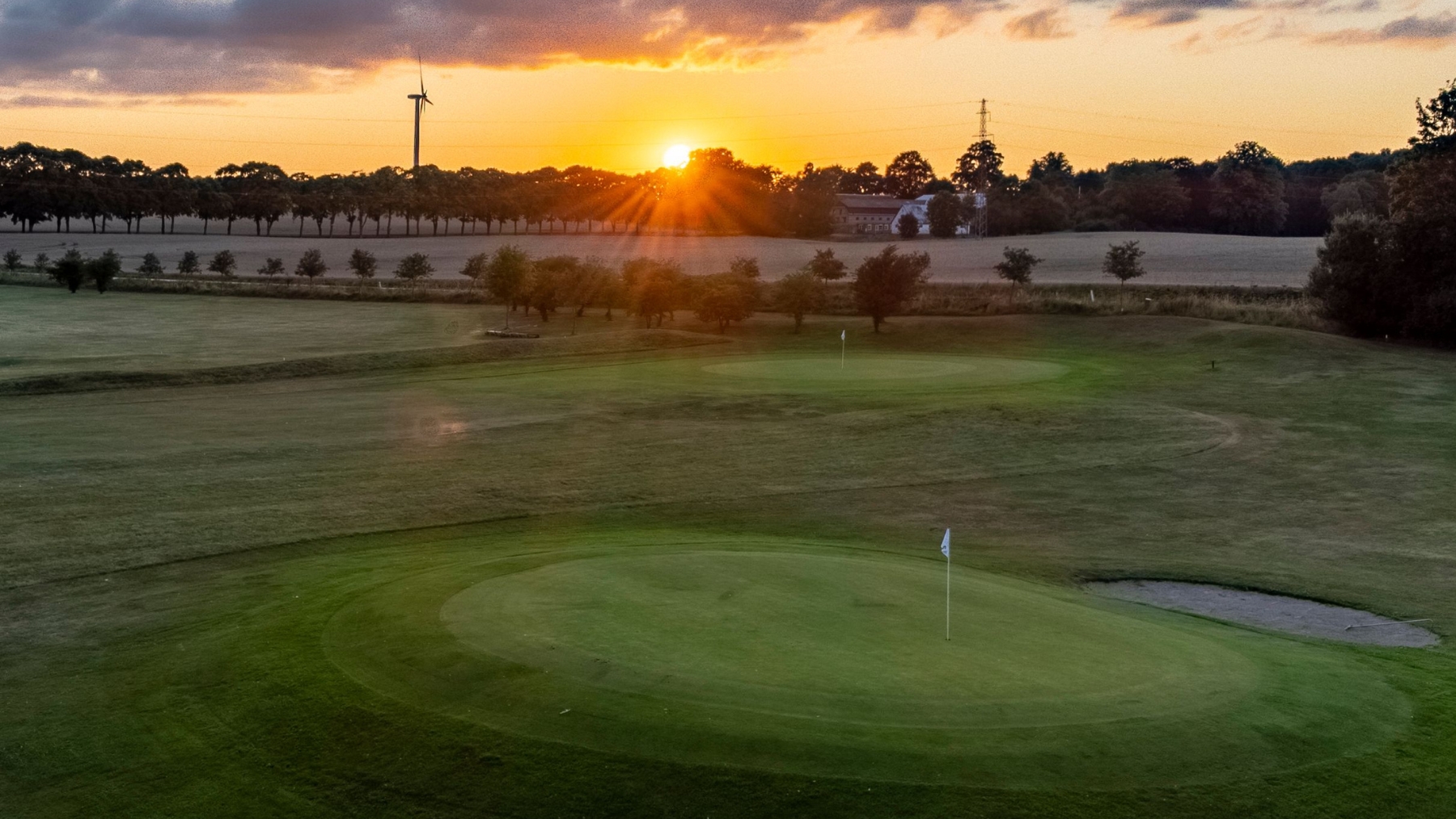
To the west of the city, Lyngbygaard Golf is a modern parkland course set across open, undulating farmland. The fairways are relatively generous, but the shaping of the holes asks you to think about position rather than simply hitting driver. Greens are well protected, often slightly raised, and approach play becomes the defining part of the round. It is playable without being forgiving, and works well early in a trip as a course that lets you settle into the rhythm of the golf.
Closer to the city, Aarhus Golf Club offers a more traditional, tree-lined parkland layout. The routing moves through tighter corridors, and the emphasis shifts much more clearly onto accuracy from the tee. Miss in the wrong place and recovery becomes difficult, particularly on the longer holes. It is a more controlled round than Lyngbygaard, and the contrast between the two is immediate despite the short distance between them.
Further west, around an hour from Aarhus, Silkeborg Ry Golf Club is one of the highest-ranked courses in Denmark and the strongest round in the area. Set across a mix of forest and heathland, the terrain is more dramatic, with holes that rise and fall through the landscape rather than sitting across it. The variety here is noticeable, with longer holes demanding committed tee shots and shorter ones relying more on placement. It feels more complete as a test of all parts of the game, and it is the course most likely to stand out over the course of a trip.
Nearby, Silkeborg Golf Club provides a slightly different inland challenge. The course is routed through dense forest, with narrower playing corridors and a stronger emphasis on shaping the ball both from the tee and into the greens. Elevation changes are more subtle but still influential, particularly on approach shots where club selection becomes important. It is less expansive than Ry, but more exacting in the way it asks you to play.
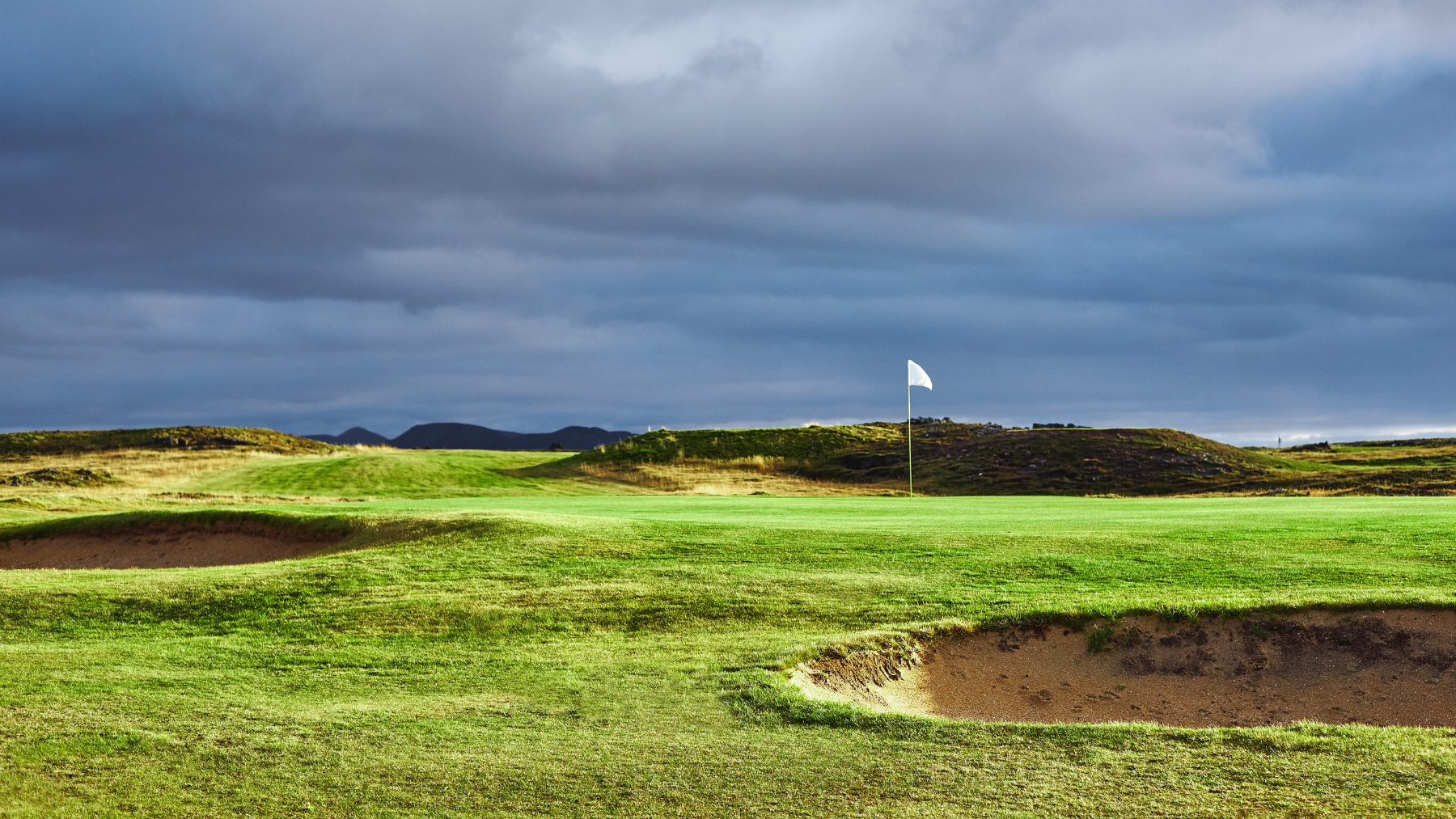
To the south-east of Aarhus, Stensballegaard Golf Club introduces a more exposed, coastal-influenced layout. The land is more open, with less protection from the wind, and conditions can change the character of the course significantly from one day to the next. Fairways are wider in places, but that exposure places a greater emphasis on controlling ball flight. It is a different test again, and one that rounds out the variety across the region.
Taken together, these courses give a clear picture of golf in this part of Denmark, but they also show just how strong the region is. With multiple layouts consistently ranked among the best in the country, this is not simply a convenient cluster of courses around a city, but one of the most reliable areas for high-quality golf in Denmark. The variety is real, the standard is consistently high, and the combination of courses means you can build a trip here that feels both balanced and genuinely worthwhile.
Where To Stay
Where you stay in Aarhus depends on how you want to balance time in the city with access to the surrounding courses, but for most trips, a central base works best. The city is compact and easy to move around, and staying close to the harbour or in the central districts means you can combine early rounds with evenings that feel part of the trip rather than separate from it. Hotels such as Hotel Royal and Comwell Aarhus are well located for this, offering comfortable bases within walking distance of the main areas for food and coffee, while still allowing straightforward access out to the courses.
For those who prefer to lean more towards the golf, there are options just outside the centre that shift the balance slightly. Hotels around the southern edge of the city, closer to courses such as Aarhus Golf Club, reduce travel time on the mornings you are playing, particularly if you are planning back-to-back rounds. It is a more golf-focused setup, but one that can make the structure of a short trip feel simpler.
There is also a middle ground. Staying near the main transport routes or just outside the centre allows you to move easily in different directions depending on where you are playing that day. In practice, distances around Aarhus are manageable, so you are rarely committing too heavily to one approach. For groups or longer stays, apartment rentals through platforms such as Airbnb are also widely available, particularly in the central districts. The choice here is less about necessity and more about preference, with most options working comfortably within the structure of a short trip.
Out and About in Aarhus
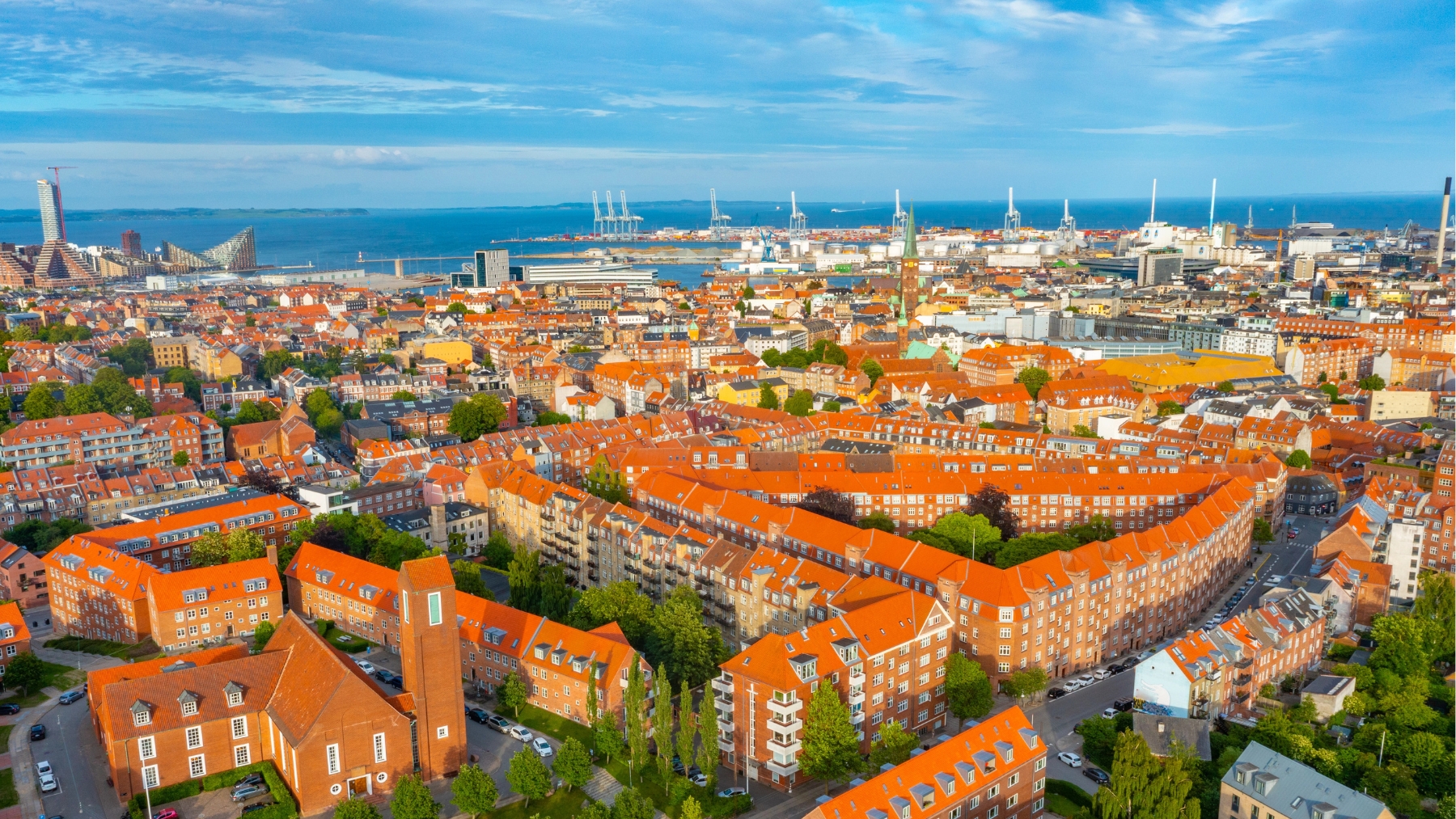
Time in Aarhus between rounds is straightforward and easy to shape. The city is compact, and much of what you are likely to do sits within a short walk of the harbour and the central districts. The waterfront has been steadily developed in recent years, and walking along the docks towards Aarhus Ø gives a clear sense of how the city has expanded, with modern buildings sitting alongside older industrial areas that have been repurposed rather than replaced.
The older part of the city is just as easy to reach. The Latin Quarter, with its smaller streets and independent cafés, is the natural place to spend time after a round, while the area around the main square offers a slightly busier contrast without ever feeling overwhelming. Aarhus is a city that feels lived-in rather than designed for visitors, and that comes through in how you move around it.
Food and coffee tend to anchor the day. Aarhus has a strong reputation for dining relative to its size, with places such as Restaurant Domestic offering something more considered in the evening, while Aarhus Street Food provides a more relaxed option earlier in the day. Coffee is just as much part of the routine, and cafés such as La Cabra or Great Coffee are the kind of places you will find yourself returning to between rounds or after an early start.
If you have time away from the course, ARoS Aarhus Art Museum is worth including. Its rooftop installation, Your Rainbow Panorama, has become one of the defining features of the city, offering a simple but distinctive way to see Aarhus from above. Closer to the water, Den Gamle By, the open-air museum, gives a more historical perspective, while the nearby beaches just outside the centre provide an easy contrast to the time spent on the course. Billund, just over an hour away, is home to the original Legoland and can be included if you have the time.
Trip Logistics
A trip to Aarhus works best over two or three days, with a little more thought given to how the rounds are grouped than in some of the other Nordic cities. The golf is spread between the courses closest to the city and the stronger layouts further west around Silkeborg, and recognising that split early makes the trip feel straightforward once you are there. If you are arriving via Aarhus Airport or through Billund, an afternoon round on the day of arrival is realistic, particularly at one of the courses nearest to the city such as Lyngbygaard or Aarhus Golf Club. Both are easy to reach and allow you to settle into the trip without immediately committing to a longer drive.
The second day is where the structure of the trip becomes clearer. Heading west towards Silkeborg brings you to the strongest concentration of courses in the region, and this is where it makes sense to focus your time. Playing either Silkeborg Ry or Silkeborg Golf Club provides the standout round, and if you are inclined, this is also the day where a second round is genuinely achievable, with the courses close enough to combine without feeling rushed. Treating this as a dedicated golf day works better than trying to move back and forth between the city, and it allows you to experience that part of the region properly.
If you have a third day, it is best used to return closer to Aarhus or to head south-east towards Stensballegaard, giving you a different style of course to finish, particularly if you have already played the more sheltered inland layouts. From there, it is straightforward to return towards the city or continue on towards Billund if that is your departure point. With that simple structure in place, the trip settles into something that feels easy to manage, with enough movement to experience the variety of golf in the area without ever becoming complicated.
Final Thoughts
In the end, Aarhus is not a destination that tries to do too much. It does not rely on standout names or a single defining course, but instead offers a group of layouts that work well together within a compact and manageable area. The golf is varied without being extreme, the distances are easy, and the city provides just enough around it to support the trip without becoming the focus. What sets Aarhus apart is how straightforward it is to shape into something that works. You are not dealing with long transfers or complex planning, and that simplicity allows the trip to settle quickly into a rhythm of golf, food, and time in the city. For those looking for a short break that feels balanced and easy to manage, it is a destination that delivers quietly, without needing to be overstated.