Introducing Copenhagen
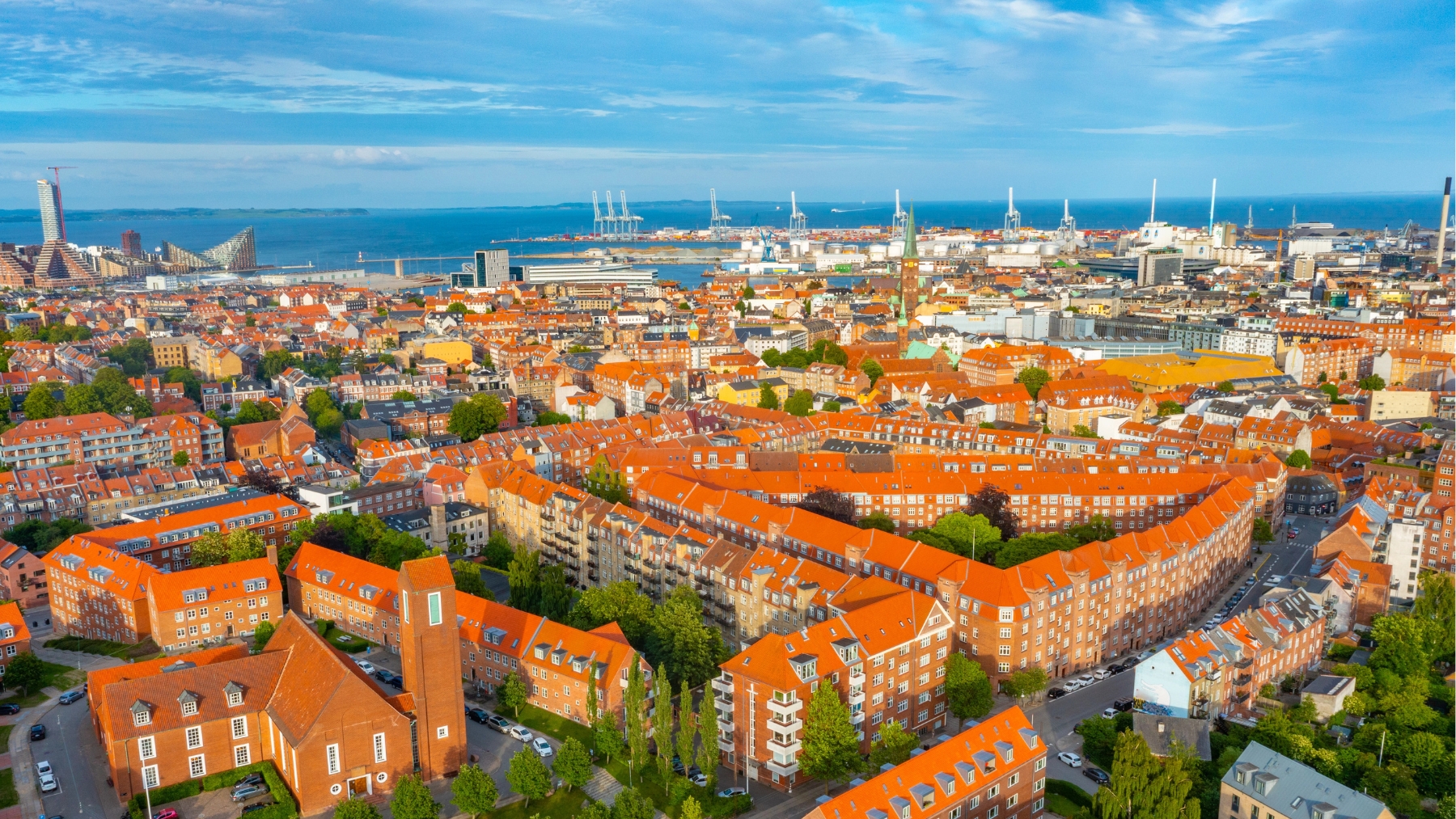
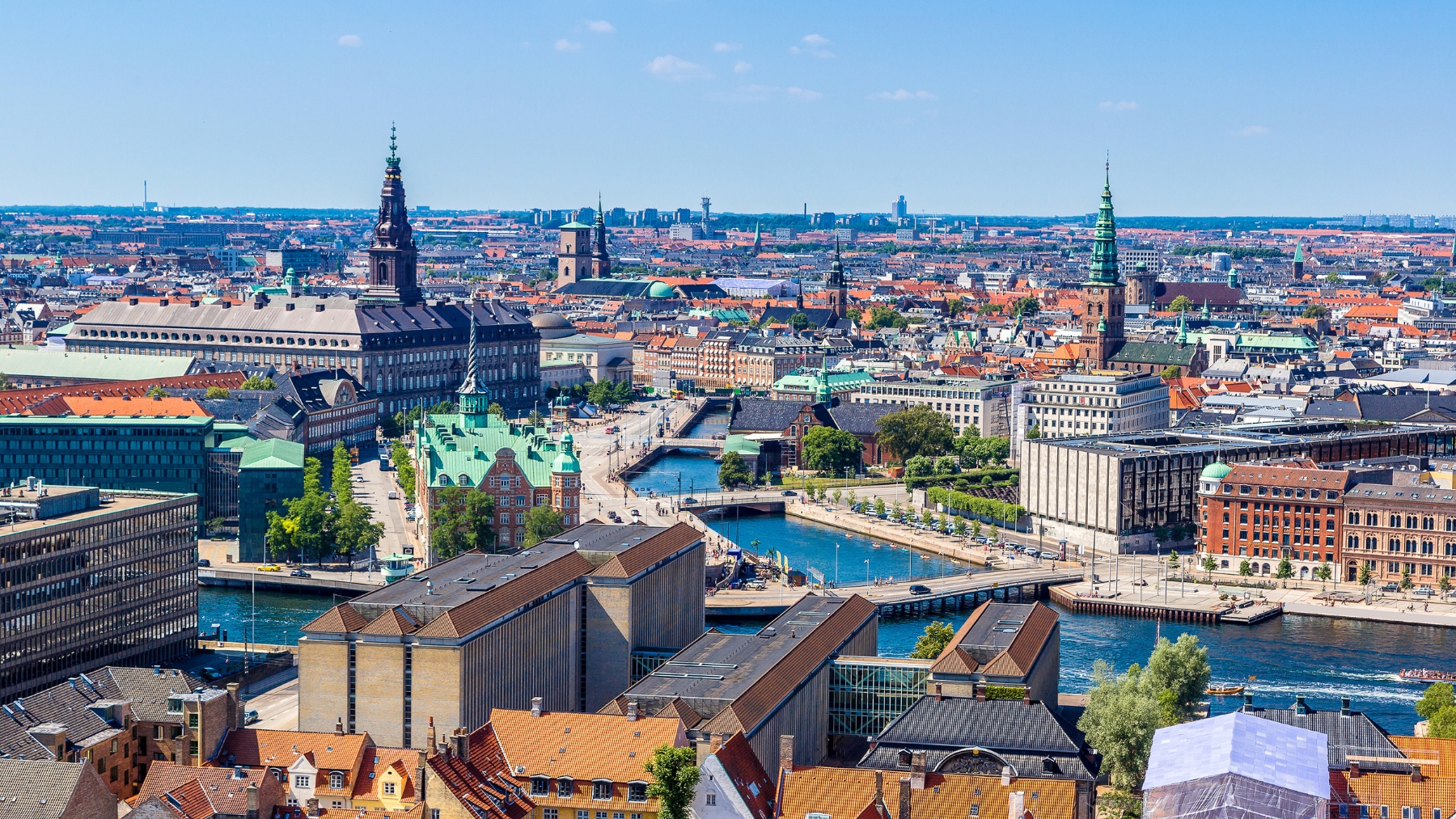
Copenhagen (København), set on the Øresund Strait at the mouth of the Baltic Sea, is a city with over a thousand years of history, growing from its Viking origins into a modern, cosmopolitan European capital. It has developed as the seat of Danish royalty and the centre of one of Europe’s oldest continuous kingdoms, with periods of global significance through the Renaissance and into the Danish Golden Age of the early nineteenth century. However, from the moment you arrive in the city, you will realise that you are now into one of Europe’s most vibrant and exciting cities and not a city that just trades on its past. With one of the best, and typically Nordic public transport systems in the world, getting around Copenhagen is remarkably easy, and with its modern, flowing road network, driving out of the city is equally simple.
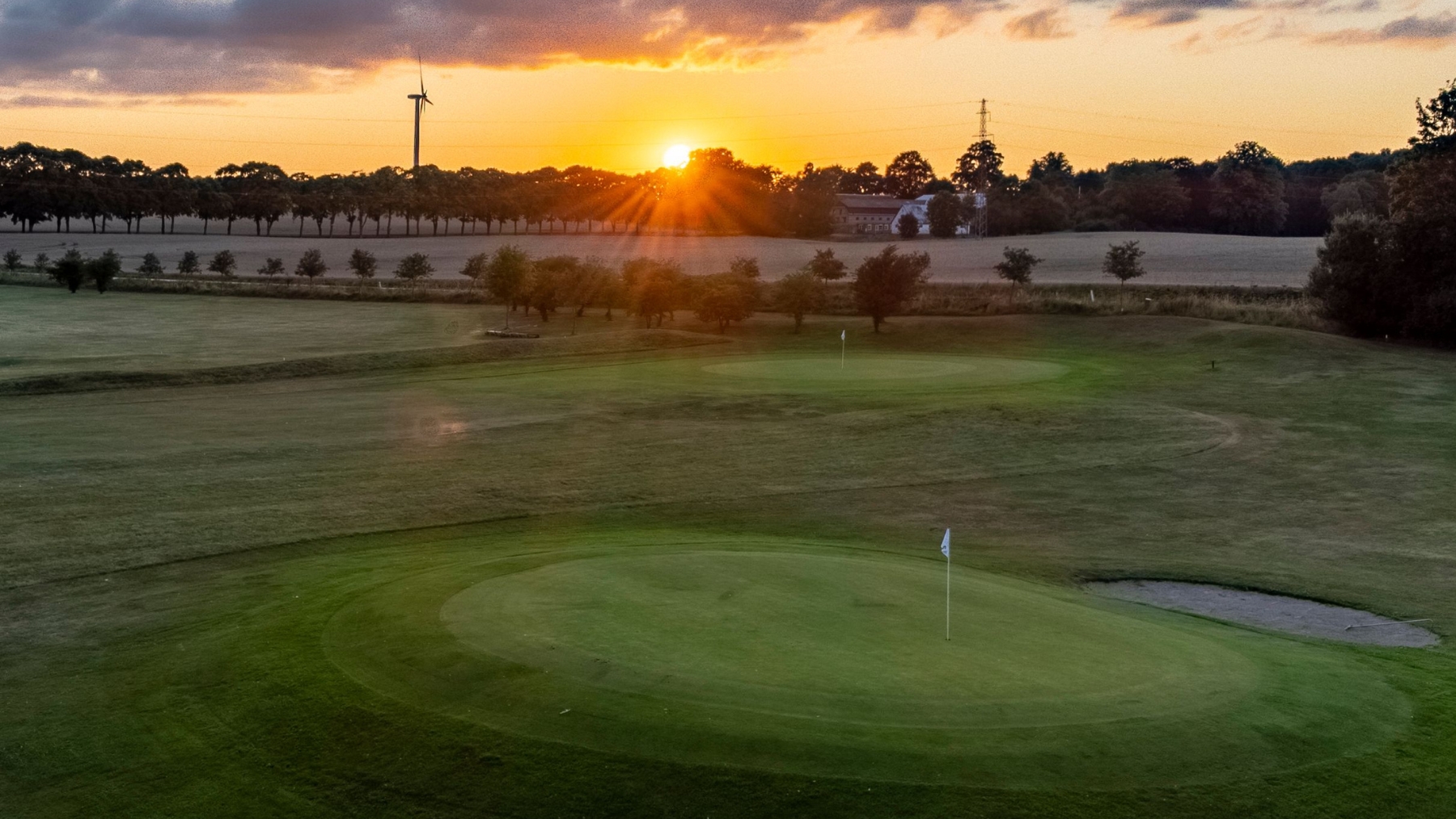
As a base for golf, Copenhagen works like a dream. Whether you have arrived via the well connected International Airport, which is now a major hub for all the Nordic countries, or having driven across the Øresund Bridge from southern Sweden, you are arriving into a city that lies within an area that is home to a rich variety of many outstanding golf courses. The challenge for this article was actually not which courses to include to give an accurate flavour of the Copenhagen golf scene, but which ones to leave out.
The Golf Around Copenhagen
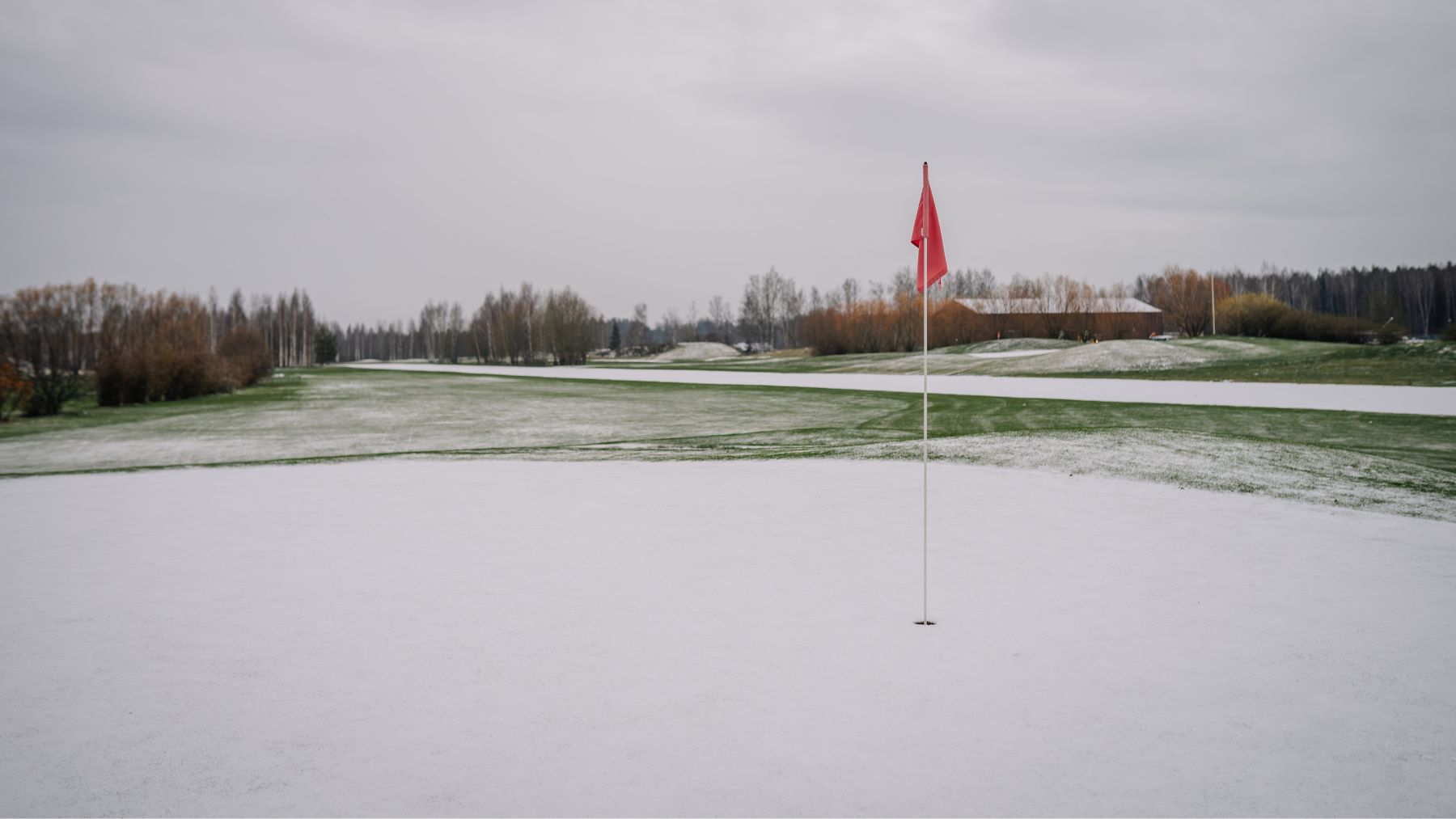
The golf around Copenhagen is not built on volume, but on a group of courses that offer different tests within a relatively tight area. You are not dealing with long transfers or having to compromise to make a trip work. Instead, you have a selection of layouts that can be combined easily, each bringing a slightly different emphasis in how they play. That variety is what defines the area. You can play multiple rounds here without feeling like you are seeing the same course repeatedly, and that is where Copenhagen works best as a base.
At the centre of that sits The Scandinavian Golf Club. With two courses set across a large, expansive property, it provides both scale and structure, but the challenge is defined more by positioning than by difficulty alone. It is also a genuinely premium experience, from arrival through to the quality of the conditioning and overall presentation. The Old Course is the more controlled of the two. From the tee, it offers width, but angles matter. Being on the correct side of the fairway consistently opens up better approaches into greens that rely on subtle movement rather than heavy contouring. It is a course that builds gradually, asking for discipline rather than forcing decisions early. The New Course is more direct. Lines are clearer, shaping is stronger, and you are asked to commit earlier, particularly from the tee where the preferred line is often obvious but not always comfortable. The greens are more assertive, placing greater emphasis on controlling distance and trajectory into the surface. Together, the two courses create a balanced test, with one rewarding patience and the other demanding commitment.
Closer to the city, Royal Golf Club Copenhagen offers a different type of round. Set within a flatter, more open landscape, the emphasis shifts towards control and execution. It is a high-quality experience, but one that is more contained and deliberate in how it presents itself. From the tee, positioning is key, with water and shaping influencing how aggressive you can be. It is not a course that allows you to recover easily from poor decisions, particularly on approach shots where the margins are tighter than they first appear. The greens are consistent in pace and structure, rewarding accuracy over creativity. It is a more controlled test, and one that contrasts well with the scale of The Scandinavian.
To the west, Smørum Golfklub adds depth and variation. With four 9-hole loops, the course allows for multiple combinations, but the defining feature is the consistency across them. There is no drop-off in quality, and whichever routing you play, the character remains intact. Holes move through gently undulating terrain, with tree lines shaping the visual rather than dictating play. From the tee, you are rarely forced into a single option, but the best approach into each green comes from thoughtful positioning. It is a course that rewards building the hole properly, where control and placement matter more than distance. Alongside the main layout, there is also one of the best additional par-3 courses in Denmark on site, adding another layer to what is already a well-rounded golf offering. It is a course that requires genuine course management to really flourish.
Further out, Simon’s Golf Club brings a more modern, structured approach. With 27 holes, it offers flexibility in how rounds are put together, but maintains a consistent standard throughout. It was also the first Danish course to host a European Tour event, which reflects the quality of the layout. From the tee, the design is clear, with defined landing areas and a rhythm that is easy to follow. It is a course that asks for commitment rather than recovery. Miss in the wrong place and the next shot becomes significantly more difficult, particularly around the greens where positioning is critical. The conditioning is consistently strong, reinforcing the clarity of the design across all three loops.
Ledreborg Palace Golf offers a different feel again. Set across more varied ground, the routing introduces subtle elevation changes and a greater sense of movement through the round. From the tee, you are often asked to shape shots or work the ball into position, particularly on holes where the terrain influences the ideal line. The greens are more varied in structure, placing a greater emphasis on approach play and short game control. It is a course that feels less uniform than the others, and that variation is what gives it its place within the group.
Taken together, these courses define golf around Copenhagen. There is no single dominant style, but rather a collection of layouts that complement each other. Each course asks slightly different questions, and all sit within easy reach of the city, allowing you to build a trip that feels varied without becoming complicated.
Where To Stay
Where you choose to stay in Copenhagen will shape the feel of the trip more than anything else, but for most, a central base works best. The city is compact, easy to move through, and staying in the centre allows you to combine early rounds with evenings that feel like part of the experience rather than something separate. Hotels such as Hotel d'Angleterre and Nobis Hotel Copenhagen sit firmly at the higher end, offering a level of quality and attention to detail that matches the city itself. They are well positioned, comfortable without being overbearing, and provide a base that feels considered rather than purely functional.
For something slightly more understated, but still high quality, options like Hotel SP34 or 71 Nyhavn Hotel offer a different balance. Both place you within easy reach of the main areas of the city, while maintaining a more relaxed feel. They work particularly well if you want to be central without leaning fully into the higher price point, and still give you the sense that where you are staying is part of the trip.
If the focus is more on value, Copenhagen still offers strong options without needing to compromise too much on location or quality. Hotels such as Wakeup Copenhagen Borgergade and Ibsens Hotel provide simpler setups, but remain clean, well run, and well placed for getting both into the city and out towards the courses. They are practical choices, but they don’t detract from the overall experience, which is the key.
For groups, longer stays, or those looking for a little more flexibility, apartment rentals through platforms like Airbnb are widely available across the city. Staying in neighbourhoods such as Vesterbro, Nørrebro or Østerbro allows you to experience a slightly different side of Copenhagen, while still remaining close enough to the centre to move in and out easily. It is often a more relaxed way to structure the trip, particularly if you are balancing golf with time in the city.
There is also the option to stay slightly outside the centre, particularly if you want quicker access to certain courses. Areas to the north and west of the city bring you closer to places like The Scandinavian or Smørum, and can make early starts feel easier. It shifts the balance slightly towards the golf, but in a city as accessible as Copenhagen, you are never too far from the centre when you want to return to it.
As with much of Copenhagen, there is no single correct choice. The strength lies in how easily the different options work together, allowing you to shape the trip around how you want it to feel rather than being forced into one approach.
Out and About in Copenhagen
Time in Copenhagen between rounds is easy to fill without needing to plan it too tightly. The city is compact and well connected, and most of what you end up doing tends to sit naturally around the day rather than needing to be scheduled into it.
Much of that naturally centres on the water. Walking the harbour front, particularly around Nyhavn and out towards the waterfront paths, gives you a sense of the city quickly. It is open, calm, and never feels crowded in the way other capitals can. If you want to see more of it, the harbour boats and canal tours are worth doing once. They give you a clear sense of how the city is laid out and how the different areas connect.
Away from the water, Copenhagen has enough cultural weight to justify stepping away from the golf for a few hours. The Ny Carlsberg Glyptotek is one of the more worthwhile stops, not just for the collection itself, but for the space it sits in. Similarly, the National Museum of Denmark gives a clearer sense of the country’s history, from its early foundations through to the modern day. If you want something more informal, walking through areas like Vesterbro or Nørrebro gives you a better feel for how the city actually lives, away from the more obvious central streets.
Food and coffee naturally sit at the centre of the day. Copenhagen has built a strong reputation for its food scene, and while the higher-end restaurants are there if you want them, much of the enjoyment comes from simpler places done well. Restaurants like Restaurant Barr or Høst offer a more grounded take on Nordic cooking without the formality that can come with it. Coffee is just as much a part of the rhythm. Stopping for a break between rounds or in the late afternoon is built into how the city works, with places like Coffee Collective or Prolog Coffee Bar the kind of spots you naturally end up returning to.
If you have the time, Tivoli Gardens is worth seeing, particularly in the evening. It sits right in the centre of the city, but feels separate from it once you are inside. It is one of the oldest amusement parks in the world, but it doesn’t feel dated, more something that has been maintained and adapted over time. It is not essential to a golf trip, but it adds another layer to the experience if you want it.
Beyond that, there is no need to overcomplicate things. Copenhagen works best when you keep it simple, letting the golf shape the structure of the trip and using the city to fill the spaces around it.
Trip Logistics
A typical trip to Copenhagen works best over two or three days, although it is just as easy to extend if you want to explore further. If you are arriving via Copenhagen Airport, an afternoon tee time on the day of arrival is realistic, particularly at one of the courses closer to the city. The airport sits just south of the centre, and with the road network flowing well out of the city, you can be on site without needing to build too much time into the day.
Car hire is the most practical way to structure the trip. While public transport within Copenhagen itself is excellent, the courses sit in different directions outside the city, and having your own transport gives you the flexibility to move between them without constraint. It also allows you to shape your tee times properly, particularly if you are trying to play multiple rounds across a short stay. Most major rental providers operate directly from the airport, making pick-up and drop-off straightforward.
The second day is where the trip tends to take shape. An earlier start allows you to play one of the stronger courses in the area, followed by time back in the city in the afternoon and evening. That balance between time on the course and time in Copenhagen is one of the strengths of the destination, and it is worth keeping space in the day rather than trying to overfill it.
If you have a third day, it is worth using it to introduce a different type of course to what you have already played. The variety around Copenhagen allows you to do this without extending travel times significantly, and it helps round out the overall experience before heading back towards the airport.
The logistics here are simple. Distances are manageable, access is easy, and the structure of the trip tends to fall into place without needing too much adjustment once you arrive.
Final Thoughts
Copenhagen is not defined by scale. It does not have the volume of courses of Stockholm, or the standout, remote identity of parts of Norway, but that is not what it is trying to offer. Instead, it provides a balanced, high-quality experience where the golf and the city work together rather than competing for attention.
The courses themselves offer genuine variety, each bringing a different test without feeling disconnected from the others. You are not repeating the same round in different settings, and that gives the trip a sense of progression over a short period of time. Combined with how easy it is to move around, it creates a base that is both flexible and reliable.
For those looking at their first trip to the Nordic region, Copenhagen makes a strong case. It is accessible, easy to understand, and offers enough quality to justify the journey without needing to overcomplicate the plan. For others, it works just as well as part of a wider itinerary, fitting naturally alongside other destinations without demanding too much time on its own.
It is, in the end, a place where everything fits together. The city, the golf, and the overall experience align in a way that feels considered rather than constructed, and that is what makes Copenhagen such a strong and dependable base for golf in the Nordic region.